
Yellowstone National Park is one of the most remarkable places to visit in the United States. Spread across Wyoming, Montana, and Idaho, the park is known for geothermal features, dramatic landscapes, waterfalls, lakes, forests, and abundant wildlife.
From watching Old Faithful erupt to exploring the colorful Grand Prismatic Spring and searching for bison in the Lamar Valley, Yellowstone offers experiences for both first-time visitors and experienced outdoor travelers.
Because the park is enormous, planning your route before arriving can make a major difference. Here are some of the best things to do in Yellowstone National Park.
1. Watch Old Faithful
Old Faithful is one of Yellowstone’s most famous attractions. This geyser regularly sends a column of hot water into the air, making it one of the easiest geothermal features to experience during a visit.
The eruption schedule can be checked through official park information, allowing visitors to plan their day around an expected eruption.
Arrive early if you want a good viewing position, particularly during busy periods.
2. See Grand Prismatic Spring
Grand Prismatic Spring is one of Yellowstone’s most visually striking geothermal features.
Its bright blue center is surrounded by bands of orange, yellow, and green created by heat-loving microorganisms. The colors are particularly impressive from the elevated overlook on the Fairy Falls Trail.
For many visitors, seeing Grand Prismatic Spring is one of the highlights of a Yellowstone trip.
3. Explore the Grand Canyon of the Yellowstone
The Grand Canyon of the Yellowstone is a dramatic canyon carved by the Yellowstone River.
The canyon features colorful cliffs, waterfalls, and several viewpoints. Artist Point is one of the most recognizable locations, offering an impressive view of Lower Falls and the surrounding canyon.
Give yourself enough time to explore several viewpoints because each reveals a different perspective of the landscape.
4. Visit Mammoth Hot Springs
Mammoth Hot Springs is known for its unusual terraces created by geothermal activity.
The mineral-rich water flows across the terraces, creating changing patterns and colors. Boardwalks allow visitors to explore the area while keeping a safe distance from the geothermal features.
The nearby Mammoth area also provides access to visitor services and historic sites.
5. Explore Yellowstone Lake
Yellowstone Lake is one of the largest high-elevation lakes in North America.
The lake’s surrounding mountains and forests create a peaceful contrast to the park’s geothermal areas. Visitors can enjoy scenic viewpoints, walking trails, photography, and other seasonal activities.
The weather around the lake can change quickly, so prepare accordingly.
6. Search for Wildlife in Lamar Valley
Lamar Valley is one of the best-known areas in Yellowstone for wildlife viewing.
Bison, elk, pronghorn, and other animals can often be seen across the valley, while wolves and bears may also be spotted by fortunate visitors.
Early morning and evening are popular times for wildlife viewing. Bring binoculars and always maintain a safe distance from animals.
7. Drive Through Hayden Valley
Hayden Valley is another excellent area for wildlife viewing and scenic landscapes.
The Yellowstone River passes through the valley, creating open habitats where bison, elk, and other wildlife can be found.
Driving slowly and stopping at designated areas can increase your chances of spotting animals without disturbing them.
8. Walk Along Yellowstone’s Boardwalks
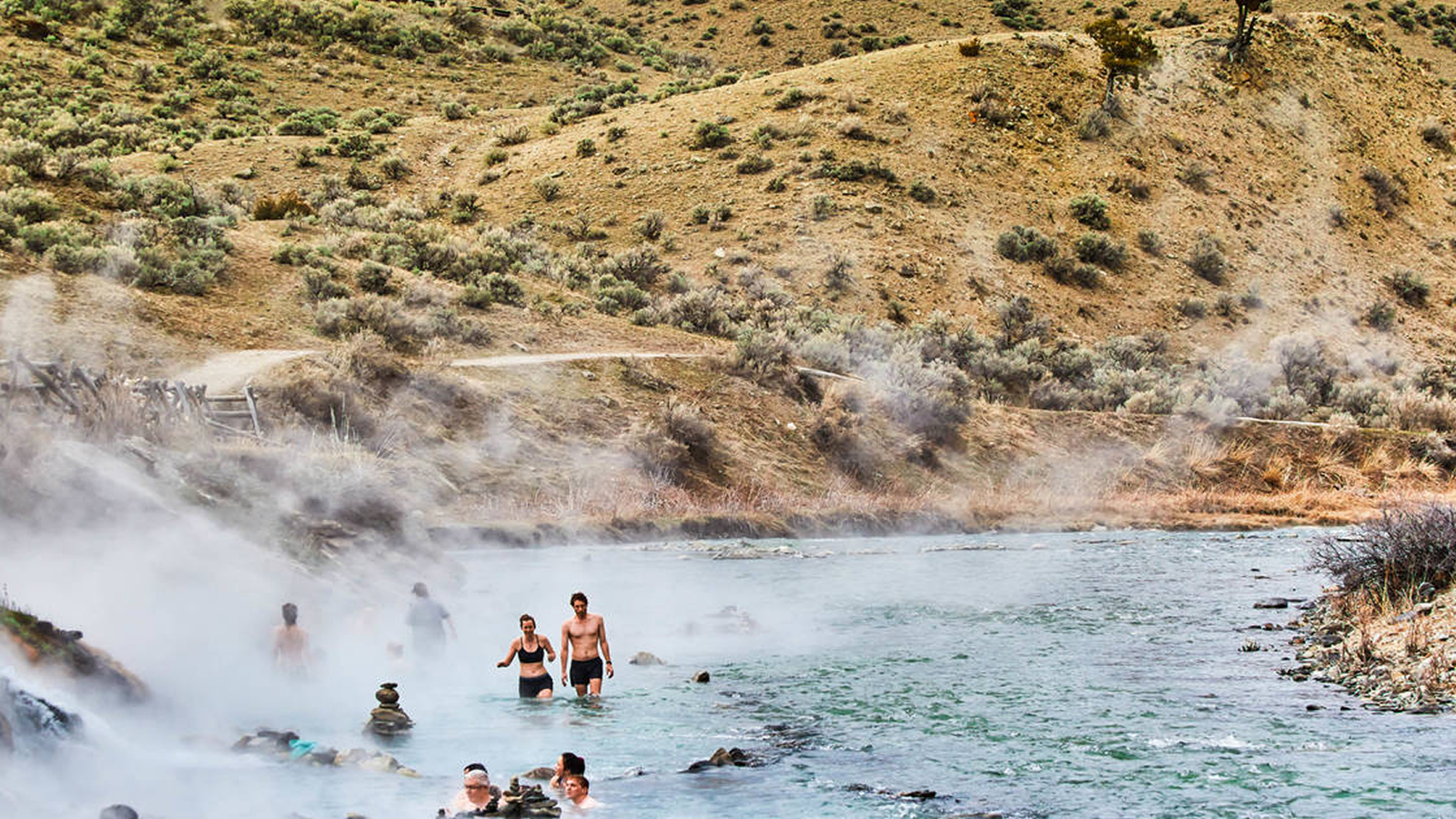
Yellowstone contains numerous geothermal areas that can be explored through designated boardwalks and trails.
Places such as Norris Geyser Basin and the Upper Geyser Basin allow visitors to see geysers, hot springs, pools, and other geothermal formations up close.
Always remain on designated paths. The ground around geothermal features can be unstable and extremely dangerous.
9. Visit Norris Geyser Basin
Norris Geyser Basin is one of Yellowstone’s most active geothermal areas.
The basin contains several trails that pass through colorful hot springs, steaming vents, and geysers. The landscape changes constantly as geothermal activity alters the surrounding environment.
It is a fascinating area for travelers interested in geology and natural processes.
10. Explore the Upper Geyser Basin
The Upper Geyser Basin contains one of the world’s largest concentrations of geysers.
Old Faithful is located here, but there are many other geothermal features to explore. Walking along the basin’s trails can reveal geysers, hot springs, and colorful pools that are less famous but equally fascinating.
Allow several hours if you want to explore the area thoroughly.
11. Visit Tower Fall
Tower Fall is a scenic waterfall located in the northern part of Yellowstone.
The waterfall drops through a narrow canyon surrounded by unusual rock formations and forested landscapes.
The area is a worthwhile stop when exploring the northern section of the park, particularly when traveling between major attractions.
12. Take a Scenic Drive
Yellowstone is best explored at a slower pace because the park’s attractions are spread across a huge area.
The Grand Loop Road connects many of the major regions, allowing visitors to create routes around geothermal areas, lakes, waterfalls, and wildlife habitats.
Plan additional time for traffic, wildlife crossings, road construction, and stops at viewpoints.
13. Go Hiking
Yellowstone offers hiking opportunities ranging from short boardwalk walks to longer backcountry routes.
Popular areas include trails around Yellowstone Lake, the Grand Canyon, geyser basins, and mountain landscapes.
Choose a trail based on your experience and current conditions. Carry enough water, wear appropriate footwear, and check trail information before setting out.
14. Photograph Yellowstone’s Landscapes
Yellowstone provides endless opportunities for photography.
The combination of mountains, rivers, waterfalls, wildlife, forests, and geothermal features creates a wide variety of scenes.
Early morning and late afternoon can provide softer light and fewer crowds. When photographing wildlife, use a zoom lens rather than approaching animals.
15. Experience Yellowstone After Dark
Yellowstone’s remote location makes it an excellent place for observing the night sky.
On clear nights, visitors can see stars far more clearly than in many urban areas. The experience can be especially memorable after spending a day exploring the park’s landscapes.
If you venture out after dark, stay in safe areas and carry appropriate lighting.
How Many Days Do You Need in Yellowstone?
Yellowstone is too large to experience properly in a single day.
A three-day trip can cover several major areas, including Old Faithful, Grand Prismatic Spring, Yellowstone Lake, the Grand Canyon of the Yellowstone, and some wildlife areas.
A four- to five-day trip gives you more flexibility and allows time for hiking, wildlife watching, scenic drives, and unexpected stops.
If you are combining Yellowstone with Grand Teton National Park, consider allowing additional time for both parks.
Best Time to Visit Yellowstone
The best time depends on what you want to experience.
Summer is the busiest season because most roads, facilities, and attractions are accessible. It is also a popular period for hiking and wildlife viewing.
Spring and fall can provide fewer visitors and excellent opportunities for wildlife observation, although some services and roads may have seasonal limitations.
Winter transforms Yellowstone into a very different landscape. Snow, cold temperatures, and seasonal road closures mean that winter visitors need to plan carefully.
Always check current park conditions before traveling.
Yellowstone Travel Tips
Yellowstone requires more planning than a typical city destination.
Start each day early, especially during the busy summer season. Distances between attractions can be much greater than they appear on a map, and wildlife sightings can unexpectedly slow traffic.
Carry water and snacks, wear comfortable walking shoes, and bring layers because weather conditions can change quickly.
Most importantly, stay on designated trails and boardwalks and keep a safe distance from wildlife.
Final Thoughts
Yellowstone National Park offers an extraordinary combination of geothermal activity, wildlife, mountains, lakes, forests, and waterfalls.
From the famous eruption of Old Faithful and the colors of Grand Prismatic Spring to the wildlife of Lamar Valley and the dramatic Grand Canyon of the Yellowstone, there is enough to keep visitors exploring for several days.
The best way to experience Yellowstone is to avoid rushing from one attraction to another. Plan your route, leave room for unexpected wildlife sightings and scenic stops, and give yourself enough time to appreciate the park’s enormous landscapes.