
Tokyo is one of the world’s most exciting cities, but choosing where to stay can be surprisingly difficult. The city is enormous, and each neighborhood offers a completely different atmosphere.
Some areas are ideal for first-time visitors who want easy access to major attractions. Others are better for nightlife, shopping, food, families, luxury hotels, or a quieter local experience.
This guide covers the best areas to stay in Tokyo, what each neighborhood is known for, and which type of traveler it suits best.
Tokyo at a Glance
Best for first-time visitors: Shinjuku, Shibuya, Tokyo Station
Best for nightlife: Shinjuku, Shibuya
Best for food: Ginza, Shinjuku, Ueno
Best for families: Asakusa, Ueno
Best for luxury: Ginza, Tokyo Station
Best for traditional Tokyo: Asakusa
Best for shopping: Ginza, Shibuya, Harajuku
Best for a quieter stay: Ebisu, Ueno
Tokyo’s excellent public transportation means you don’t necessarily need to stay directly beside every attraction. A hotel near a convenient train or subway station can make a major difference to your trip.
1. Shinjuku
Best for: First-time visitors, nightlife, transportation, city views
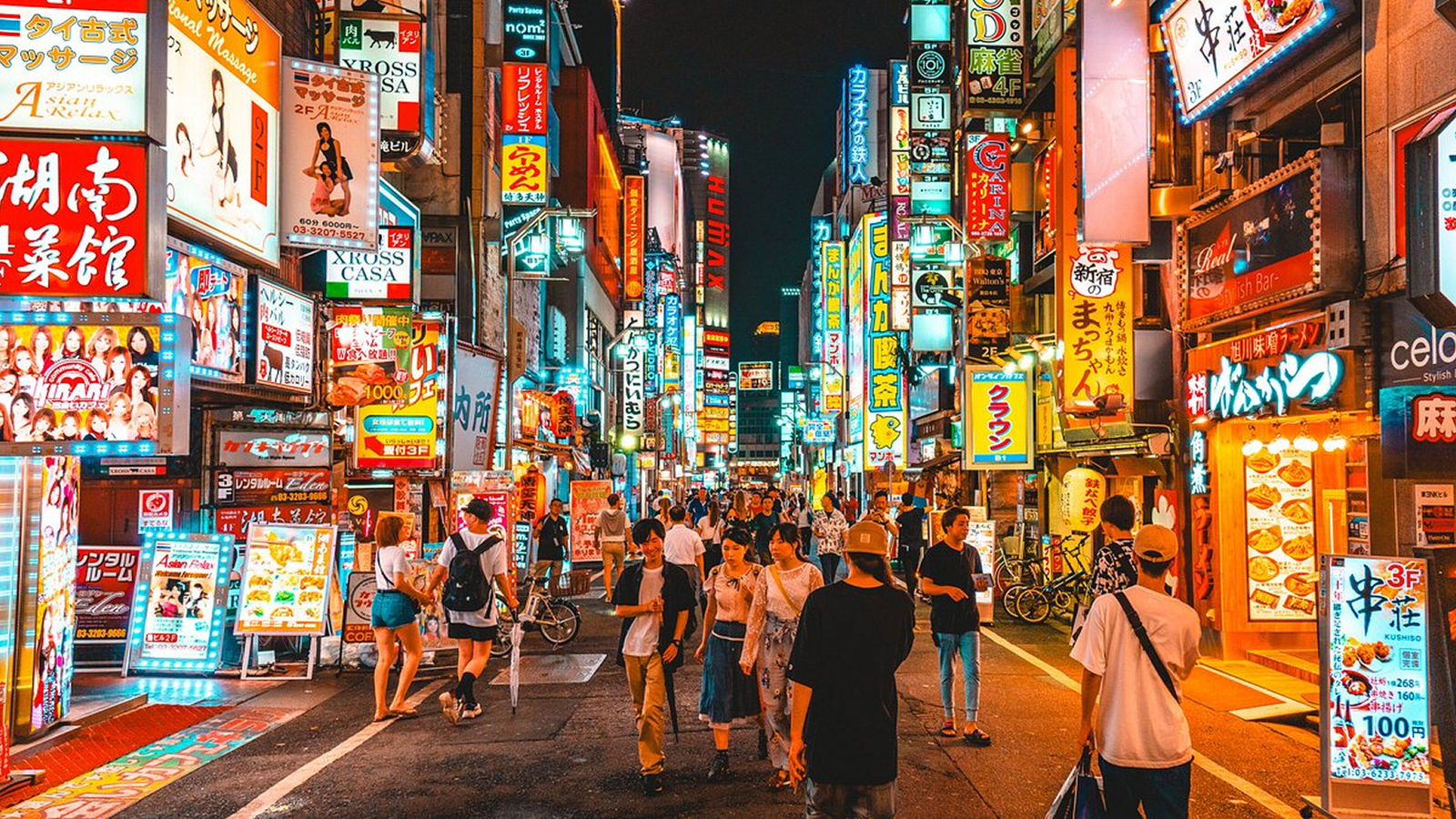
Shinjuku is one of the most convenient areas to stay in Tokyo.
The neighborhood combines skyscrapers, department stores, restaurants, entertainment venues, bars, and some of the city’s busiest railway connections.
For first-time visitors, Shinjuku offers a useful combination of convenience and things to do.
Things to do in Shinjuku
- Explore Kabukicho
- Visit Shinjuku Gyoen National Garden
- Explore department stores
- Enjoy Tokyo’s nightlife
- Visit observation decks
- Try local restaurants
Shinjuku Station is one of the busiest transportation hubs in the world, making the area particularly useful if you plan to take day trips outside central Tokyo.
2. Shibuya
Best for: Young travelers, shopping, nightlife, modern Tokyo
Shibuya is one of Tokyo’s most recognizable neighborhoods.
The famous Shibuya Crossing represents the energetic side of modern Tokyo, but there is much more to the area than the crossing itself.
You can spend hours exploring fashion stores, cafés, restaurants, entertainment venues, and smaller streets.
Don’t miss
- Shibuya Crossing
- Hachikō Statue
- Shibuya Sky
- Center-gai
- Miyashita Park
- Local cafés and restaurants
Shibuya is a particularly good choice if you want to experience Tokyo’s modern culture and nightlife.
3. Asakusa
Best for: Traditional atmosphere, families, culture
If you want to experience a more traditional side of Tokyo, consider staying in Asakusa.
The neighborhood is home to Sensō-ji, one of Tokyo’s best-known Buddhist temples.
The streets around the temple have traditional shops, food stalls, restaurants, and small souvenir stores.
Things to do
- Visit Sensō-ji
- Explore Nakamise-dori
- Walk along the Sumida River
- Visit Tokyo Skytree
- Try traditional Japanese food
- Explore the old streets
Asakusa can also be a comfortable option for families because the atmosphere is generally more relaxed than areas such as Shibuya or Shinjuku.
4. Ginza
Best for: Luxury, shopping, fine dining
Ginza is one of Tokyo’s most prestigious shopping and dining districts.
The area is known for luxury brands, department stores, sophisticated restaurants, galleries, and high-end hotels.
Why stay in Ginza?
- Excellent shopping
- Luxury hotels
- Fine dining
- Central location
- Convenient transportation
- Easy access to Tokyo Station
Ginza is particularly appealing if you want a more refined hotel experience and don’t mind paying more for location and accommodation.
5. Tokyo Station and Marunouchi
Best for: Business travelers, luxury, transportation, first-time visitors
The Tokyo Station area combines historic architecture with modern skyscrapers, offices, restaurants, and shopping.
It is also one of the most convenient places to stay if you plan to travel around Japan by train.
Tokyo Station provides access to the country’s extensive high-speed rail network.
Nearby attractions
- Tokyo Station
- Imperial Palace
- Marunouchi
- Nihonbashi
- Ginza
For travelers planning day trips to places such as Kyoto, Osaka, or other destinations, staying near Tokyo Station can reduce transportation hassle.
6. Ueno
Best for: Budget-conscious travelers, museums, families
Ueno offers a different atmosphere from the skyscraper-heavy neighborhoods of Shinjuku and Shibuya.
The area is known for its park, museums, markets, and convenient transportation.
Things to explore
- Ueno Park
- Tokyo National Museum
- Ameya-Yokochō
- Ueno Zoo
- Local restaurants
Ueno can also be a useful base for travelers arriving through Narita Airport, depending on their transportation plans.
7. Harajuku
Best for: Fashion, youth culture, shopping
Harajuku is famous for its fashion culture and youthful atmosphere.
The neighborhood is centered around Takeshita Street, but visitors should also explore the quieter streets surrounding the main shopping area.
Nearby Meiji Jingu provides a completely different atmosphere, with forested grounds surrounding one of Tokyo’s major Shinto shrines.
Things to do
- Explore Takeshita Street
- Visit Meiji Jingu
- Walk through Yoyogi Park
- Explore Omotesando
- Visit independent fashion stores
Harajuku is a good choice for travelers interested in Tokyo’s fashion and creative culture.
8. Akihabara
Best for: Anime, gaming, electronics
Akihabara is famous worldwide for its connection to anime, manga, gaming, electronics, and Japanese pop culture.
The neighborhood is filled with specialty stores, arcades, cafés, and entertainment venues.
Stay here if you enjoy
- Anime
- Manga
- Gaming
- Electronics
- Japanese pop culture
Akihabara can be an especially fun choice for travelers who want to dedicate several days to exploring this side of Tokyo.
9. Ebisu
Best for: Couples, restaurants, quieter nightlife
Ebisu offers a more relaxed atmosphere while remaining well connected to central Tokyo.
The neighborhood is known for restaurants, bars, cafés, and evening dining.
It’s a good alternative for travelers who want access to Tokyo’s nightlife without staying directly in the busiest parts of Shinjuku or Shibuya.
10. Odaiba
Best for: Families, waterfront views, modern architecture
Odaiba is a futuristic waterfront district built around Tokyo Bay.
The area features wide public spaces, shopping centers, entertainment attractions, and impressive views of Tokyo’s skyline.
Things to do
- Walk along the waterfront
- Visit teamLab experiences
- Explore shopping centers
- See Rainbow Bridge
- Enjoy Tokyo Bay views
Odaiba is farther from many of Tokyo’s historic neighborhoods, so consider your daily itinerary before choosing it as your base.
Which Area Should You Choose?
Your ideal neighborhood depends on the type of Tokyo trip you’re planning.
| Neighborhood | Best For |
|---|---|
| Shinjuku | First-time visitors & nightlife |
| Shibuya | Modern Tokyo & shopping |
| Asakusa | Culture & traditional Tokyo |
| Ginza | Luxury & fine dining |
| Tokyo Station | Transportation & luxury |
| Ueno | Budget & museums |
| Harajuku | Fashion & youth culture |
| Akihabara | Anime & gaming |
| Ebisu | Restaurants & couples |
| Odaiba | Families & waterfront |
Best Area to Stay in Tokyo for First-Time Visitors
If this is your first visit to Tokyo, Shinjuku, Shibuya, or the Tokyo Station area can make a convenient base.
Shinjuku offers an enormous variety of restaurants, entertainment, and transportation connections.
Shibuya is particularly appealing if you want modern Tokyo, shopping, and nightlife.
Tokyo Station is useful if your itinerary includes several day trips or additional destinations elsewhere in Japan.
Best Area for Families
Families may prefer neighborhoods such as Asakusa or Ueno.
Both offer access to parks, museums, cultural attractions, and relatively relaxed sightseeing environments.
Odaiba can also work well for families interested in entertainment and waterfront attractions.
Best Area for Couples
For couples, consider Ginza, Ebisu, Shibuya, or Asakusa depending on the style of trip.
Ginza works well for luxury hotels and fine dining.
Ebisu offers a more relaxed evening atmosphere.
Shibuya is better suited to couples who enjoy shopping, entertainment, and modern city life.
Asakusa provides a more traditional setting.
Best Area for a Budget Stay
Tokyo can be expensive, but you don’t necessarily need to stay in the most expensive central neighborhoods.
Ueno and Asakusa can provide access to central Tokyo while offering a wider range of accommodation options.
When comparing hotels, look beyond the neighborhood name and check how close the property is to a useful train or subway station.
A slightly cheaper hotel far from convenient transportation may not actually save you much time or money.
Tips for Choosing a Tokyo Hotel
Stay near a station
This is one of the most useful rules when booking accommodation in Tokyo.
A hotel within a short walk of a major train or subway station can make sightseeing much easier.
Check the room size
Tokyo hotel rooms can be compact, particularly at lower price points.
Check the room dimensions before booking if space matters to you.
Consider luggage
If you’re traveling with large suitcases, check whether the hotel provides luggage storage and whether the route from the station involves stairs.
Think about your daily itinerary
Choose your neighborhood based on where you’ll spend most of your time.
You don’t need to stay next to every attraction.
Book early during busy periods
Popular hotels can fill quickly during major travel periods.
Final Thoughts
Tokyo doesn’t have one single “best” neighborhood.
The city is made up of distinct areas, each offering a different experience.
Shinjuku is energetic and convenient.
Shibuya represents modern Tokyo.
Asakusa offers a traditional atmosphere.
Ginza is associated with luxury and fine dining.
Ueno provides museums, parks, and practical accommodation options.
Akihabara is ideal for anime and gaming enthusiasts.
For a first visit, focus less on finding the “perfect” neighborhood and more on choosing a hotel that gives you easy transportation, comfortable accommodation, and convenient access to the places you actually want to visit.
That approach can make exploring Tokyo much easier while allowing you to experience several different sides of the city.