

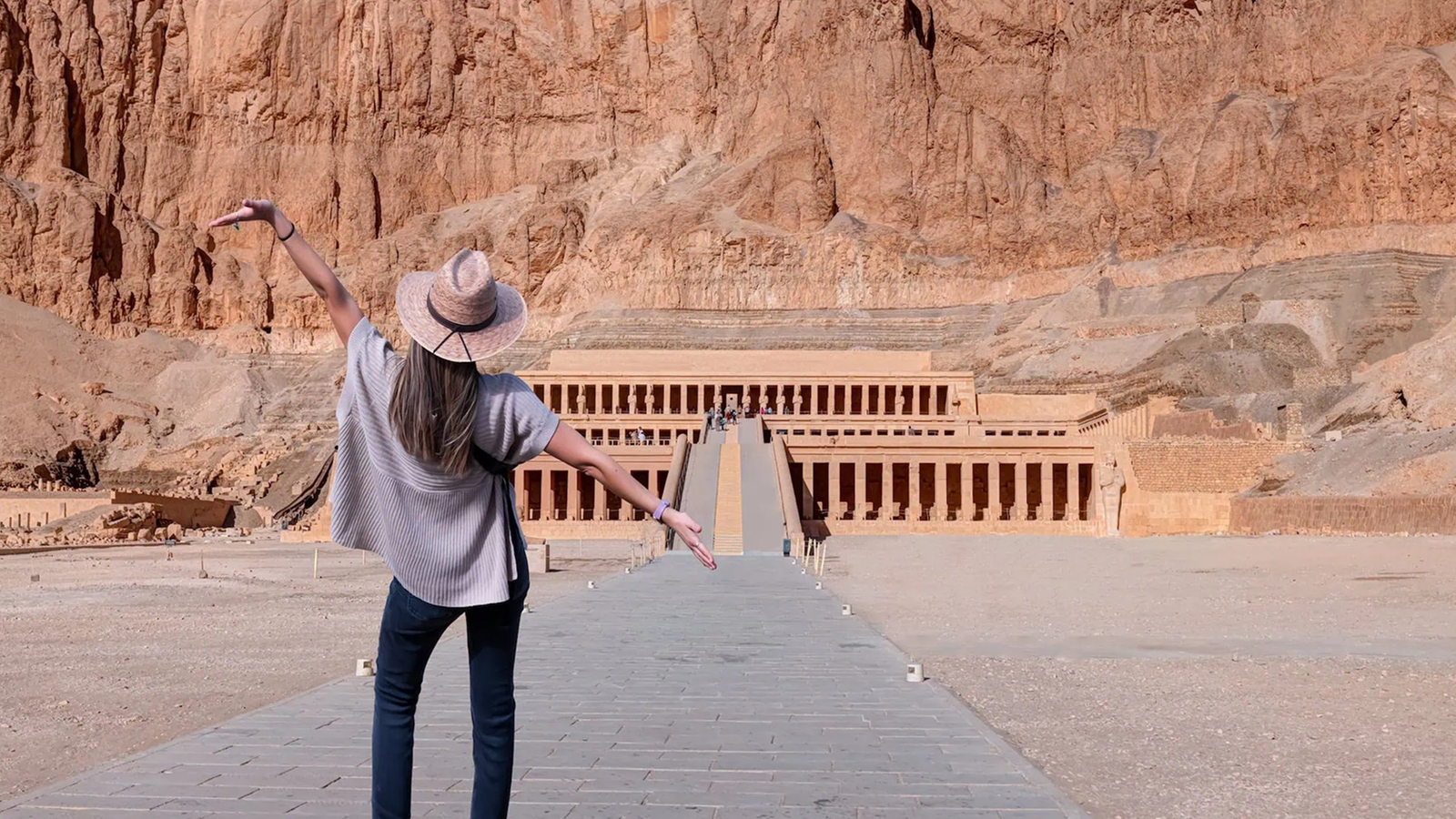
Egypt is a destination where ancient history, desert landscapes, vibrant cities, and the Nile River come together. From exploring the pyramids of Giza and ancient temples in Luxor to cruising the Nile and relaxing along the Red Sea, Egypt offers very different travel experiences across the country.
Because much of Egypt has a desert climate, the time of year can significantly affect your sightseeing experience. Summer can be extremely hot in many areas, while the cooler months are generally more comfortable for exploring archaeological sites.
If you’re planning a trip, this guide explains the best time to visit Egypt by season and month, along with what to expect in different regions.
Egypt at a Glance
| Season | Months | Best For |
|---|---|---|
| Winter | December–February | Sightseeing, Nile cruises, desert trips |
| Spring | March–May | Cultural travel, Red Sea, city breaks |
| Summer | June–August | Red Sea resorts, fewer crowds |
| Autumn | September–November | Sightseeing, beaches, Nile cruises |
For many travelers, October through April offers a comfortable balance for exploring Egypt’s major historical attractions.
December to February: Winter
Winter is generally one of the most popular periods for visiting Egypt.
Temperatures are much more comfortable for exploring outdoor archaeological sites, particularly around Cairo, Luxor, and Aswan.
Days can be pleasantly warm while evenings may feel cool, especially in desert regions.
Best experiences
- Visiting the Pyramids of Giza
- Exploring Luxor’s temples
- Taking a Nile cruise
- Visiting the Valley of the Kings
- Exploring Cairo
- Desert excursions
Winter is also a popular period for Nile cruises because daytime conditions are generally more comfortable for sightseeing.
What to expect
Popular attractions can be busy during this period, particularly around the major holiday season.
Accommodation and tours may also be more in demand, so booking important parts of your trip ahead of time is useful.
Best for: First-time visitors, history lovers, Nile cruises, and sightseeing.
March to May: Spring
Spring brings warmer temperatures across Egypt.
March can still be comfortable for sightseeing, while April and May become progressively hotter, particularly in southern Egypt.
This can still be a good period for combining cultural attractions with time along the Red Sea.
Best experiences
- Cairo sightseeing
- Ancient temples
- Red Sea resorts
- Nile cruises
- Desert landscapes
- Photography
One consideration during spring is the possibility of Khamsin, a seasonal period that can bring hot, dry winds and dust.
Conditions can vary from year to year, so travelers should remain flexible.
Best for: Cultural trips, beach vacations, and travelers seeking shoulder-season opportunities.
June to August: Summer
Summer is the hottest period in much of Egypt.
Temperatures can become particularly intense around Luxor, Aswan, and other inland destinations.
This doesn’t mean Egypt should be avoided during summer, but your itinerary should be planned carefully.
Early-morning sightseeing can be much more comfortable than visiting major outdoor attractions during the hottest part of the afternoon.
The Red Sea coast can also be appealing for travelers who want to spend more time at resorts, swimming, snorkeling, or diving.
Best experiences
- Red Sea beaches
- Diving and snorkeling
- Resort stays
- Early-morning sightseeing
- Evening city experiences
If visiting archaeological sites during summer, carry water, wear sun protection, and plan regular breaks.
Best for: Beach travelers, divers, resort vacations, and travelers comfortable with high temperatures.
September to November: Autumn
Autumn gradually brings cooler conditions after the summer heat.
September can still be quite hot, especially in southern Egypt, while October and November generally become more comfortable for sightseeing.
This makes late autumn an attractive period for exploring the country’s historical attractions.
Best experiences
- Pyramids of Giza
- Luxor
- Aswan
- Nile cruises
- Cairo
- Red Sea resorts
October and November can be particularly appealing for travelers who want a combination of comfortable sightseeing and coastal relaxation.
Best for: First-time visitors, history lovers, Nile cruises, and couples.
Best Time to Visit Cairo
Cairo can be visited throughout the year, but cooler months are generally more comfortable for walking around outdoor attractions.
Winter and early spring can be particularly pleasant for exploring:
- Pyramids of Giza
- Egyptian Museum
- Historic Cairo
- Khan el-Khalili
- Citadel of Cairo
If you’re visiting during summer, plan outdoor sightseeing early in the day and use indoor attractions during the hotter afternoon hours.
Best Time to Visit Luxor
Luxor is one of Egypt’s most important destinations for ancient history.
The city provides access to attractions including:
- Karnak Temple
- Luxor Temple
- Valley of the Kings
- Valley of the Queens
- Colossi of Memnon
- Mortuary temples
Because many attractions involve significant outdoor walking, cooler months are generally more comfortable.
October through April is a particularly useful period for travelers who want to explore Luxor extensively.
Best Time to Visit Aswan
Aswan is located farther south and can become very hot during summer.
The cooler months are therefore particularly attractive for exploring the city and surrounding archaeological sites.
Aswan is also a popular starting or ending point for Nile cruises.
A winter visit allows you to combine the city’s riverside atmosphere with nearby historical attractions without dealing with the extreme summer heat.
Best Time for a Nile Cruise
The cooler months from approximately October through April are generally popular for Nile cruises.
A typical itinerary may connect Luxor and Aswan while stopping at major archaeological sites along the river.
The cruise itself can also be an important part of the experience, giving travelers time to enjoy the landscape between sightseeing stops.
If you’re traveling during the hotter months, check the itinerary carefully and plan outdoor excursions around the cooler parts of the day.
Best Time to Visit the Red Sea
The Red Sea can be enjoyed throughout much of the year.
Destinations such as Hurghada, Sharm El Sheikh, and Marsa Alam are popular for beaches, diving, snorkeling, and resort holidays.
Winter can offer comfortable conditions for many travelers, while summer is also popular with visitors who don’t mind high temperatures.
Water conditions and marine experiences vary by location and season, so check the conditions for your specific destination.
Best for: Diving, snorkeling, beaches, and resort stays.
Best Time to Visit Egypt by Activity
| Activity | Recommended Period |
|---|---|
| Pyramids & Cairo sightseeing | October–April |
| Luxor temples | October–April |
| Nile cruise | October–April |
| Desert exploration | Cooler months |
| Red Sea resorts | Year-round |
| Diving & snorkeling | Year-round, depending on conditions |
| Photography | October–April |
| Ancient-history trip | October–April |
| Summer beach vacation | June–August |
These are general seasonal guidelines rather than guarantees. Egypt’s weather can vary by location.
How Many Days Do You Need in Egypt?
For a first trip, 7 to 10 days can provide a good introduction to Egypt.
A possible itinerary could include:
Cairo → Luxor → Nile Cruise → Aswan
If you have additional time, consider adding a few days along the Red Sea.
A two-week trip gives you considerably more flexibility and allows you to combine ancient sites with a beach or diving destination.
Avoid packing too many locations into a short itinerary. Egypt’s attractions are spread across a large area, and transportation between destinations can take time.
What to Pack for Egypt
Your packing list should reflect both the weather and the type of activities you’re planning.
Consider bringing:
- Lightweight breathable clothing
- Comfortable walking shoes
- Sun hat
- Sunglasses
- Sunscreen
- Reusable water bottle
- Light jacket for cooler evenings
- Modest clothing for religious and cultural sites
- Small daypack
For desert excursions or winter evenings, an additional warm layer can be useful.
Tips for Visiting Egypt
Start Sightseeing Early
This is particularly important during warmer months.
Visiting major outdoor attractions early can help you avoid the strongest afternoon heat.
Stay Hydrated
Egypt’s dry climate can make it easy to underestimate how much water you’re losing.
Carry water during sightseeing and outdoor activities.
Dress Appropriately
Egypt is a culturally diverse country with important religious and historical sites.
More conservative clothing is appropriate when visiting mosques and other religious places.
Allow Extra Travel Time
Distances between major destinations can be significant.
Don’t schedule important activities too tightly around flights, trains, or other transportation.
Combine History With Relaxation
Egypt doesn’t have to be an entirely history-focused trip.
After several days exploring temples and archaeological sites, adding time at the Red Sea can provide a welcome change of pace.
Final Thoughts
The best time to visit Egypt depends on the type of trip you’re planning.
For travelers focused on the pyramids, ancient temples, Luxor, Aswan, and Nile cruises, the cooler period from roughly October through April is generally the most comfortable.
For travelers focused on diving, snorkeling, and Red Sea resorts, Egypt can work throughout much of the year.
Summer can be challenging for extensive sightseeing because of the heat, but careful scheduling and a focus on coastal destinations can still make it a worthwhile time to visit.
Ultimately, choose your travel dates around the experiences you want most. Egypt’s combination of ancient history, desert landscapes, river journeys, and Red Sea beaches makes it a destination that can be experienced in many different ways.