
Germany is one of Europe’s most diverse travel destinations, combining historic cities, medieval towns, fairytale castles, dramatic mountain landscapes and vibrant cultural centers.
From Berlin’s modern energy to the romantic streets of Rothenburg ob der Tauber and the Alpine scenery of Bavaria, Germany offers a wide range of experiences for travelers.
Whether you’re planning a city break, road trip, family holiday or European adventure, these 15 best places to visit in Germany are worth adding to your itinerary.
1. Berlin
Berlin is Germany’s capital and one of Europe’s most fascinating cities.
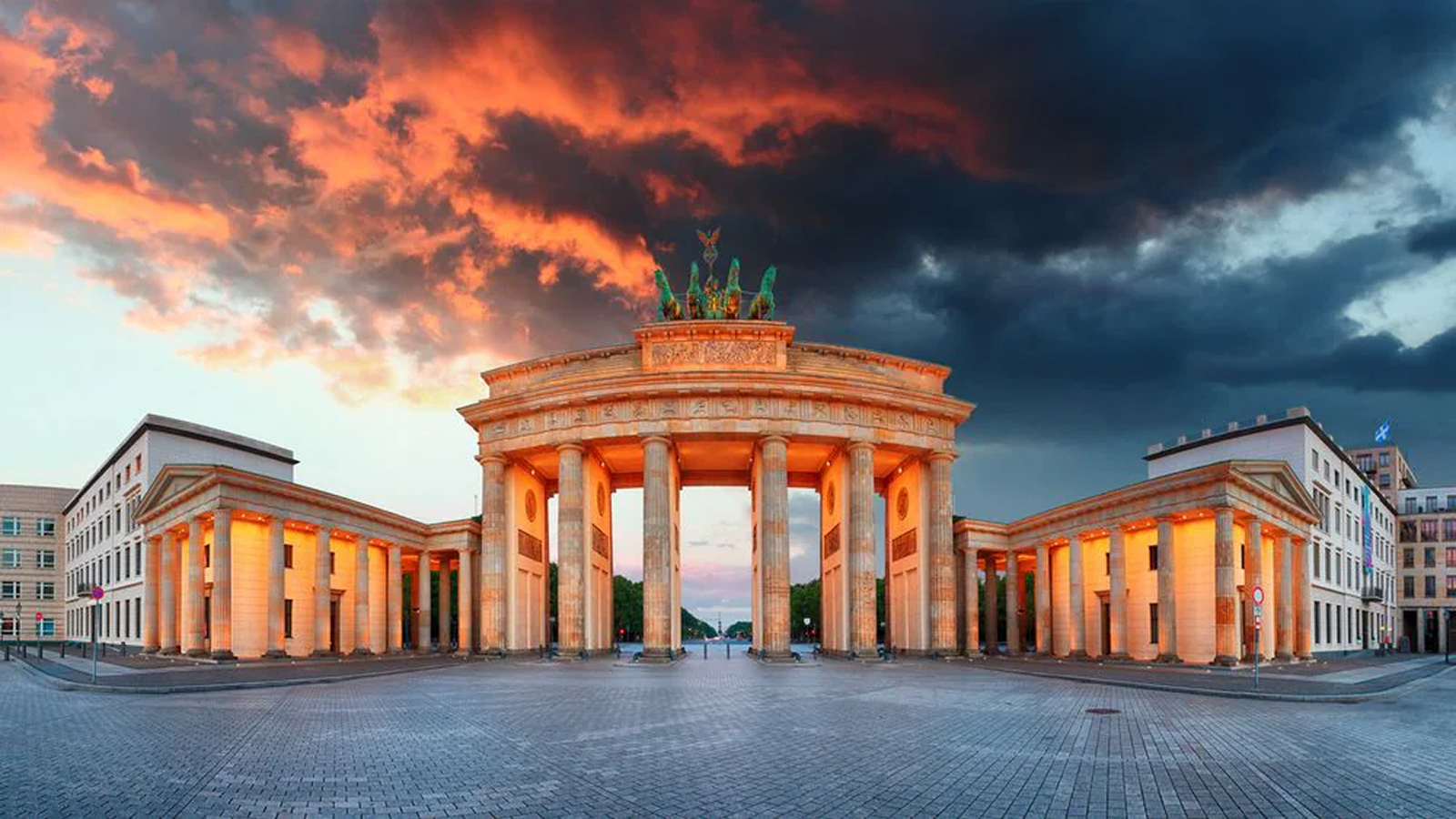
Its history is visible throughout the city, from the Brandenburg Gate and Reichstag Building to the remains of the Berlin Wall and Checkpoint Charlie.
Beyond its historical attractions, Berlin has a thriving food, art, music and nightlife scene.
Best for: History, culture, museums, nightlife and city breaks.
2. Munich
Munich combines Bavarian traditions with a sophisticated city atmosphere.
Explore Marienplatz, visit the historic center and spend time in the city’s parks and beer gardens. Munich is also an excellent base for exploring southern Bavaria.
If you’re visiting in autumn, the city becomes particularly lively during Oktoberfest.
Best for: Culture, food, Bavarian traditions and day trips.
3. Neuschwanstein Castle
Neuschwanstein Castle is one of Germany’s most recognizable landmarks.
The castle sits dramatically among the Bavarian Alps near the town of Füssen and is surrounded by forests and mountain scenery.
The combination of architecture and landscape makes it particularly popular with photographers.
Best for: Castles, photography, history and scenic travel.
4. Hamburg
Hamburg is a major port city in northern Germany with a distinctive maritime character.
Explore the Speicherstadt warehouse district, walk around the harbor and visit the Elbphilharmonie.
The city also has a lively restaurant, music and nightlife scene.
Best for: Architecture, waterfronts, food and city breaks.
5. Cologne
Cologne is best known for its enormous Gothic cathedral, the Cologne Cathedral, which dominates the city’s skyline.
The cathedral is a UNESCO World Heritage Site and one of Germany’s most recognizable landmarks.
After visiting the cathedral, explore the old town, walk along the Rhine and discover the city’s museums and restaurants.
Best for: Architecture, history and culture.
6. Heidelberg
Heidelberg is one of Germany’s most romantic historic cities.
Located along the Neckar River, the city is known for its historic old town, university and hilltop Heidelberg Castle.
Walk through the old streets, cross the Old Bridge and enjoy views over the city from the surrounding hills.
Best for: Couples, history, photography and architecture.
7. Rothenburg ob der Tauber
Rothenburg ob der Tauber is one of Germany’s best-known medieval towns.
Its preserved historic center features colorful buildings, defensive walls, narrow streets and traditional architecture.
Walking around the old town can feel like stepping into a different period of German history.
Best for: Medieval architecture, photography and romantic getaways.
8. The Black Forest
The Black Forest is a beautiful region in southwestern Germany known for dense forests, mountain landscapes, villages and scenic roads.
It’s an excellent destination for travelers who want to experience Germany beyond its major cities.
Explore traditional towns, hike through forest trails and sample regional specialties such as Black Forest cake.
Best for: Nature, hiking, road trips and countryside travel.
9. Dresden
Dresden is known for its impressive architecture, museums and cultural heritage.
The historic center features landmarks such as the Frauenkirche, Zwinger Palace and Semperoper.
The city also sits along the Elbe River, providing attractive views and opportunities for riverside walks.
Best for: Architecture, museums, history and culture.
10. Nuremberg
Nuremberg offers a combination of medieval history and important modern historical sites.
Explore Nuremberg Castle, the old town and the city’s historic churches.
Travelers interested in 20th-century European history can also visit sites and museums documenting the city’s role during the Nazi era and the Nuremberg Trials.
Best for: History, architecture and cultural travel.
11. The Rhine Valley
The Rhine Valley offers some of Germany’s most scenic landscapes.
Historic castles sit above the river, while vineyards cover many of the surrounding hillsides.
A river cruise or scenic road trip is an excellent way to experience the region.
Towns such as Bacharach and Rüdesheim provide attractive bases for exploring the valley.
Best for: River cruises, castles, wine and photography.
12. Garmisch-Partenkirchen
Located in Bavaria near the Austrian border, Garmisch-Partenkirchen is surrounded by dramatic Alpine scenery.
It provides access to Zugspitze, Germany’s highest mountain, along with hiking trails and winter sports opportunities.
The town is particularly appealing for travelers who want to combine outdoor activities with traditional Bavarian scenery.
Best for: Mountains, skiing, hiking and adventure.
13. Lübeck
Lübeck is a historic city in northern Germany with strong connections to the Hanseatic League.
Its old town is surrounded by water and contains numerous historic buildings and churches.
The Holstentor gate is one of the city’s most recognizable landmarks.
Best for: History, architecture and northern Germany.
14. Frankfurt
Frankfurt is one of Germany’s major financial centers, but the city offers much more than its modern skyline.
Explore the reconstructed old town around Römerberg, visit museums along the Main River and enjoy views of the city’s distinctive skyscrapers.
Frankfurt’s major airport also makes it a convenient entry point for exploring Germany.
Best for: Business travel, city breaks, museums and transport connections.
15. Berchtesgaden
Berchtesgaden is located in southeastern Bavaria near the Austrian border.
The region is known for mountain landscapes, alpine lakes and outdoor activities. Berchtesgaden National Park provides opportunities for hiking and exploring nature.
Nearby Königssee is particularly known for its clear mountain waters and dramatic surroundings.
Best for: Nature, hiking, lakes and mountain scenery.
Best Places to Visit in Germany by Travel Style
| Destination | Best For |
|---|---|
| Berlin | History, culture and nightlife |
| Munich | Bavarian culture and city breaks |
| Neuschwanstein | Castles and photography |
| Hamburg | Architecture and waterfronts |
| Cologne | History and architecture |
| Heidelberg | Romance and historic streets |
| Rothenburg | Medieval towns |
| Black Forest | Nature and road trips |
| Dresden | Art and architecture |
| Nuremberg | History |
| Rhine Valley | Castles and vineyards |
| Garmisch-Partenkirchen | Mountains and adventure |
| Lübeck | Medieval history |
| Frankfurt | Museums and city breaks |
| Berchtesgaden | Alpine nature |
Best Regions to Explore in Germany
Bavaria
Bavaria is ideal for travelers interested in castles, mountains, traditional villages and Alpine scenery.
Munich, Neuschwanstein, Garmisch-Partenkirchen and Berchtesgaden can all be combined into a southern Germany itinerary.
The Rhine Valley
The Rhine Valley is perfect for scenic travel, vineyards, castles and river cruises.
Black Forest
The Black Forest works particularly well for road trips and outdoor travel.
Northern Germany
Hamburg and Lübeck offer a different side of Germany, with maritime history, Hanseatic architecture and coastal influences.
How Long Should You Spend in Germany?
For a first trip, 7–10 days can provide a good introduction to Germany.
A 7-day itinerary could focus on:
Berlin → Munich → Neuschwanstein
A 10-day trip could add:
Heidelberg → Rhine Valley
With two weeks or more, you can explore additional regions such as the Black Forest, Hamburg or the Bavarian Alps.
Germany is best experienced region by region rather than trying to cover the entire country in one trip.
Best Time to Visit Germany
Spring
March through May brings milder weather, blooming gardens and increasingly comfortable conditions for sightseeing.
Summer
June through August offers long days and good conditions for outdoor activities, although popular destinations can become busy.
Autumn
September and October are attractive for countryside scenery, cultural travel and seasonal events.
Winter
December is particularly popular for Christmas markets, while the Bavarian Alps offer winter sports opportunities.
Final Thoughts
Germany offers an impressive combination of historic cities, medieval towns, castles, mountains, rivers and cultural experiences.
You can explore Berlin’s history in the morning, walk through a medieval Bavarian town the next day and finish your trip surrounded by the Alps.
For a first visit, focus on a few regions rather than trying to see everything. That gives you more time to experience Germany’s local food, architecture, landscapes and traditions.