
Japan is a destination where ancient traditions, modern cities, incredible food, beautiful landscapes, and efficient transportation come together in a way that feels completely unique.
For first-time visitors, Japan can seem overwhelming at first. Tokyo alone is enormous, while Kyoto, Osaka, Mount Fuji, Hiroshima, and other destinations all offer very different experiences.
The good news is that Japan is relatively easy to explore once you understand the basics. With a little planning, you can create a trip that combines major attractions with quieter neighborhoods, local food, cultural experiences, and beautiful scenery.
Here is a practical Japan travel guide for first-time visitors.
Why Visit Japan?
Japan offers an extraordinary variety of travel experiences.
You can explore centuries-old temples in Kyoto in the morning, eat sushi in Tokyo in the afternoon, and experience the bright nightlife of Osaka later in your trip.
Beyond its famous cities, Japan also has mountains, beaches, national parks, hot springs, traditional villages, and scenic countryside.
Some of the biggest reasons travelers visit Japan include:
- Historic temples and shrines
- Japanese food and local cuisine
- Modern cities and technology
- Traditional neighborhoods
- Cherry blossoms
- Autumn foliage
- Mount Fuji
- Japanese gardens
- Onsen and traditional hot springs
- Efficient rail travel
The country works particularly well for travelers who want to combine culture, food, nature, and city experiences in one trip.
Best Places to Visit in Japan
Tokyo
Tokyo is usually the starting point for first-time visitors.
The city combines huge shopping districts, quiet temples, modern architecture, traditional neighborhoods, restaurants, markets, and entertainment.
Popular areas include Shibuya, Shinjuku, Asakusa, Ginza, Harajuku, and Ueno.
Don’t spend the entire trip visiting major attractions. Some of Tokyo’s most enjoyable experiences can come from simply walking through smaller neighborhoods, visiting local restaurants, and discovering quieter streets.
Kyoto
Kyoto is one of the best places to experience traditional Japan.
The city is famous for temples, shrines, gardens, traditional houses, and historic districts.
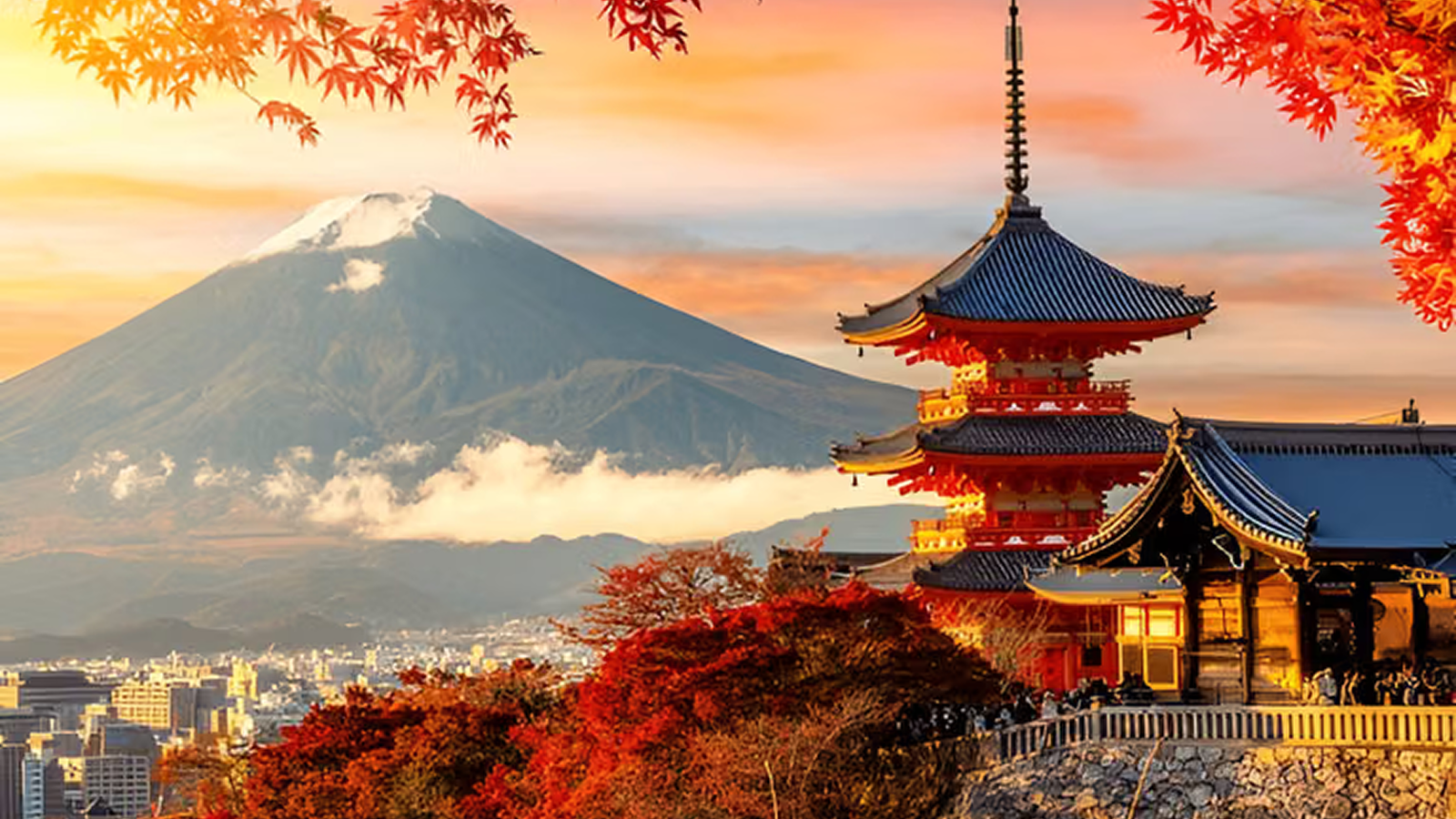
Fushimi Inari Taisha, Kiyomizu-dera, Arashiyama, and Gion are among the most recognizable places to visit.
Kyoto can become very busy, particularly around major attractions, so starting your day early can make a significant difference.
Osaka
Osaka is known for its food, entertainment, and energetic atmosphere.
Dotonbori is one of the city’s most famous areas, particularly in the evening when its signs and restaurants create a lively atmosphere.
Osaka Castle, Kuromon Market, and the city’s many food streets are also worth exploring.
For many travelers, Osaka is also a convenient base for visiting nearby destinations.
Mount Fuji
Mount Fuji is one of Japan’s most recognizable landmarks.
You don’t necessarily have to climb the mountain to experience it. Several towns and viewpoints around the Fuji Five Lakes region provide beautiful views.
Lake Kawaguchi is particularly popular because of its scenery and accessibility from Tokyo.
Weather can affect visibility, so don’t be disappointed if Fuji is hidden by clouds during your first visit.
Hiroshima
Hiroshima offers an important historical and cultural experience.
The Hiroshima Peace Memorial Park and Peace Memorial Museum provide an opportunity to learn about the city’s history and the impact of the atomic bombing.
Nearby Miyajima is another popular destination, known for its beautiful scenery and Itsukushima Shrine.
Hiroshima works well as a one- or two-night addition to a longer Japan itinerary.
How Many Days Do You Need in Japan?
For a first trip, 10 to 14 days gives you enough time to experience several major destinations without trying to cover the entire country.
A 10-day itinerary could look like:
Days 1–4: Tokyo
Days 5–7: Kyoto
Days 8–9: Osaka
Day 10: Return to Tokyo or depart from Osaka
With two weeks, you can slow the trip down and add destinations such as Hiroshima, Nara, or the Mount Fuji area.
Japan is much larger than the Tokyo-Kyoto-Osaka route, so longer trips allow you to explore less-touristed areas as well.
Getting Around Japan
Japan’s transportation system is one of the easiest ways to travel between major cities.
Trains
The Shinkansen, or bullet train, connects many major destinations quickly.
The Tokyo to Kyoto journey, for example, can be completed in a few hours, making it possible to visit multiple cities during one trip.
Within cities, trains and metro systems are also extremely useful.
IC Cards
IC cards can make local transportation easier.
They can be used on many trains, buses, and other participating services, reducing the need to purchase individual tickets for every short journey.
Taxis
Taxis are available throughout Japan but are generally more expensive than trains and buses.
They can be useful for short distances, late-night travel, or locations that are difficult to reach by public transportation.
Japanese Food You Should Try
Food is an important part of any trip to Japan.
While sushi is one of the country’s most famous foods, Japanese cuisine goes far beyond raw fish.
Ramen
Ramen comes in many regional styles, from rich tonkotsu broth to lighter soy-based varieties.
Trying ramen in different cities can be a fun part of your trip.
Sushi
You can find everything from affordable conveyor-belt sushi restaurants to high-end sushi counters.
Freshness, preparation, and regional ingredients make sushi an important part of Japanese food culture.
Tempura
Tempura consists of seafood or vegetables lightly coated and fried until crisp.
It is often served with dipping sauce or alongside rice and other dishes.
Okonomiyaki
Often described as a savory Japanese pancake, okonomiyaki is particularly associated with Osaka and Hiroshima, although the preparation differs between regions.
Yakitori
Yakitori consists of grilled chicken pieces served on skewers.
It is particularly popular at casual restaurants and izakayas.
Where Should You Stay?
Choosing the right area can make your trip much easier.
Tokyo
For first-time visitors, Shinjuku, Shibuya, Asakusa, and Ueno are useful areas to consider.
Shinjuku and Shibuya are convenient for entertainment and transportation, while Asakusa offers a more traditional atmosphere.
Kyoto
Downtown Kyoto, Gion, and areas around Kyoto Station offer different advantages depending on your itinerary.
Staying near a train or subway station can be particularly useful.
Osaka
Namba is a popular choice for travelers who want easy access to restaurants, shopping, and nightlife.
Umeda is another convenient area with excellent transportation connections.
Best Time to Visit Japan
Japan can be visited throughout the year, but each season offers a different experience.
Spring
Spring is famous for cherry blossoms.
Parks, gardens, and streets across Japan can become particularly beautiful when the trees bloom.
However, popular destinations can become extremely busy during peak blossom periods.
Summer
Summer brings warmer temperatures and longer days.
It can be a good season for exploring northern Japan and mountain regions, although some cities can be hot and humid.
Autumn
Autumn is one of the most beautiful seasons for travelers interested in colorful landscapes.
Kyoto, Tokyo, Nikko, and many mountain areas can offer spectacular autumn scenery.
Winter
Winter is an excellent time for snow experiences, skiing, hot springs, and seasonal food.
Hokkaido and the Japanese Alps are particularly popular with winter travelers.
Cultural Etiquette to Know
Understanding a few basic customs can make your trip smoother.
Remove your shoes when required, particularly when entering traditional accommodations or certain restaurants.
Keep your voice low on public transportation and avoid phone calls on trains.
In Japan, queues are generally respected, so follow the local line rather than trying to move ahead.
Tipping is also not generally expected in Japan.
Most importantly, pay attention to signs and local instructions, particularly when visiting temples, shrines, restaurants, and residential areas.
How Much Should You Budget?
Japan can work for different travel budgets.
Budget travelers can save money by staying in hostels, using affordable restaurants, and relying on public transportation.
Mid-range travelers can choose comfortable hotels, eat at a mixture of casual and higher-end restaurants, and take several long-distance train journeys.
Luxury travelers have access to high-end hotels, ryokan, private experiences, fine dining, and premium transportation options.
Your biggest expenses will generally include accommodation, transportation, food, and activities.
Booking popular accommodation and transportation options in advance can also help you plan your overall spending more effectively.
Tips for Your First Japan Trip
Don’t plan every minute
Japan has plenty to see, but leaving some free time allows you to explore neighborhoods and discover places that weren’t part of your original itinerary.
Start early
Popular attractions can become crowded later in the day.
Starting early is especially useful in Kyoto and at major temples and shrines.
Learn a few Japanese phrases
Simple phrases such as “Arigatou” for thank you and “Sumimasen” for excuse me can be useful.
You don’t need to speak Japanese fluently, but making an effort is appreciated.
Carry some cash
Although card payments are widely accepted, cash can still be useful, especially at smaller restaurants, shops, and local establishments.
Don’t overpack your itinerary
Tokyo, Kyoto, and Osaka alone can easily fill a week or more.
Trying to visit too many destinations can turn a relaxing holiday into a constant series of train journeys and hotel check-ins.
Final Thoughts
Japan is a destination that rewards curiosity.
The major attractions are certainly worth visiting, but some of the best memories can come from smaller experiences: eating at a neighborhood restaurant, walking through a quiet street, discovering a local market, visiting a traditional garden, or watching the changing landscape from a train window.
For a first trip, focus on a few destinations rather than trying to see the entire country.
Tokyo, Kyoto, and Osaka provide an excellent introduction to Japan, while destinations such as Mount Fuji, Hiroshima, Nara, and the Japanese Alps can be added depending on the length and style of your trip.
With a little planning and an open mind, Japan can offer a memorable combination of history, culture, food, nature, and modern city life.