
Choosing where to stay in Rome can have a big impact on your trip. The city is filled with historic neighborhoods, famous landmarks, lively streets, local restaurants, boutique hotels, and quiet residential areas.
For first-time visitors, staying in the right neighborhood can make it easier to explore major attractions while still experiencing the atmosphere of Rome.
From the historic center around the Pantheon and Piazza Navona to the charming streets of Trastevere and the quieter atmosphere of Prati, each area offers a different experience.
Here is a complete guide to the best areas to stay in Rome, including what each neighborhood is known for and who it is best suited to.
1. Centro Storico — Best for First-Time Visitors
Centro Storico, or the historic center of Rome, is one of the most convenient areas for travelers visiting the city for the first time.
The neighborhood places you close to some of Rome’s most famous landmarks, including the Pantheon, Piazza Navona, Trevi Fountain, and Campo de’ Fiori.
Many streets are pedestrian-friendly, making the area enjoyable to explore on foot.
The biggest advantage is location. You can walk between many attractions without constantly relying on public transportation.
The area is also filled with restaurants, cafés, gelato shops, small stores, and historic buildings.
Best for: First-time visitors, sightseeing, couples, and short trips.
Things to consider: Hotels in the heart of the historic center can be expensive, particularly during busy travel periods.
2. Trastevere — Best for Atmosphere and Nightlife
Trastevere is one of Rome’s most atmospheric neighborhoods.
Located across the Tiber River, the area is known for narrow cobblestone streets, ivy-covered buildings, traditional restaurants, wine bars, and lively evening streets.
During the day, you can explore historic churches, small boutiques, and quiet lanes. In the evening, the neighborhood becomes much livelier as restaurants and bars fill with visitors and locals.
Trastevere is particularly appealing if you want your accommodation to feel like part of the Roman experience rather than simply being close to major tourist attractions.
The neighborhood is within walking distance of several central sights, although you may need public transportation or a longer walk to reach some attractions.
Best for: Couples, food lovers, nightlife, and travelers looking for local atmosphere.
Things to consider: Some streets can be noisy at night.
3. Monti — Best for a Trendy Neighborhood
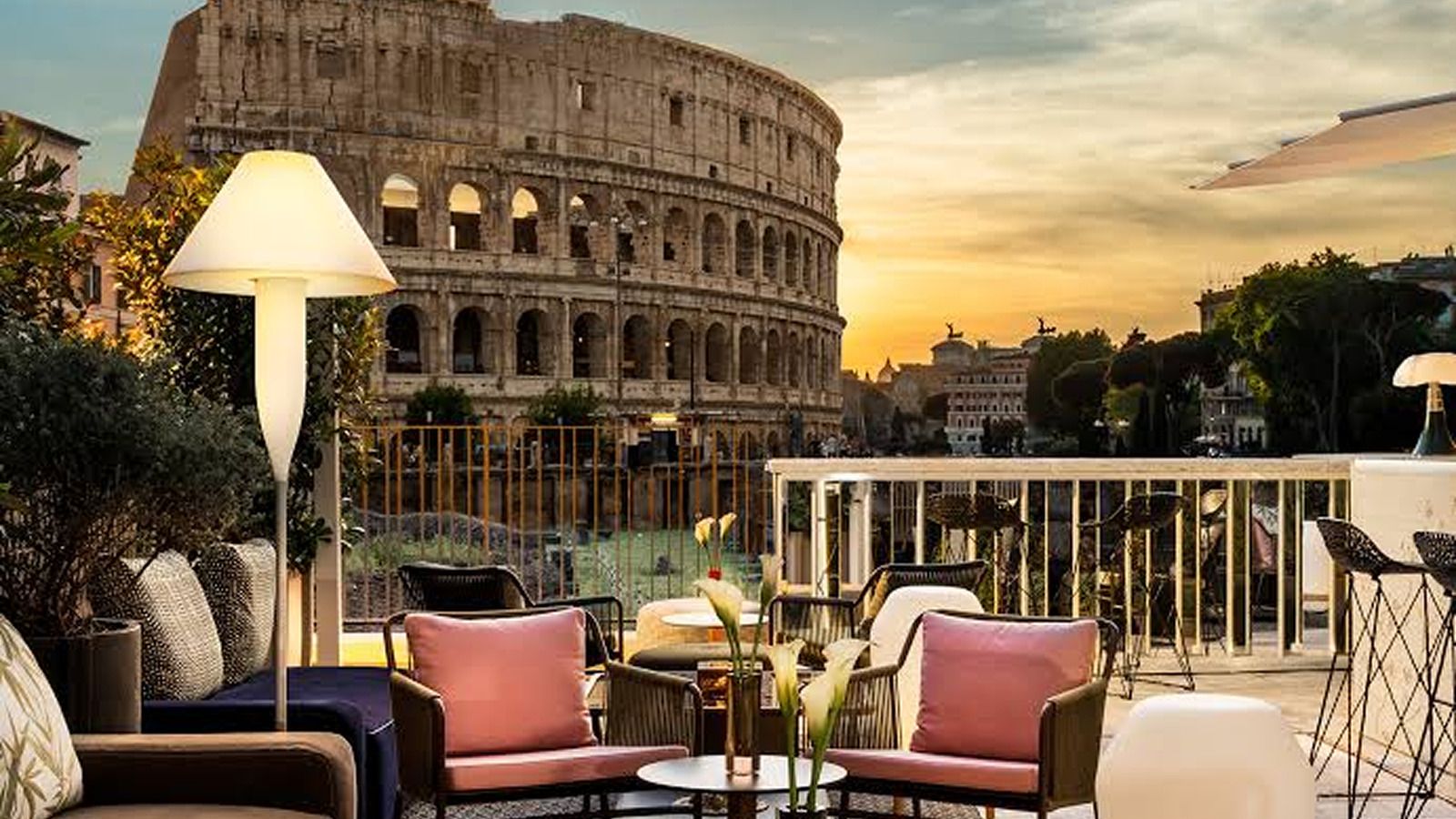
Monti is located close to the Colosseum and offers a more relaxed atmosphere than some of Rome’s busiest tourist areas.
The neighborhood combines historic streets with independent boutiques, cafés, wine bars, restaurants, and small shops.
One of its biggest advantages is its location. The Colosseum and Roman Forum are nearby, while Roma Termini railway station is also relatively close.
Monti is a good choice if you want to stay near major attractions but prefer an area with a neighborhood feel.
Best for: Couples, younger travelers, food lovers, and repeat visitors.
Things to consider: Some streets are hilly and uneven, which can be difficult with heavy luggage.
4. Prati — Best for the Vatican
Prati is located north of the Vatican and is a practical choice for travelers who want easy access to Vatican City.
The neighborhood has wide streets, elegant buildings, restaurants, cafés, and shopping streets.
It generally feels more residential and organized than the narrow streets of the historic center.
Staying in Prati also makes it easy to visit St. Peter’s Basilica and the Vatican Museums.
The neighborhood has good public transportation connections, making it possible to reach other parts of Rome without too much difficulty.
Best for: Families, Vatican visitors, longer stays, and travelers who prefer a quieter neighborhood.
Things to consider: It is not within easy walking distance of every major Rome attraction.
5. Piazza Navona and Pantheon — Best for Central Location
The area around Piazza Navona and the Pantheon is one of the most central places to stay in Rome.
From here, many major attractions can be reached on foot.
You can walk to the Pantheon, Piazza Navona, Trevi Fountain, Campo de’ Fiori, and several other historic landmarks.
The streets around the area are packed with restaurants, cafés, gelato shops, and historic buildings.
For travelers who want to spend most of their trip exploring Rome on foot, this is a particularly convenient location.
Best for: First-time visitors, couples, sightseeing, and short stays.
Things to consider: Accommodation prices can be high, and busy streets can become crowded.
6. Spanish Steps — Best for Luxury
The area around the Spanish Steps is one of Rome’s most elegant neighborhoods.
It is home to luxury hotels, designer boutiques, upscale restaurants, and some of the city’s most famous shopping streets.
Via dei Condotti is particularly well known for luxury fashion.
The Spanish Steps also provide easy access to the historic center, Trevi Fountain, Villa Borghese, and other attractions.
If your Rome trip includes shopping, fine dining, and luxury accommodation, this area is worth considering.
Best for: Luxury travelers, shopping, couples, and special occasions.
Things to consider: Hotels and restaurants can be considerably more expensive than in other neighborhoods.
7. Testaccio — Best for Food Lovers
Testaccio is a great option for travelers who want to experience a more local side of Rome.
The neighborhood has a strong food culture and is known for traditional Roman dishes, markets, bakeries, restaurants, and casual dining.
It is less focused on major tourist attractions than the historic center, which gives it a more residential atmosphere.
The famous Testaccio Market is worth visiting for anyone interested in Roman food and everyday local life.
You can still reach central Rome using public transportation.
Best for: Food lovers, repeat visitors, and travelers looking for a local atmosphere.
Things to consider: Some major attractions require transportation.
8. Campo de’ Fiori — Best for Restaurants and Evening Atmosphere
Campo de’ Fiori is located in the heart of Rome and is surrounded by restaurants, bars, cafés, and historic streets.
The square hosts a market during the day and becomes a lively meeting point in the evening.
Its location makes it convenient for exploring the Pantheon, Piazza Navona, and other central attractions.
If you enjoy being close to restaurants and want plenty of options for evening dining, this is an attractive area.
Best for: Couples, food travelers, nightlife, and short stays.
Things to consider: The area can be noisy, especially at night.
9. Aventine Hill — Best for a Quiet Stay
Aventine Hill offers a much quieter experience than the busy streets around the main tourist attractions.
The neighborhood is known for elegant streets, gardens, churches, and panoramic views over Rome.
One of the area’s attractions is the famous keyhole view toward St. Peter’s Basilica.
Aventine Hill works well for travelers who want to escape the crowds after a busy day of sightseeing.
It is still relatively close to attractions such as the Colosseum and Circus Maximus.
Best for: Couples, quiet stays, and travelers looking for a more peaceful atmosphere.
Things to consider: The area has fewer nightlife and dining options than Trastevere or the historic center.
10. Near Roma Termini — Best for Transportation
The area around Roma Termini is particularly convenient for travelers arriving by train or planning several day trips.
Termini is Rome’s main railway station and provides connections to destinations across Italy.
The neighborhood has a wide range of hotels, from budget accommodation to larger international properties.
You can also access buses and metro services from the station.
While the area does not have the same atmosphere as Trastevere or Centro Storico, its transportation connections can make it practical for certain itineraries.
Best for: Budget travelers, short stays, and travelers taking trains to other Italian cities.
Things to consider: The neighborhood varies considerably from street to street, so check the exact location of your hotel before booking.
11. San Giovanni — Best for Families and Longer Stays
San Giovanni is a residential neighborhood south of the historic center.
It is generally less tourist-focused and offers supermarkets, cafés, restaurants, and everyday local services.
The area is served by public transportation, including the metro, making it possible to reach central attractions without staying directly in the busiest tourist areas.
Accommodation can also be more affordable compared with some parts of the historic center.
Best for: Families, longer stays, and travelers looking for better value.
How to Choose the Right Area in Rome
The best neighborhood depends on the type of trip you are planning.
If this is your first visit to Rome, Centro Storico or the area around Piazza Navona and the Pantheon provides excellent access to major attractions.
If you want restaurants and nightlife, consider Trastevere or Campo de’ Fiori.
If you’re visiting the Vatican, Prati can be convenient.
If you’re looking for luxury hotels and shopping, the Spanish Steps area is a natural choice.
If food is one of the main reasons for your trip, Testaccio is worth considering.
If you want quieter surroundings, Aventine Hill can offer a more relaxed experience.
And if you are traveling around Italy by train, staying near Roma Termini can simplify your transportation.
How Many Days Should You Stay in Rome?
For a first visit, 3 to 4 days is a good starting point.
Three days can cover many of Rome’s major highlights, including the Colosseum, Roman Forum, Pantheon, Trevi Fountain, Piazza Navona, and Vatican City.
Four or five days gives you more time to explore neighborhoods, visit museums, enjoy long meals, and discover places away from the main tourist routes.
If you are combining Rome with Florence, Venice, Naples, or other Italian destinations, staying three nights can work well.
Tips for Booking a Hotel in Rome
Check the exact location
Two hotels may both advertise themselves as being “central” while being quite far apart.
Look at the exact address and check walking distances to the places you plan to visit.
Consider public transportation
A hotel slightly outside the historic center can be a good option if it is close to a metro or major bus route.
Think about noise
Restaurants, bars, and nightlife can make some streets noisy at night.
If you prefer quiet accommodation, look for hotels on smaller residential streets or request a quieter room.
Book early during busy periods
Rome can become very busy during major travel seasons.
Booking your accommodation early gives you more choice of neighborhoods, room types, and prices.
Don’t choose based only on price
A cheaper hotel far from the center may require more time and transportation costs every day.
Sometimes paying slightly more for a better location can make a short Rome trip considerably easier.
Final Thoughts
Rome is a city where the neighborhood you choose can become part of your travel experience.
For first-time visitors, staying centrally makes sightseeing easier and allows you to experience Rome’s historic streets on foot. Travelers looking for food and nightlife may prefer Trastevere, while Prati and San Giovanni offer a quieter residential atmosphere.
There is no single area that works for every traveler.
Think about the attractions you want to visit, how much walking you are comfortable with, your accommodation budget, and the type of atmosphere you want in the evening.
Choose the neighborhood that matches your travel style, and Rome becomes much easier to explore.