
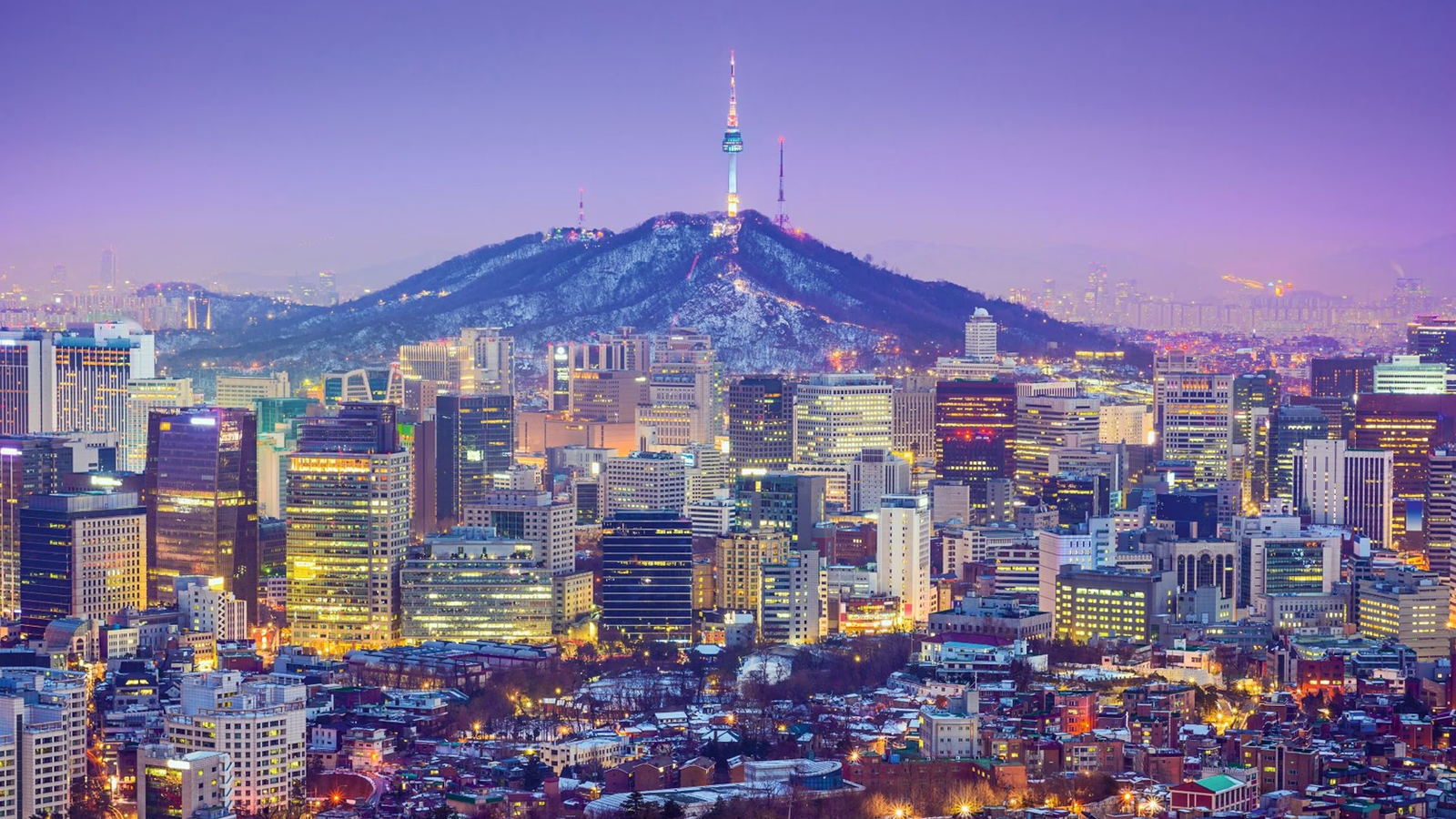
South Korea is a fascinating destination where ancient traditions and modern city life exist side by side. In Seoul, you can walk through centuries-old palaces in the morning, explore busy shopping streets in the afternoon, and enjoy modern restaurants and cafés in the evening.
Beyond Seoul, the country offers coastal cities, mountain landscapes, historic villages, temples, islands, and excellent food. This makes South Korea a great destination for travelers looking for a combination of culture, food, shopping, nature, and city experiences.
If you are planning your first trip to South Korea, this guide covers the essentials you need to know before you go.
Why Visit South Korea?
South Korea offers a wide variety of experiences within a relatively compact country.
You can explore historic palaces in Seoul, visit traditional villages, hike in the mountains, relax on beaches, try Korean street food, and discover neighborhoods filled with cafés and independent shops.
The country is also well suited to travelers who enjoy public transportation. Major cities and many popular destinations can be connected by trains, buses, and domestic flights.
1. Start Your Trip in Seoul
Seoul is the natural starting point for many first-time visitors.
The capital combines historic landmarks with modern architecture, shopping districts, restaurants, nightlife, museums, and large parks.
There is plenty to see, so avoid trying to explore the entire city in one day.
Some popular areas and attractions include:
- Gyeongbokgung Palace
- Bukchon Hanok Village
- Myeongdong
- Insadong
- Hongdae
- Gangnam
- Namsan Seoul Tower
- Dongdaemun
- Han River
Each neighborhood offers a different experience, which is one of the reasons Seoul is worth spending several days exploring.
2. Visit Gyeongbokgung Palace
Gyeongbokgung Palace is one of Seoul’s most important historic landmarks.
The palace dates back to the Joseon period and provides an excellent introduction to Korean history and traditional architecture.
The large courtyards, gates, buildings, and surrounding mountains create a striking setting in the middle of modern Seoul.
Allow enough time to explore the palace grounds rather than simply visiting for a quick photo.
You can also combine your visit with nearby Bukchon Hanok Village and Insadong.
3. Explore Bukchon Hanok Village
Bukchon Hanok Village is known for its traditional Korean houses, known as hanok.
The neighborhood sits between major historic areas and contains narrow streets lined with traditional architecture.
It is a beautiful area to explore on foot, but remember that it is also a residential neighborhood. Keep noise low and respect private homes while walking through the area.
The nearby cafés, galleries, and small shops make it easy to spend several hours in the surrounding neighborhoods.
4. Discover Seoul’s Food Scene
Food should be a major part of your South Korea itinerary.
Korean cuisine offers much more than the dishes that are commonly found outside the country.
Some foods worth trying include:
- Bibimbap
- Korean barbecue
- Kimchi
- Tteokbokki
- Japchae
- Bulgogi
- Gimbap
- Korean fried chicken
- Mandu
- Hotteok
Street markets are particularly useful for travelers who want to try several dishes in one visit.
Don’t be afraid to try smaller local restaurants as well. Some of the best food experiences can come from simple places without elaborate interiors.
5. Spend Time in Busan
After Seoul, Busan is one of the most popular destinations to include on a first South Korea trip.
Located on the southeastern coast, Busan offers beaches, seafood markets, temples, mountains, and a more relaxed atmosphere than Seoul.
Popular places to explore include:
- Haeundae Beach
- Gwangalli Beach
- Gamcheon Culture Village
- Jagalchi Market
- Haedong Yonggungsa Temple
- Busan’s coastal areas
Busan is a good destination for travelers who want to combine city sightseeing with beaches and coastal scenery.
6. Visit Gamcheon Culture Village
Gamcheon Culture Village is one of Busan’s most recognizable neighborhoods.
Colorful buildings cover the hillside, while narrow streets connect small shops, cafés, galleries, and viewpoints.
The village is best explored slowly because many of its most interesting details are found along smaller streets.
Wear comfortable shoes because the area includes slopes and stairs.
7. Explore Jeju Island
Jeju Island offers a completely different experience from South Korea’s major cities.
The island is known for volcanic landscapes, coastal scenery, waterfalls, beaches, hiking trails, and countryside.
Hallasan, South Korea’s highest mountain, is located on Jeju.
You can spend several days exploring the island’s different regions rather than treating it as a quick day trip.
Jeju is particularly appealing if you want to add nature and outdoor activities to your South Korea itinerary.
8. Experience a Korean Temple
South Korea has a long Buddhist tradition, and temples can be found in both cities and mountain areas.
Visiting a temple provides an opportunity to experience a quieter side of the country.
Temple architecture, gardens, mountain surroundings, and traditional details can be very different from the busy atmosphere of Seoul.
If you want a deeper cultural experience, some temples also offer programs that allow visitors to experience aspects of traditional temple life.
9. Try a Korean Spa Experience
A Korean spa, commonly known as a jjimjilbang, can be a unique experience for visitors.
These large wellness spaces typically offer bathing areas, saunas, relaxation rooms, and other facilities.
The experience can be very different from a traditional Western spa, so it’s worth learning the basic etiquette before visiting.
For travelers who want to experience an everyday part of Korean culture, a jjimjilbang can be an interesting addition to a city itinerary.
10. Explore Traditional Markets
Markets are an excellent way to experience Korean food and everyday life.
In Seoul, you can explore traditional markets for street food, snacks, ingredients, clothing, and other local products.
Markets can also be useful when you want to try several foods without committing to a full restaurant meal.
Visit during a busy period for the most energetic atmosphere, or go earlier if you prefer a quieter experience.
11. Spend an Evening in Hongdae
Hongdae is one of Seoul’s liveliest areas and is particularly popular for its cafés, restaurants, shops, music, and nightlife.
The neighborhood has a youthful atmosphere and is a good place to spend an evening after a day of sightseeing.
You can explore independent stores, enjoy Korean food, visit cafés, or simply walk through the busy streets.
If you enjoy nightlife and contemporary Korean culture, Hongdae is worth adding to your Seoul plans.
12. Take a Day Trip Outside Seoul
If you have enough time, consider taking a day trip outside the capital.
There are several destinations within reach of Seoul that offer a change of scenery.
You can explore historic sites, countryside landscapes, parks, or smaller cities depending on your interests.
This is particularly useful if you are spending a week or more in the country and want to experience something beyond the capital.
13. Visit Nami Island
Nami Island is a popular destination for travelers looking for a scenic escape from Seoul.
The island is known for tree-lined paths and seasonal scenery.
Autumn can be particularly attractive because of the changing foliage, while spring brings fresh greenery and flowers.
Because it is popular, planning your transportation and timing in advance can make the experience more comfortable.
14. Go Hiking
South Korea is an excellent destination for travelers who enjoy hiking.
Mountains and hiking trails are found surprisingly close to major urban areas.
In Seoul, places such as Bukhansan National Park provide opportunities to escape the city without traveling far away.
Outside Seoul, Jeju and other mountain regions offer additional hiking opportunities.
Choose trails according to your fitness level and check conditions before setting out.
15. Experience Korean Cafés
South Korea has a strong café culture, particularly in cities such as Seoul and Busan.
You will find everything from minimalist coffee shops to themed cafés, dessert cafés, traditional tea houses, and design-focused spaces.
Exploring cafés can easily become part of your daily itinerary.
Instead of planning every stop, leave some free time to discover interesting cafés while exploring different neighborhoods.
Best Time to Visit South Korea
South Korea experiences four distinct seasons, and each offers something different.
Spring
Spring brings comfortable temperatures and seasonal flowers. It is a popular period for sightseeing and outdoor activities.
Summer
Summer can be hot and humid, with periods of heavy rainfall. Coastal destinations can be attractive during this period, although weather conditions should be considered when planning outdoor activities.
Autumn
Autumn is known for colorful foliage and comfortable conditions in many parts of the country. It is an excellent season for city exploration and hiking.
Winter
Winter can be cold, but it also offers opportunities for winter activities and a different atmosphere in cities and mountain areas.
How Many Days Do You Need in South Korea?
For a first trip, 7 to 10 days is a useful starting point.
A simple itinerary could look like:
Days 1–4: Seoul
Days 5–7: Busan
Days 8–10: Jeju Island or additional time in Seoul
If you only have five days, focus on Seoul and possibly Busan.
With two weeks, you can travel at a slower pace and include additional destinations.
Getting Around South Korea
South Korea has an extensive transportation network.
In Seoul and other major cities, public transportation is generally the easiest way to move around.
For longer distances, trains and buses can connect major destinations. Domestic flights can also be useful when traveling to islands such as Jeju.
Before your trip, research your specific route and transportation options rather than assuming every destination is equally easy to reach.
Where Should You Stay?
For your first visit to Seoul, popular areas include:
Myeongdong
Good for shopping, food, and convenient access to central attractions.
Hongdae
A lively choice for cafés, restaurants, nightlife, and younger travelers.
Insadong
A good option for travelers interested in traditional culture, crafts, and historic surroundings.
Gangnam
Known for modern shopping, restaurants, business districts, and contemporary city life.
Your choice should depend on your itinerary rather than simply choosing the most famous neighborhood.
South Korea Travel Tips for First-Time Visitors
Carry comfortable shoes
You can walk a lot when exploring Korean cities.
Download useful navigation apps
Navigation and public transportation apps can make getting around much easier.
Learn a few Korean phrases
Even learning simple greetings and expressions can make everyday interactions easier.
Keep some flexibility in your itinerary
You may discover neighborhoods, cafés, restaurants, and shops that you want to explore longer than expected.
Respect local customs
Be aware of quiet spaces, residential neighborhoods, temple etiquette, and public behavior.
Don’t rush between destinations
South Korea has enough variety that trying to cover everything can make your trip exhausting. Choose a few destinations and experience them properly.
Final Thoughts
South Korea is a destination that rewards travelers who combine different experiences.
Spend a few days exploring Seoul’s palaces, markets, cafés, and neighborhoods before heading to Busan for coastal scenery and seafood. If you have more time, add Jeju Island for nature and outdoor adventures.
The country offers an appealing combination of traditional culture and modern life, from centuries-old temples and palaces to contemporary neighborhoods filled with cafés, restaurants, shopping, and entertainment.
For a first trip, focus on experiencing a few destinations well rather than trying to see the entire country. With a balanced itinerary, South Korea can offer history, food, nature, culture, and city life all in one memorable journey.