

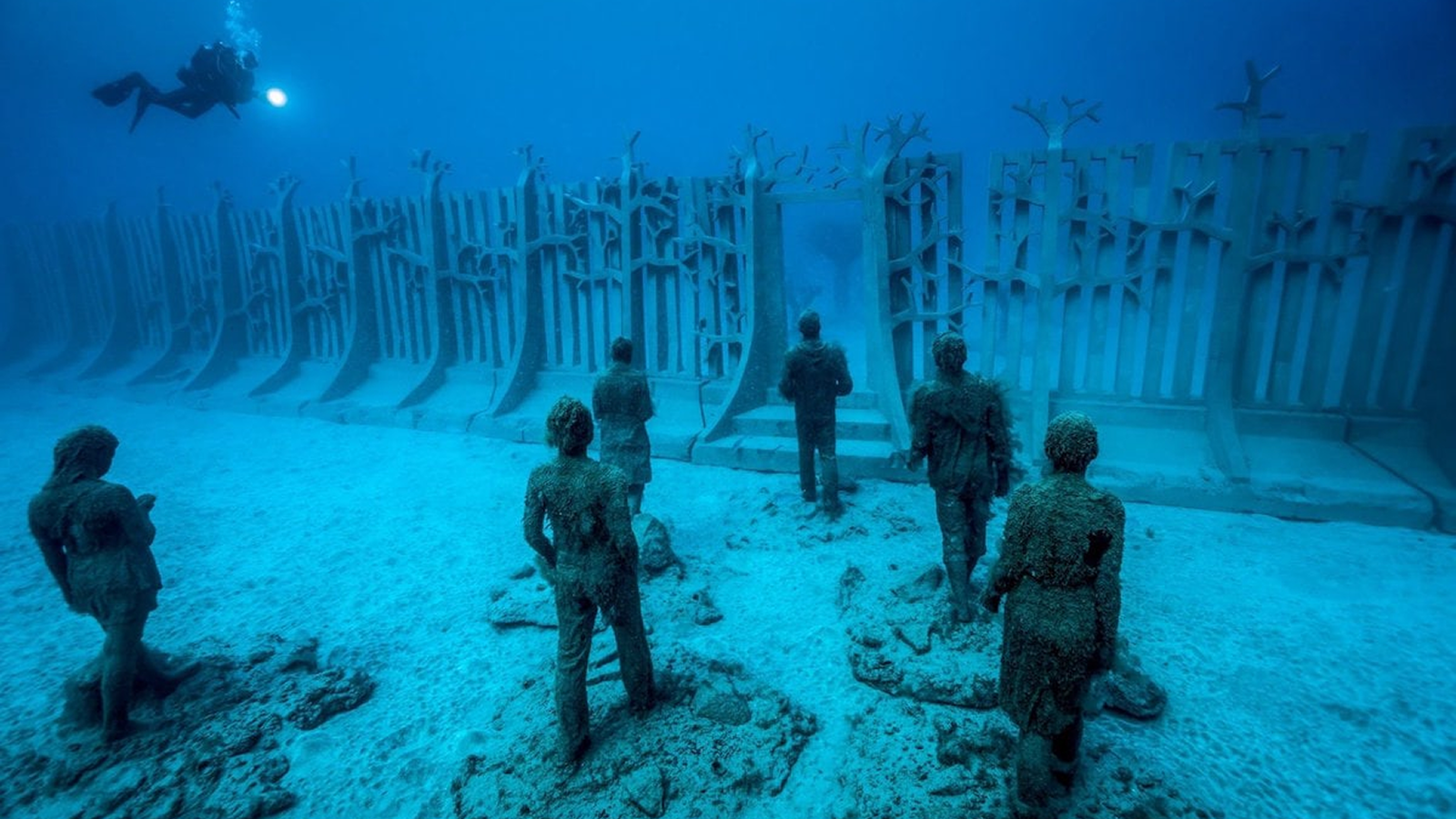
Spain is one of the most diverse countries in Europe, offering a combination of historic cities, beautiful beaches, impressive architecture, lively neighborhoods, incredible food, and unforgettable cultural experiences.
From exploring Barcelona’s famous architecture to walking through the historic streets of Seville, Spain has something for almost every type of traveler.
Whether you are planning your first trip or returning to explore more of the country, these are some of the best things to do in Spain.
1. Explore Barcelona
Barcelona is one of Spain’s most popular destinations and a great place to begin your trip.
The city combines Mediterranean beaches, historic neighborhoods, modern culture, and some of the most distinctive architecture in Europe.
Things to Do in Barcelona
Visit:
- Sagrada Família
- Park Güell
- Gothic Quarter
- Casa Batlló
- La Rambla
- Barceloneta Beach
- La Boqueria Market
Spend some time walking through the Gothic Quarter and exploring its narrow streets, small squares, cafés, and historic buildings.
Barcelona is also an excellent destination for food lovers. Try traditional Catalan dishes, tapas, seafood, and local desserts.
2. Visit the Alhambra in Granada
The Alhambra is one of Spain’s most famous historic landmarks.
Located in Granada, this spectacular palace and fortress complex reflects the architectural and cultural history of the region.
The complex includes palaces, courtyards, gardens, and detailed decorative work.
Allow several hours to explore the site properly.
After visiting the Alhambra, spend time exploring Granada’s historic neighborhoods, particularly the Albaicín.
The viewpoint from the Albaicín toward the Alhambra is especially beautiful around sunset.
3. Explore Seville
Seville is one of the best cities to experience Andalusian culture.
The city is known for its architecture, plazas, traditional food, flamenco, and lively atmosphere.
Top Attractions
- Seville Cathedral
- Giralda
- Royal Alcázar
- Plaza de España
- Barrio Santa Cruz
- Metropol Parasol
Take your time exploring the historic center rather than trying to see everything in one day.
In the evening, enjoy traditional Andalusian food or experience a flamenco performance.
4. Experience Madrid
Madrid is Spain’s capital and one of Europe’s most interesting city destinations.
The city offers museums, historic buildings, parks, shopping streets, restaurants, and a lively nightlife scene.
Things to Do in Madrid
Visit:
- Prado Museum
- Royal Palace
- Plaza Mayor
- Retiro Park
- Puerta del Sol
- Gran Vía
- Mercado de San Miguel
Madrid is also an excellent city for food lovers.
Try traditional dishes such as cocido, tortilla española, croquetas, and churros with chocolate.
Spend an evening walking through the city’s central neighborhoods and enjoying the local atmosphere.
5. Visit the Costa del Sol
The Costa del Sol stretches along Spain’s southern Mediterranean coast and is known for beaches, resorts, restaurants, and sunny weather.
Popular destinations include:
- Málaga
- Marbella
- Nerja
- Fuengirola
- Estepona
You can spend your days relaxing on the beach, exploring coastal towns, enjoying seafood, or taking day trips into Andalusia.
Málaga is particularly useful as a base because it combines beaches with museums, historic attractions, and access to other parts of the region.
6. Discover San Sebastián
San Sebastián is one of Spain’s best destinations for food lovers.
Located in the Basque Country, the city combines beautiful coastal scenery with an impressive culinary tradition.
Things to Do
- Explore Parte Vieja
- Try pintxos
- Walk along La Concha Bay
- Visit Monte Igueldo
- Relax on the beach
- Explore the waterfront
Pintxos are one of the highlights of visiting San Sebastián.
Instead of ordering one large meal, visit several bars and try different small dishes throughout the evening.
7. Explore Valencia
Valencia combines historic architecture, modern attractions, beaches, and one of Spain’s most famous dishes: paella.
The city is a great alternative to Spain’s more heavily visited destinations.
Things to Do in Valencia
Visit:
- City of Arts and Sciences
- Valencia Cathedral
- Central Market
- Turia Gardens
- Malvarrosa Beach
- Historic city center
And, of course, try traditional Valencian paella.
Valencia is also a good destination for travelers who want to combine city sightseeing with time at the beach.
8. Visit the Guggenheim Museum in Bilbao
Bilbao is one of the most interesting cities in northern Spain.
The city has transformed significantly over the years and is now known for contemporary architecture, art, and Basque culture.
The Guggenheim Museum Bilbao is its most famous attraction.
Beyond the museum, explore:
- Casco Viejo
- Plaza Nueva
- Nervión River
- Bilbao’s food markets
- Local pintxos bars
Bilbao is a good choice for travelers looking for something different from the traditional Barcelona-Madrid-Seville route.
9. Explore the Spanish Islands
Spain has several island destinations that offer beautiful beaches and very different experiences from mainland cities.
Mallorca
Mallorca is known for beaches, mountains, villages, and scenic coastal roads.
Ibiza
Ibiza is famous for nightlife but also has beautiful beaches, quiet villages, and natural landscapes.
Tenerife
Tenerife offers volcanic landscapes, beaches, hiking, and Mount Teide.
Gran Canaria
Gran Canaria combines beaches, mountains, dunes, and varied landscapes.
The Spanish islands are particularly attractive for travelers looking for a combination of relaxation and outdoor activities.
10. Walk the Camino de Santiago
The Camino de Santiago is one of Europe’s best-known long-distance pilgrimage routes.
There are several routes across Spain and neighboring countries, all leading toward Santiago de Compostela in Galicia.
You don’t have to be religious to walk the Camino.
Many people take part for:
- Adventure
- Personal reflection
- Fitness
- Cultural experiences
- Meeting other travelers
- Exploring rural Spain
You can choose a shorter section or undertake a longer journey depending on your available time.
11. Visit Santiago de Compostela
Santiago de Compostela is located in Galicia in northwestern Spain and is best known as the final destination of the Camino de Santiago.
The city’s historic center is filled with beautiful architecture and atmospheric streets.
Things to See
- Santiago de Compostela Cathedral
- Praza do Obradoiro
- Historic old town
- Local markets
- Traditional restaurants
Galicia is also famous for seafood, so this is an excellent place to try dishes such as pulpo a la gallega and other regional specialties.
12. Explore the Costa Brava
Costa Brava is located in northeastern Spain along the Mediterranean coast.
The region is known for rocky coastlines, beaches, small fishing villages, and scenic walking paths.
Popular destinations include:
- Tossa de Mar
- Cadaqués
- Begur
- Lloret de Mar
- Calella de Palafrugell
The region is particularly good for travelers who want a coastal road trip.
You can combine beach days with hikes, seafood restaurants, and visits to historic towns.
13. Experience Flamenco in Andalusia
Flamenco is strongly associated with Andalusia and is an important part of the region’s cultural identity.
Seville, Granada, and Córdoba are among the places where visitors can experience flamenco performances.
A flamenco performance combines music, singing, rhythm, and dance.
For a more authentic experience, look for smaller venues and performances that focus on the art rather than large tourist productions.
14. Explore Córdoba
Córdoba is one of the most fascinating historic cities in Andalusia.
The city has a rich cultural history and impressive architecture.
Things to See
- Mezquita-Catedral
- Roman Bridge
- Jewish Quarter
- Alcázar de los Reyes Cristianos
- Historic courtyards
The Mezquita-Catedral is the city’s most famous landmark and one of the most remarkable buildings in Spain.
Give yourself time to walk through the old town after visiting the main attractions.
Córdoba can also be visited as a day trip from Seville or Madrid, although staying overnight allows you to experience the city after the daytime crowds leave.
15. Try Spain’s Regional Cuisine
Food is one of the best reasons to travel around Spain.
Spanish cuisine changes significantly between regions.
In Valencia, try paella.
In Andalusia, try gazpacho, salmorejo, and traditional tapas.
In Galicia, look for seafood and pulpo a la gallega.
In the Basque Country, explore pintxos.
In Madrid, try traditional dishes such as cocido and tortilla española.
Don’t limit your food experience to restaurants in major tourist areas. Local markets, neighborhood cafés, bakeries, and small family-run restaurants can be just as rewarding.
Best Things to Do in Spain for First-Time Visitors
If you are visiting Spain for the first time, focus on experiences that give you a good introduction to the country.
A strong first trip could include:
- Exploring Barcelona
- Visiting Madrid
- Discovering Seville
- Seeing the Alhambra in Granada
- Eating tapas
- Trying paella
- Experiencing flamenco
- Exploring historic neighborhoods
- Spending time on the Mediterranean coast
You don’t need to visit every major city in one trip.
Spain is large, and moving between destinations takes time.
Best Time to Visit Spain
Spain can be visited throughout the year, but the best time depends on your itinerary.
Spring
March to May is excellent for sightseeing and exploring cities.
Temperatures are generally comfortable, and many destinations are less crowded than during the summer.
Summer
June to August is ideal for beach holidays and island trips, but temperatures can become very high in inland cities.
Popular coastal destinations are also busier.
Autumn
September and October are excellent months for sightseeing, food trips, and coastal travel.
The weather is often more comfortable than in the peak summer months.
Winter
Winter is a good option for city breaks and cultural travel.
Southern Spain can remain relatively mild, while northern and mountainous areas can be much cooler.
How Long Should You Spend in Spain?
For a first trip, 10 to 14 days is a good starting point.
A 10-day trip could include:
Madrid → Seville → Granada → Barcelona
For two weeks, you could add Valencia, Málaga, Córdoba, or a coastal destination.
If you have only one week, choose one region instead of trying to cross the entire country.
For example:
Barcelona + Valencia
or
Seville + Granada + Córdoba
Both can make excellent shorter trips.
Spain Travel Tips
Don’t Try to See Everything
Spain is a large country with significant regional differences.
Choose a route that makes sense geographically.
Use Trains Between Major Cities
High-speed trains connect several major destinations and can be a convenient way to travel.
Eat According to the Region
Every region has its own specialties.
Try local dishes instead of ordering the same food everywhere.
Book Popular Attractions Early
Major attractions such as the Alhambra and Sagrada Família can become very busy.
Leave Time for Slow Travel
Some of the best Spanish experiences happen when you’re simply walking through a neighborhood, sitting at a café, or having a long meal.
Final Thoughts
Spain offers an incredible variety of travel experiences.
You can explore world-famous architecture in Barcelona, discover centuries of history in Madrid and Seville, enjoy beaches along the Mediterranean, hike through northern landscapes, experience flamenco in Andalusia, or spend an evening eating pintxos in the Basque Country.
The country’s regional diversity is what makes it so rewarding to explore.
Instead of trying to see everything in one trip, choose a few destinations and give yourself enough time to experience them properly.
Whether your priority is food, history, beaches, culture, architecture, or adventure, Spain has a destination waiting for you.