

Turkey is one of the best destinations in the world for food lovers. Its cuisine brings together flavors and cooking traditions from Anatolia, the Mediterranean, the Black Sea, the Aegean, and the Middle East.
From sizzling kebabs and flaky pastries to rich breakfasts, fresh seafood, sweet desserts, and traditional street food, there is always something new to discover.
If you are planning a trip to Turkey, don’t just visit the famous attractions. Make food part of your journey too.
Here are 15 of the best Turkish foods to try.
1. Turkish Breakfast
Turkish breakfast is much more than a single dish. It is usually a generous spread of small plates designed to be shared.
A traditional breakfast can include:
- Olives
- Cheese
- Tomatoes
- Cucumbers
- Eggs
- Bread
- Honey
- Jam
- Butter
- Sucuk
- Menemen
Turkish tea is usually served alongside the meal.
Breakfast can easily become a long and relaxed meal, making it one of the best ways to start a day in Turkey.
2. Menemen
Menemen is a popular Turkish breakfast dish made with eggs, tomatoes, peppers, and seasonings.
The ingredients are cooked together in a pan, creating a soft and flavorful dish that is usually eaten with fresh bread.
Some versions also include sucuk or cheese.
It is simple, filling, and especially enjoyable at a traditional Turkish breakfast restaurant.
3. Döner Kebab
Döner is one of Turkey’s most famous foods and has become popular around the world.
Seasoned meat is slowly cooked on a vertical rotating spit and sliced into thin pieces.
It can be served inside bread, wrapped in flatbread, or on a plate with rice, salad, and other sides.
Trying döner in Turkey is worthwhile because recipes, seasoning, and preparation can vary considerably between regions and restaurants.
4. Adana Kebab
Adana kebab is a spicy grilled meat dish traditionally associated with the city of Adana.
The meat is seasoned with spices and shaped around a long skewer before being grilled over charcoal.
It is usually served with flatbread, grilled vegetables, onions, and fresh herbs.
The smoky flavor from the charcoal makes it particularly satisfying.
If you enjoy grilled meat and bold flavors, Adana kebab should be high on your list.
5. Lahmacun
Lahmacun is a thin, crispy flatbread topped with a mixture of minced meat, vegetables, herbs, and spices.
It is often served with fresh parsley, onions, lemon, and other toppings.
The dish is sometimes described as Turkish-style pizza, although its texture and preparation are quite different from traditional pizza.
It is an inexpensive and convenient meal while exploring Turkish cities.
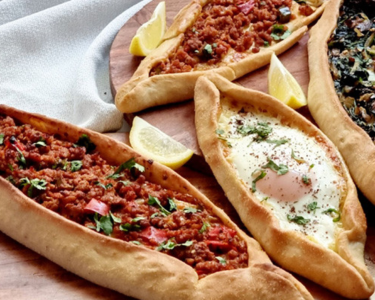
6. Pide
Pide is another popular Turkish flatbread dish.
The dough is shaped into a long, boat-like form and topped with ingredients such as minced meat, cheese, vegetables, or eggs before being baked.
Different regions and restaurants have their own versions.
Freshly baked pide is best enjoyed hot, making it a great option for lunch or dinner.
7. Mantı
Mantı consists of small dumplings filled with seasoned meat.
They are typically served with yogurt and a buttery sauce flavored with spices.
The dumplings are small, so preparing traditional mantı can be a time-consuming process.
For travelers interested in Turkish comfort food, this is a dish worth seeking out.
8. Köfte
Köfte refers to a broad range of Turkish meatballs or seasoned meat preparations.
Recipes vary throughout the country.
Some versions are grilled, while others are cooked differently and served with sauces or vegetables.
Köfte is widely available in restaurants and is a good choice if you want something traditional but relatively simple.
9. Gözleme
Gözleme is a thin Turkish flatbread filled with ingredients such as cheese, spinach, potatoes, or minced meat.
The dough is traditionally rolled very thin and cooked on a hot surface.
It is commonly enjoyed as a snack or casual meal.
You may find gözleme at markets, roadside restaurants, cafés, and traditional food establishments.
10. Börek
Börek is a family of flaky pastries made with thin layers of dough and various fillings.
Common fillings include:
- Cheese
- Spinach
- Minced meat
- Potatoes
Börek is popular for breakfast, snacks, or a quick meal.
Different regions have their own styles, so trying more than one version during your trip can be worthwhile.
11. Kumpir
Kumpir is a popular Turkish street food based around a large baked potato.
The potato is opened and mixed with butter and cheese, then topped with a wide variety of ingredients.
Depending on the restaurant, toppings may include:
- Olives
- Corn
- Pickles
- Sausages
- Salads
- Sauces
- Vegetables
Istanbul’s Ortaköy neighborhood is particularly associated with kumpir.
12. Midye Dolma
Midye dolma consists of mussels stuffed with seasoned rice, herbs, and spices.
They are commonly sold as street food, particularly in coastal cities.
The mussels are often eaten with a squeeze of lemon.
They are a great option for travelers who want to try something distinctly Turkish while exploring local streets and markets.
13. Balık Ekmek
Balık ekmek literally refers to fish served in bread.
It is a simple but popular street-food meal, particularly associated with Istanbul’s waterfront.
Grilled or cooked fish is placed inside bread and usually served with fresh vegetables and lemon.
Eating balık ekmek near the water can be a memorable part of an Istanbul food experience.
14. Baklava
Baklava is one of Turkey’s most famous desserts.
It is made with thin layers of pastry, nuts, and sweet syrup.
Pistachio-based versions are particularly popular.
The pastry is rich and sweet, so a small portion can be enough after a large Turkish meal.
For the best experience, try freshly prepared baklava from a traditional pastry shop.
15. Turkish Delight
Turkish delight, known locally as lokum, is a traditional sweet made from starch and sugar.
It comes in many varieties and may contain ingredients such as:
- Pistachios
- Hazelnuts
- Rose
- Lemon
- Orange
- Dried fruit
It is often enjoyed with Turkish coffee or tea and is also a popular souvenir.
Turkish Drinks You Should Try
Turkish cuisine is closely connected with its traditional drinks.
Turkish Tea
Turkish tea is served throughout the day and is an important part of everyday life.
You will find it in restaurants, cafés, shops, and homes.
Turkish Coffee
Turkish coffee is prepared using very finely ground coffee and traditionally served in a small cup.
It has a strong flavor and is often enjoyed slowly after a meal.
Ayran
Ayran is a refreshing yogurt-based drink made with yogurt, water, and salt.
It pairs especially well with grilled meats, kebabs, and other savory dishes.
Where to Experience Turkish Food
Istanbul is an excellent place to begin exploring Turkish cuisine because the city offers food from many regions of the country.
But don’t limit your culinary experience to Istanbul.
Gaziantep is famous for its food culture and pistachio-based desserts.
Adana is known for its kebabs.
Izmir and the Aegean region offer fresh seafood, vegetables, olive oil-based dishes, and Mediterranean flavors.
Antalya is another excellent destination for combining Turkish cuisine with a Mediterranean coastal holiday.
Trying regional food is one of the best ways to understand how diverse Turkish cuisine really is.
Tips for Trying Food in Turkey
Don’t be afraid to eat at small local restaurants.
Some of the best meals can come from modest-looking establishments rather than expensive tourist restaurants.
Markets are also worth exploring because they allow you to try several small foods in one visit.
If you are visiting a busy tourist area, compare a few restaurants before choosing where to eat.
And remember that Turkish food is not simply about kebabs. Explore breakfast dishes, soups, pastries, vegetables, seafood, desserts, and regional specialties too.
Final Thoughts
Food is an important part of experiencing Turkey.
From a long Turkish breakfast and freshly baked pide to charcoal-grilled kebabs, street-food snacks, and pistachio-filled baklava, Turkish cuisine offers an incredible range of flavors.
The best approach is to try local specialties wherever you travel.
A food-focused trip through Turkey can take you far beyond the country’s famous landmarks and introduce you to the traditions, ingredients, and regional cultures that make Turkish cuisine so special.