
Japan is a country where ancient traditions and modern life exist side by side. From the busy streets of Tokyo and the historic temples of Kyoto to the snow-covered mountains of Hokkaido and the tropical islands of Okinawa, Japan offers an incredible variety of experiences.
Travelers can explore centuries-old temples, taste regional Japanese cuisine, ride high-speed trains, hike through mountain landscapes, relax in hot springs, and discover quiet villages far from the country’s major cities.
If you are planning your first trip to Japan, these destinations are a great place to start.
1. Tokyo
Tokyo is one of the world’s largest and most exciting cities. Its neighborhoods each offer a different experience, from the bright streets of Shibuya and Shinjuku to the traditional atmosphere of Asakusa.
Visitors can explore Tokyo Skytree, Meiji Shrine, Senso-ji Temple, Tsukiji Outer Market, and the city’s many shopping and entertainment districts.
Tokyo is also one of the best places to experience Japanese food, with everything from traditional sushi and ramen to modern restaurants and street food.
2. Kyoto
Kyoto is one of Japan’s most important destinations for history and traditional culture. The city is home to hundreds of temples and shrines, along with historic streets, gardens, and traditional wooden buildings.
Fushimi Inari Taisha, Kiyomizu-dera, Arashiyama Bamboo Grove, and the Gion district are among the places commonly included in a first visit.
Kyoto is particularly beautiful during spring and autumn, when seasonal landscapes add another dimension to the city’s historic surroundings.
3. Osaka
Osaka is known for its food, entertainment, shopping, and energetic atmosphere.
Dotonbori is one of the city’s most recognizable areas, with bright signs, restaurants, and street-food stalls along the canal. Osaka Castle is another major attraction and offers a look at the city’s history.
Osaka also makes a convenient base for visiting nearby destinations such as Kyoto and Nara.
4. Mount Fuji
Mount Fuji is one of Japan’s most recognizable natural landmarks. The perfectly shaped volcanic mountain has become an enduring symbol of the country.
There are several places where travelers can enjoy views of Mount Fuji, including the Fuji Five Lakes region and Hakone.
Climbing Mount Fuji is also possible during the official climbing season, but it requires preparation and depends on weather and trail conditions.
5. Nara
Nara is an excellent destination for travelers interested in Japanese history and traditional culture.
The city is home to Todaiji Temple, one of Japan’s most famous Buddhist temples, and Nara Park, where visitors can encounter the area’s famous free-roaming deer.
Nara is close enough to Kyoto and Osaka to make a convenient day trip, although staying overnight allows more time to explore after the busiest hours.
6. Hiroshima
Hiroshima is an important destination for understanding modern Japanese history.
The Hiroshima Peace Memorial Park and Atomic Bomb Dome are central to the city’s historical significance. Visitors can also explore museums and memorial sites that document the events of 1945 and their aftermath.
Nearby Miyajima provides a contrasting experience, with Itsukushima Shrine, traditional streets, forests, and views across the Seto Inland Sea.
7. Hokkaido
Hokkaido offers a very different landscape from Japan’s major urban centers.
The northern island is known for mountains, forests, national parks, wide-open landscapes, and winter snowfall. Sapporo is the region’s largest city and a useful base for exploring the island.
During winter, Hokkaido attracts visitors for skiing, snow activities, and seasonal scenery. Summer provides opportunities for hiking, road trips, and exploring flower fields and national parks.
8. Hakone
Hakone is a popular destination for travelers looking for mountain scenery, hot springs, and views of Mount Fuji.
The area is known for traditional Japanese inns, or ryokan, where visitors can experience Japanese hospitality and, in many cases, hot-spring baths.
A trip to Hakone can also include a lake cruise on Lake Ashi and visits to museums and scenic viewpoints.
9. Kanazawa
Kanazawa offers a more traditional Japanese experience without the scale of Kyoto’s tourism scene.
The city is known for Kenrokuen Garden, one of Japan’s most celebrated landscape gardens, as well as historic districts, traditional crafts, and local food.
Kanazawa can be a good choice for travelers who want to explore Japanese culture at a slower pace.
10. Takayama
Takayama is located in the mountainous Hida region and is known for its preserved historic streets and traditional architecture.
The old town contains wooden buildings, shops, restaurants, and local craft stores. The surrounding mountains also make the region attractive for travelers interested in nature.
Takayama can be combined with nearby destinations such as Shirakawa-go for a deeper look at rural Japan.
11. Shirakawa-go
Shirakawa-go is famous for its traditional farmhouses with steeply pitched thatched roofs.
The village is surrounded by mountains and looks particularly striking during winter when heavy snow covers the rooftops and landscape.
Visitors can explore the historic village, learn about its traditional architecture, and enjoy views from elevated observation points.
12. Okinawa
Okinawa offers a tropical side of Japan that feels very different from Tokyo, Kyoto, or the Japanese Alps.
The region is known for beaches, clear water, coral reefs, islands, and a distinctive local culture.
Travelers can enjoy snorkeling, diving, boat trips, beaches, and exploring historic sites. Okinawa is particularly suitable for travelers looking to combine Japanese culture with a relaxing island vacation.
13. Nikko
Nikko is surrounded by forests and mountains and is known for its historic temples and shrines.
Toshogu Shrine is the area’s most famous cultural attraction and is recognized for its detailed architecture and decoration.
Nikko also offers waterfalls, lakes, hiking trails, and mountain scenery, making it an excellent destination for combining cultural sightseeing with outdoor activities.
14. Kamakura
Kamakura is a historic coastal destination within easy reach of Tokyo.
The city is known for Buddhist temples, Shinto shrines, traditional streets, and the famous Great Buddha.
Its coastal setting makes Kamakura different from many other historic Japanese destinations. Travelers can explore temples in the morning and spend time near the beach later in the day.
15. Nagano
Nagano is surrounded by mountains and is known for its winter sports, temples, and access to the Japanese Alps.
The city hosted the 1998 Winter Olympics and remains a popular base for outdoor activities.
Nearby attractions include Zenko-ji Temple and the famous snow monkeys of Jigokudani, which can often be seen during the colder months.
Best Time to Visit Japan
Japan can be visited throughout the year, but each season offers a different experience.
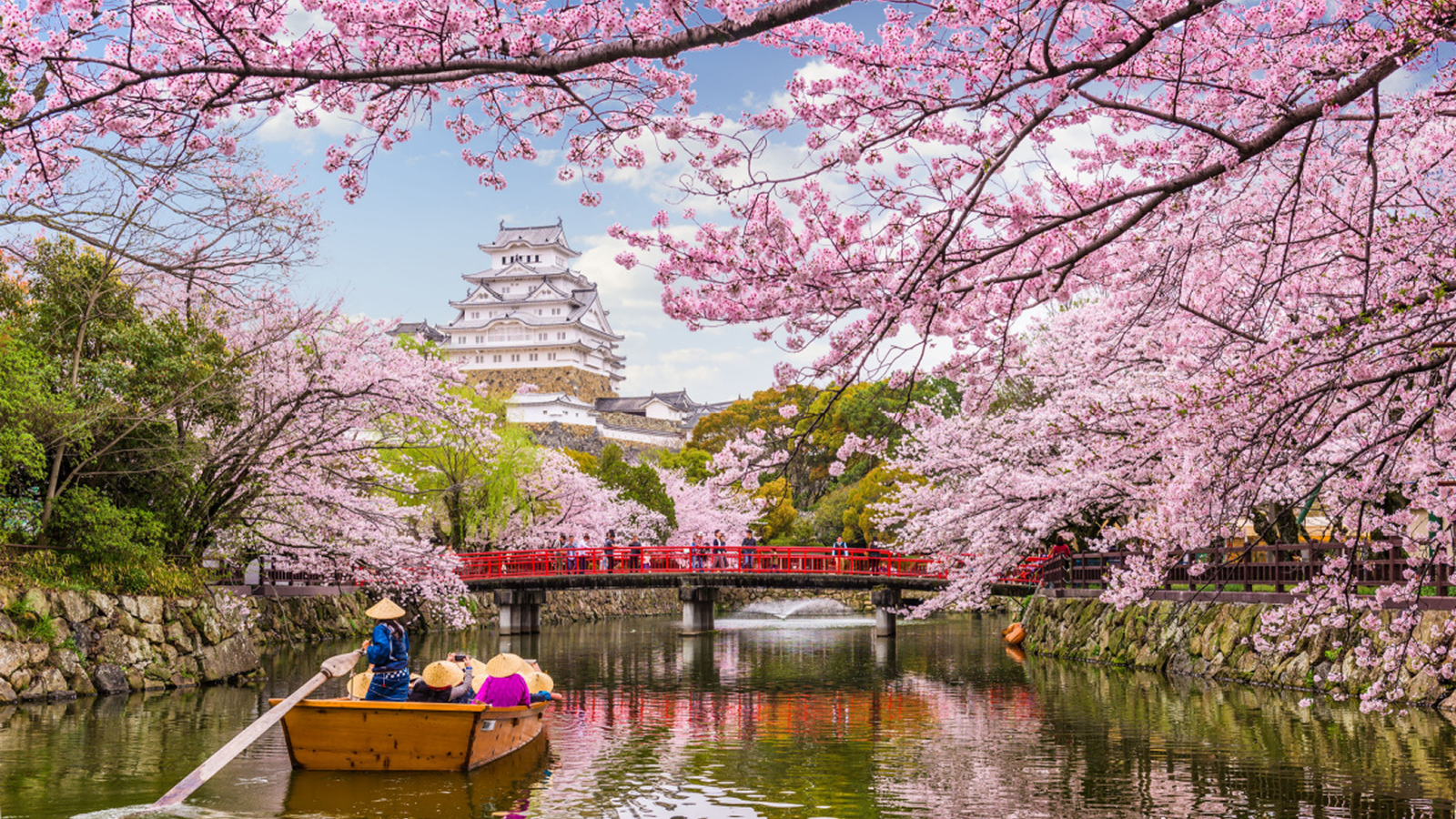
Spring is famous for cherry blossoms, although exact blooming periods vary by location and year. Major destinations can become extremely busy during peak blossom periods.
Summer brings warm weather and is popular for festivals, hiking, and exploring northern Japan, although some areas can be hot and humid.
Autumn is known for colorful foliage and comfortable conditions in many regions.
Winter is ideal for skiing, snow scenery, hot springs, and winter destinations such as Hokkaido and the Japanese Alps.
How Many Days Do You Need in Japan?
For a first visit, 10 to 14 days can provide enough time to experience several major destinations.
A typical first trip could combine Tokyo, Kyoto, Osaka, and one or two additional destinations such as Hakone, Nara, or Hiroshima.
Travelers with more time can explore Hokkaido, Okinawa, the Japanese Alps, or smaller regional destinations.
Japan’s extensive rail network makes it possible to travel between many major cities efficiently, although transport planning becomes more important when visiting multiple regions.
Final Thoughts
Japan offers an extraordinary combination of ancient traditions, modern cities, natural landscapes, regional food, and unique cultural experiences.
Tokyo provides energy and modernity, Kyoto showcases traditional Japan, Osaka is known for food and entertainment, while destinations such as Hokkaido, Okinawa, and the Japanese Alps reveal a very different side of the country.
Rather than trying to cover the entire country in one trip, choose a few regions that match your interests and give yourself enough time to explore them. Whether you are interested in temples, food, mountains, beaches, history, or modern Japanese culture, Japan offers countless ways to create a memorable journey.