
Italy is one of Europe’s most diverse travel destinations, combining historic cities, beautiful coastlines, mountain landscapes, world-famous cuisine, and charming towns. From the ancient streets of Rome and canals of Venice to the rolling hills of Tuscany and the dramatic Amalfi Coast, every region offers something different.
Whether you are planning your first Italian vacation, a romantic getaway, a food-focused trip, or a longer European adventure, these destinations are a great starting point for exploring Italy.
1. Rome
Rome is one of the best places to begin a trip to Italy. The capital is filled with thousands of years of history, impressive architecture, lively piazzas, and some of the country’s most famous landmarks.
The Colosseum, Roman Forum, Pantheon, Trevi Fountain, and Vatican City can all be included in a Rome itinerary. Beyond the major attractions, walking through neighborhoods such as Trastevere provides a chance to experience local restaurants, narrow streets, and a more relaxed side of the city.
2. Florence
Florence is closely connected with the Renaissance and is one of Italy’s most important cultural destinations.
The historic center is compact enough to explore on foot, with attractions including the Florence Cathedral, Ponte Vecchio, and Uffizi Gallery. Art lovers can spend days exploring the city’s museums and historic buildings.
Florence is also an excellent base for exploring Tuscany, with vineyards, countryside, and historic towns within easy reach.
3. Venice
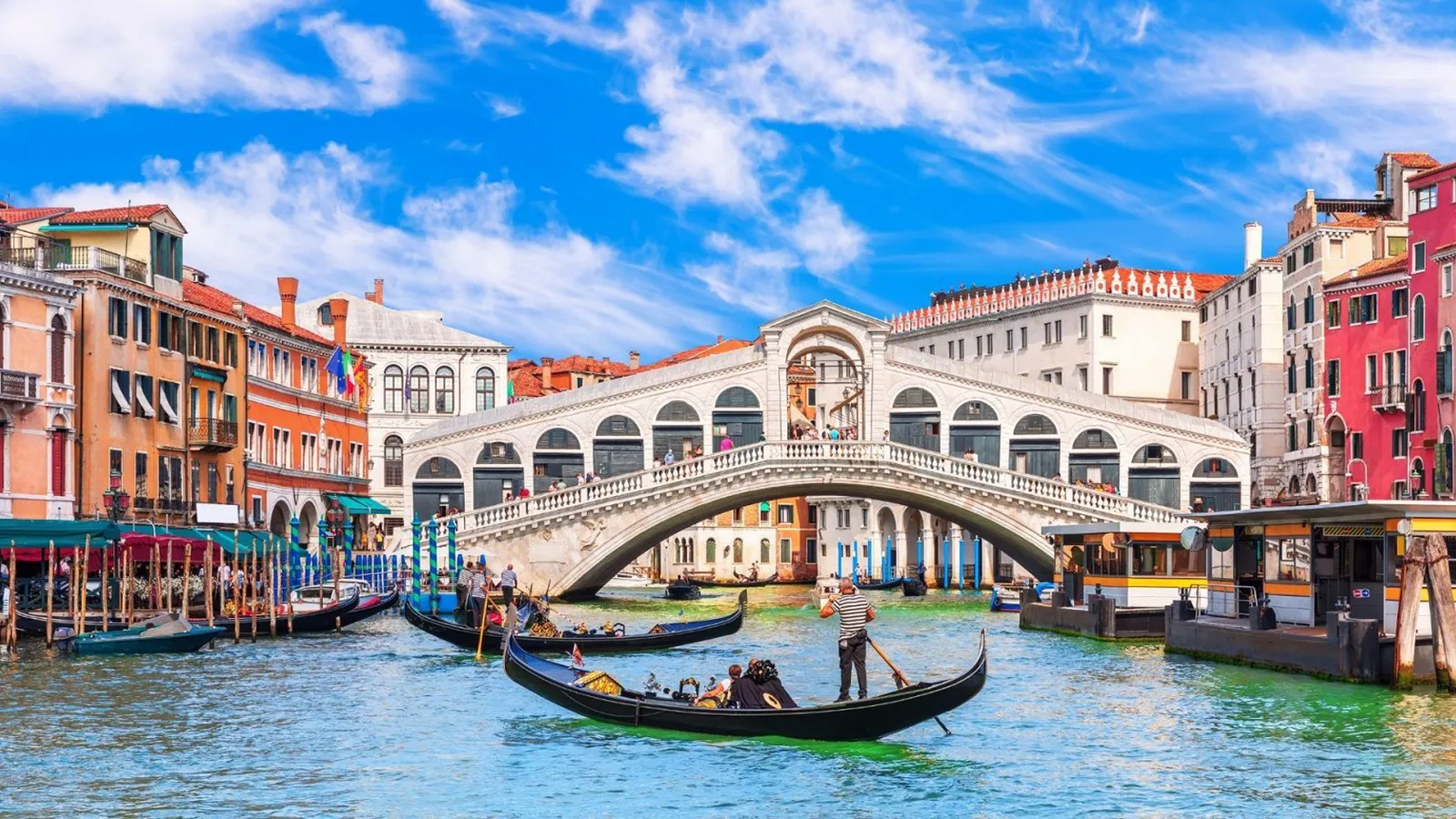
Venice is unlike almost any other city in the world. Built across a group of islands connected by bridges, the city is known for its canals, historic buildings, and unique atmosphere.
St. Mark’s Square, St. Mark’s Basilica, the Rialto Bridge, and the Grand Canal are among the most recognizable sights.
One of the best ways to experience Venice is simply to walk away from the busiest areas and explore its quieter streets and canals.
4. Amalfi Coast
The Amalfi Coast is famous for dramatic cliffs, colorful villages, Mediterranean views, and winding coastal roads.
Towns such as Positano, Amalfi, and Ravello offer different experiences, from seaside restaurants and beaches to gardens and panoramic viewpoints.
The region is particularly attractive for travelers who enjoy scenic drives, coastal walks, photography, and Italian food.
5. Tuscany
Tuscany is known for rolling hills, vineyards, olive groves, historic towns, and beautiful countryside.
While Florence is often the gateway to the region, destinations such as Siena, San Gimignano, and the Val d’Orcia offer a different perspective of Tuscany.
A road trip through the countryside is an excellent way to experience the region at a slower pace.
6. Milan
Milan is Italy’s major fashion and business center and offers a more modern urban experience than cities such as Florence or Venice.
The Duomo di Milano dominates the city center, while the Galleria Vittorio Emanuele II is one of the city’s most recognizable shopping arcades.
Milan is also an important destination for art and design, with Leonardo da Vinci’s The Last Supper among its most famous cultural attractions.
7. Cinque Terre
Cinque Terre consists of five coastal villages along the Ligurian coast: Monterosso al Mare, Vernazza, Corniglia, Manarola, and Riomaggiore.
The villages are surrounded by steep hills and dramatic coastal scenery. Hiking trails connect parts of the region, although trail conditions and access can vary.
Travelers can combine walks with train journeys and time exploring the villages, making Cinque Terre a good choice for a scenic coastal trip.
8. Lake Como
Lake Como is surrounded by mountains, elegant villages, historic villas, and beautiful waterfront landscapes.
Bellagio, Varenna, and Como are among the most popular places to explore around the lake.
Boat services make it possible to visit several lakeside towns without relying entirely on road transport. The area is especially appealing to travelers looking for a relaxed combination of scenery, food, and Italian lakeside culture.
9. Naples
Naples offers a lively and authentic urban experience with a strong food and cultural identity.
The city is famous for its pizza, historic center, churches, museums, and proximity to Mount Vesuvius and Pompeii.
Naples can also serve as a base for exploring the surrounding Campania region, including the Amalfi Coast and nearby islands.
10. Sicily
Sicily offers a combination of beaches, ancient ruins, mountains, villages, and distinctive cuisine.
Palermo provides an introduction to the island’s history and culture, while destinations such as Taormina offer dramatic coastal and mountain views.
Mount Etna is another major attraction and provides opportunities for exploring one of Europe’s most active volcanoes.
11. Sardinia
Sardinia is known for its clear water, beaches, rugged coastline, and Mediterranean landscapes.
The island offers a quieter alternative to some of Italy’s more heavily visited destinations. Travelers can explore coastal towns, beaches, archaeological sites, and inland villages.
The Costa Smeralda is particularly known for its beaches and upscale resorts.
12. Bologna
Bologna is one of Italy’s best destinations for travelers interested in food and history.
The city is known for its historic porticoes, medieval architecture, and strong culinary traditions. Local dishes and ingredients are an important part of the travel experience.
Bologna’s location also makes it convenient for exploring other parts of northern and central Italy by train.
13. Verona
Verona is best known for its connection to Shakespeare’s Romeo and Juliet, but the city offers much more than literary history.
Its historic center contains Roman architecture, medieval streets, elegant piazzas, and the Verona Arena.
The city is compact and can be explored comfortably over a short stay, making it an easy addition to a northern Italy itinerary.
14. Lake Garda
Lake Garda is Italy’s largest lake and is surrounded by mountains, villages, beaches, and scenic roads.
Popular destinations around the lake include Sirmione, Riva del Garda, and Malcesine.
Visitors can enjoy boat trips, hiking, cycling, water activities, and lakeside dining. The northern section has a particularly dramatic mountain setting.
15. Dolomites
The Dolomites offer some of Italy’s most impressive mountain scenery.
Located in northeastern Italy, the region is known for dramatic limestone peaks, alpine meadows, mountain villages, and scenic hiking routes.
Summer is popular for hiking and outdoor activities, while winter attracts travelers interested in skiing and snow-covered mountain landscapes.
Best Time to Visit Italy
Italy can be visited throughout the year, but the best time depends on your destination and travel plans.
Spring is generally a pleasant season for city sightseeing, countryside trips, and coastal travel.
Summer is popular for beaches, mountain destinations, and longer days, although major tourist areas can become busy.
Autumn offers comfortable conditions in many regions and is particularly attractive for food, wine, and countryside experiences.
Winter can be a good time for exploring major cities with fewer visitors, while the Italian Alps become popular for winter sports.
How Many Days Do You Need in Italy?
For a first trip, 10 to 14 days allows you to experience several different parts of Italy without trying to cover the entire country.
A shorter trip could focus on Rome and Florence, or Venice and northern Italy.
With two weeks or more, you can combine major cities with destinations such as Tuscany, the Amalfi Coast, Lake Como, or the Dolomites.
Because Italy has an extensive rail network, trains are particularly useful for connecting many major cities.
Final Thoughts
Italy offers an extraordinary mix of history, culture, landscapes, food, and unforgettable cities. Rome provides ancient history, Florence offers Renaissance art, Venice brings a unique canal-filled setting, and destinations such as the Amalfi Coast and Dolomites showcase some of the country’s most dramatic scenery.
Instead of trying to see everything in one trip, choose a few regions that match your interests and explore them properly. Whether your ideal Italian vacation involves museums and historic streets, coastal villages, mountain adventures, or long meals with local food, Italy has a destination to match it.