
Spain is one of Europe’s most diverse travel destinations, combining historic cities, Mediterranean beaches, dramatic mountains, world-famous architecture, traditional villages, excellent food, and vibrant local culture.
From the streets of Barcelona and Madrid to the white villages of Andalusia and the beaches of Mallorca, Spain offers something for almost every type of traveler.
If you’re planning your first trip, these 15 destinations are a great starting point for exploring the country.
1. Barcelona
Barcelona is one of Spain’s most famous cities and an excellent introduction to the country.
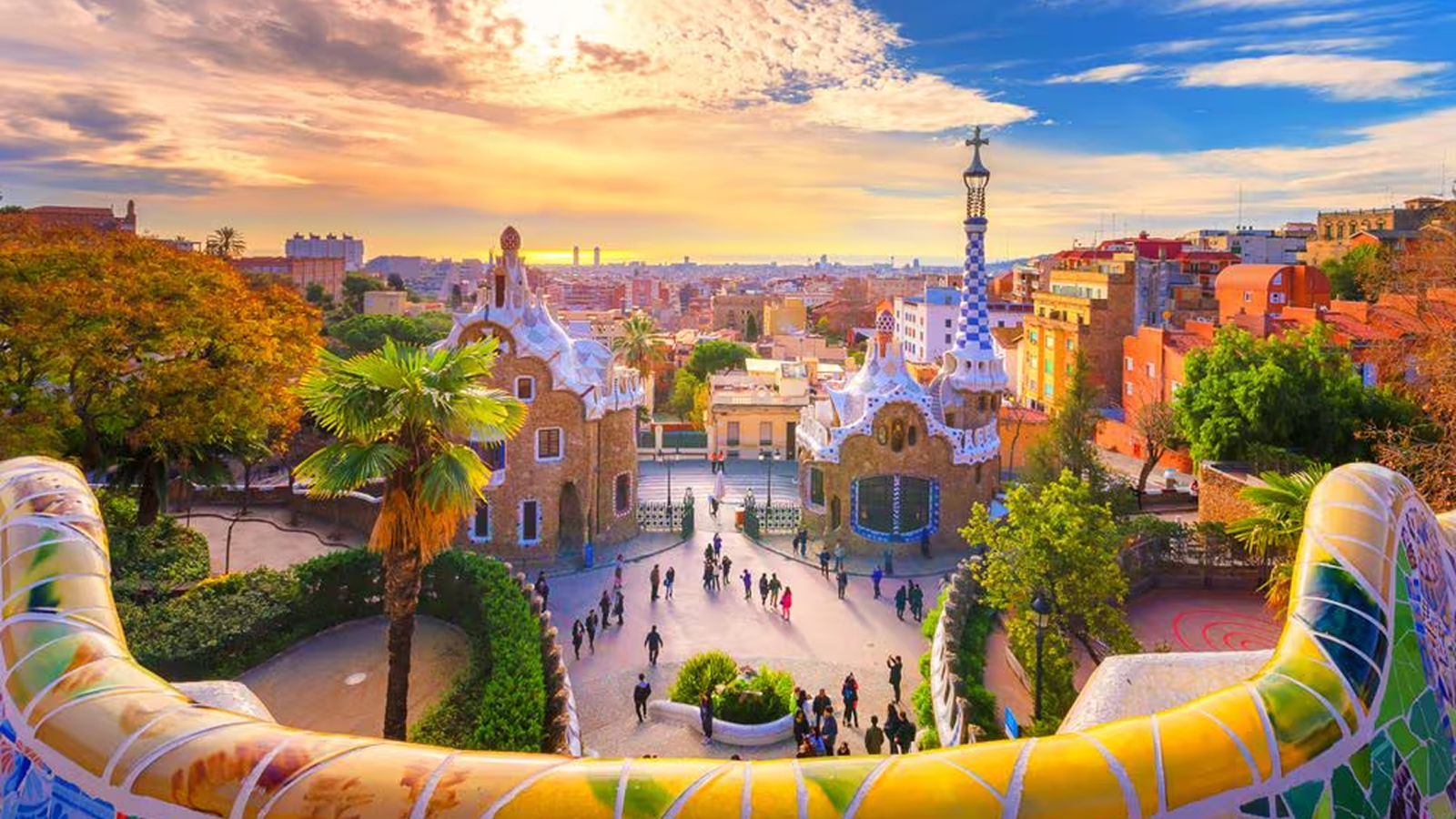
The city is best known for the extraordinary architecture of Antoni Gaudí, including the Sagrada Família, Park Güell, and Casa Batlló.
Spend time walking through the Gothic Quarter, exploring the waterfront, and enjoying Barcelona’s food scene.
Don’t try to see every attraction in a single day. Barcelona is a city worth exploring slowly, with time for cafés, markets, architecture, and neighborhood walks.
Best for: Architecture, food, beaches, culture, and city breaks.
2. Madrid
Madrid is Spain’s capital and one of Europe’s most enjoyable cities for art, food, and culture.
Visit the Prado Museum, explore the Royal Palace, and walk through the historic center.
Madrid is also famous for its parks and public squares. Retiro Park is a particularly pleasant place to spend a few hours away from the busy streets.
The city’s food culture is another major attraction, with tapas bars, traditional restaurants, markets, and modern dining experiences.
Best for: Art, museums, food, history, and nightlife.
3. Seville
Seville captures many of the images travelers associate with southern Spain.
The city is known for orange-tree-lined streets, historic architecture, traditional courtyards, flamenco, and lively plazas.
The Real Alcázar of Seville is one of the city’s major attractions, while Seville Cathedral and the Giralda provide another important historical experience.
Spend an evening exploring the Triana neighborhood and enjoy a traditional Andalusian meal.
Best for: Architecture, culture, food, flamenco, and couples.
4. Granada
Granada is home to one of Spain’s most extraordinary historical landmarks: the Alhambra.
The palace and fortress complex sits above the city and combines Islamic architecture, gardens, courtyards, and spectacular views.
The Albaicín neighborhood is another highlight, with narrow streets climbing through the historic hillside.
Granada is also known for its tapas culture, making it a great destination for travelers who want to combine history with food.
Best for: History, architecture, food, photography, and culture.
5. Mallorca
Mallorca is one of Spain’s most popular Mediterranean islands.
The island offers beautiful beaches, mountain landscapes, historic towns, coastal roads, and charming villages.
Palma, the capital, is a good base for exploring the island, with its cathedral, old town, restaurants, and waterfront.
For a more scenic experience, explore the Serra de Tramuntana, a mountain range running along the northwest of the island.
Best for: Beaches, road trips, hiking, couples, and island holidays.
6. Valencia
Valencia offers a combination of historic architecture, modern design, beaches, and food.
The city is the birthplace of paella, making it an important destination for food lovers.
Explore the historic center before visiting the City of Arts and Sciences, one of the city’s most distinctive modern landmarks.
Valencia’s beaches also make it possible to combine a city break with time beside the Mediterranean.
Best for: Food, beaches, architecture, and city breaks.
7. San Sebastián
San Sebastián is one of Spain’s most attractive coastal cities and is particularly famous for food.
The city sits around a beautiful bay and combines beaches with historic streets, restaurants, and viewpoints.
La Concha Beach is one of the city’s most recognizable locations.
San Sebastián is also known for its pintxos, small dishes served in bars throughout the city.
Spend an evening walking between different pintxos bars and trying regional specialties.
Best for: Food, beaches, couples, and coastal scenery.
8. Málaga
Málaga is one of the main gateways to southern Spain and offers more than just access to the Costa del Sol.
The city has a historic center, museums, beaches, restaurants, and a lively waterfront.
Visit the Alcazaba, explore the Roman Theatre, and spend time around the port.
Málaga also works well as a base for exploring other destinations in Andalusia.
Best for: Beaches, culture, food, and southern Spain road trips.
9. Córdoba
Córdoba is one of Andalusia’s most fascinating historic cities.
The city’s greatest attraction is the Mezquita-Catedral, a remarkable building that reflects centuries of religious and architectural history.
The old Jewish Quarter is also worth exploring, with narrow streets, whitewashed buildings, courtyards, and small shops.
Córdoba works particularly well as a stop between Seville and Granada.
Best for: History, architecture, culture, and photography.
10. Ronda
Ronda is one of the most dramatic towns in Andalusia.
The town is built around the deep El Tajo gorge, with historic buildings and bridges connecting different parts of the city.
The Puente Nuevo provides spectacular views across the surrounding landscape.
Ronda is particularly beautiful when explored slowly, with time for viewpoints, local restaurants, and walks through the old town.
Best for: Scenic landscapes, photography, road trips, and couples.
11. Bilbao
Bilbao provides a completely different experience from southern Spain.
Located in the Basque Country, the city combines modern architecture, industrial heritage, green hills, and excellent food.
The Guggenheim Museum Bilbao is one of the city’s defining landmarks.
Explore the old town, try pintxos, and use Bilbao as a base for discovering the surrounding Basque countryside.
Best for: Architecture, food, art, and culture.
12. Santiago de Compostela
Santiago de Compostela is best known as the destination of the Camino de Santiago, one of Europe’s most famous pilgrimage routes.
The city’s historic center is filled with stone buildings, narrow streets, squares, and historic churches.
The Cathedral of Santiago is the main landmark and the traditional endpoint for pilgrims completing the Camino.
Even if you’re not walking the pilgrimage route, Santiago is an interesting cultural destination in its own right.
Best for: History, culture, walking, architecture, and pilgrimage experiences.
13. Tenerife
Tenerife is the largest of Spain’s Canary Islands and offers an impressive variety of landscapes.
The island is home to Mount Teide, Spain’s highest peak, as well as volcanic landscapes, beaches, forests, and coastal towns.
The Teide National Park is one of the island’s major attractions.
Tenerife works well for both relaxing beach holidays and active outdoor trips.
Best for: Beaches, hiking, volcanic landscapes, families, and winter sun.
14. Ibiza
Ibiza is famous around the world for its nightlife, but the island has another side that is easy to overlook.
Away from the major clubs, you’ll find quiet coves, traditional villages, pine-covered hills, and beautiful Mediterranean landscapes.
Explore smaller beaches and coastal areas during the day, then experience the island’s famous nightlife after sunset if that interests you.
Best for: Beaches, nightlife, couples, and Mediterranean scenery.
15. Menorca
Menorca is often quieter than neighboring Mallorca and Ibiza.
The island is known for turquoise-water coves, beaches, historic towns, and peaceful countryside.
It’s a good choice for travelers who want a slower Mediterranean holiday.
Spend your days exploring beaches, walking coastal trails, visiting Ciutadella, or simply enjoying long meals in local restaurants.
Best for: Beaches, relaxation, families, couples, and nature.
Which Part of Spain Should You Visit?
Spain is large enough that choosing a region can make your trip much easier.
For first-time city trips
Choose:
- Madrid
- Barcelona
- Valencia
- Seville
For history and architecture
Consider:
- Granada
- Córdoba
- Seville
- Santiago de Compostela
For beaches
Consider:
- Mallorca
- Menorca
- Tenerife
- Málaga
- Valencia
For food
Consider:
- San Sebastián
- Valencia
- Bilbao
- Madrid
- Seville
For road trips
Consider:
- Andalusia
- Mallorca
- Basque Country
- Northern Spain
How Long Do You Need in Spain?
For a first trip, 7 to 10 days can provide a good introduction to one region or several major cities.
A classic first itinerary could be:
Madrid → Seville → Córdoba → Granada
Another option is:
Barcelona → Valencia → Mallorca
With two weeks or more, you can combine several regions while keeping the pace manageable.
Spain’s high-speed trains make traveling between major cities relatively convenient, but distances can still add up.
Best Time to Visit Spain
Spain can be visited throughout the year, but the ideal season depends on where you’re going.
Spring is excellent for sightseeing, especially in cities and Andalusia.
Summer is ideal for beaches and islands but can be extremely hot in inland cities.
Autumn provides comfortable conditions for city trips, food experiences, and countryside travel.
Winter is a good time for southern Spain and city breaks, while northern mountain areas offer opportunities for winter activities.
Final Thoughts
Spain is much more than Barcelona and Madrid.
The country’s regions have their own architecture, food traditions, landscapes, and cultural identities.
You can explore Moorish architecture in Granada, eat pintxos in San Sebastián, relax on a Mediterranean beach in Mallorca, walk through historic streets in Seville, or explore volcanic landscapes in Tenerife.
For a first trip, choose a region or a small group of destinations rather than trying to cover the entire country.
Give yourself time to enjoy the food, neighborhoods, landscapes, and local atmosphere.
The best Spanish experiences often happen when you slow down and allow yourself to explore beyond the major tourist attractions.