Australia is a destination where dramatic coastlines, ancient landscapes, tropical islands, modern cities, rainforests, deserts, and unique wildlife come together.
Because the country is so large, trying to see everything in one trip isn’t practical. Instead, the best approach is to choose a few regions based on the type of experience you want.
From the Sydney coastline and Great Barrier Reef to Uluru, Tasmania, and the Great Ocean Road, these are 15 of the most beautiful places to visit in Australia.
1. Sydney
Sydney is one of Australia’s most recognizable cities and an excellent starting point for a first trip.
The city combines a spectacular harbor, beaches, historic neighborhoods, restaurants, and cultural attractions.
The Sydney Opera House and Sydney Harbour Bridge are obvious highlights, but don’t stop there.
Walk around The Rocks, explore Circular Quay, and spend some time at Bondi Beach.
The Bondi to Coogee coastal walk is another excellent way to experience Sydney’s coastline, with beaches, cliffs, viewpoints, and swimming areas along the route.
Best for: First-time visitors, beaches, city breaks, food, and coastal scenery.
2. Great Barrier Reef
The Great Barrier Reef is one of Australia’s most famous natural attractions.
Located off the coast of Queensland, the reef stretches for a vast distance and contains an extraordinary variety of marine life.
Popular bases for reef experiences include Cairns, Port Douglas, and the Whitsunday region.
Depending on your interests, you can explore the reef by snorkeling, diving, boat tours, or scenic flights.
Conditions vary by location and season, so choose your reef experience based on the region you’re visiting.
Best for: Snorkeling, diving, marine life, and adventure.
3. Uluru
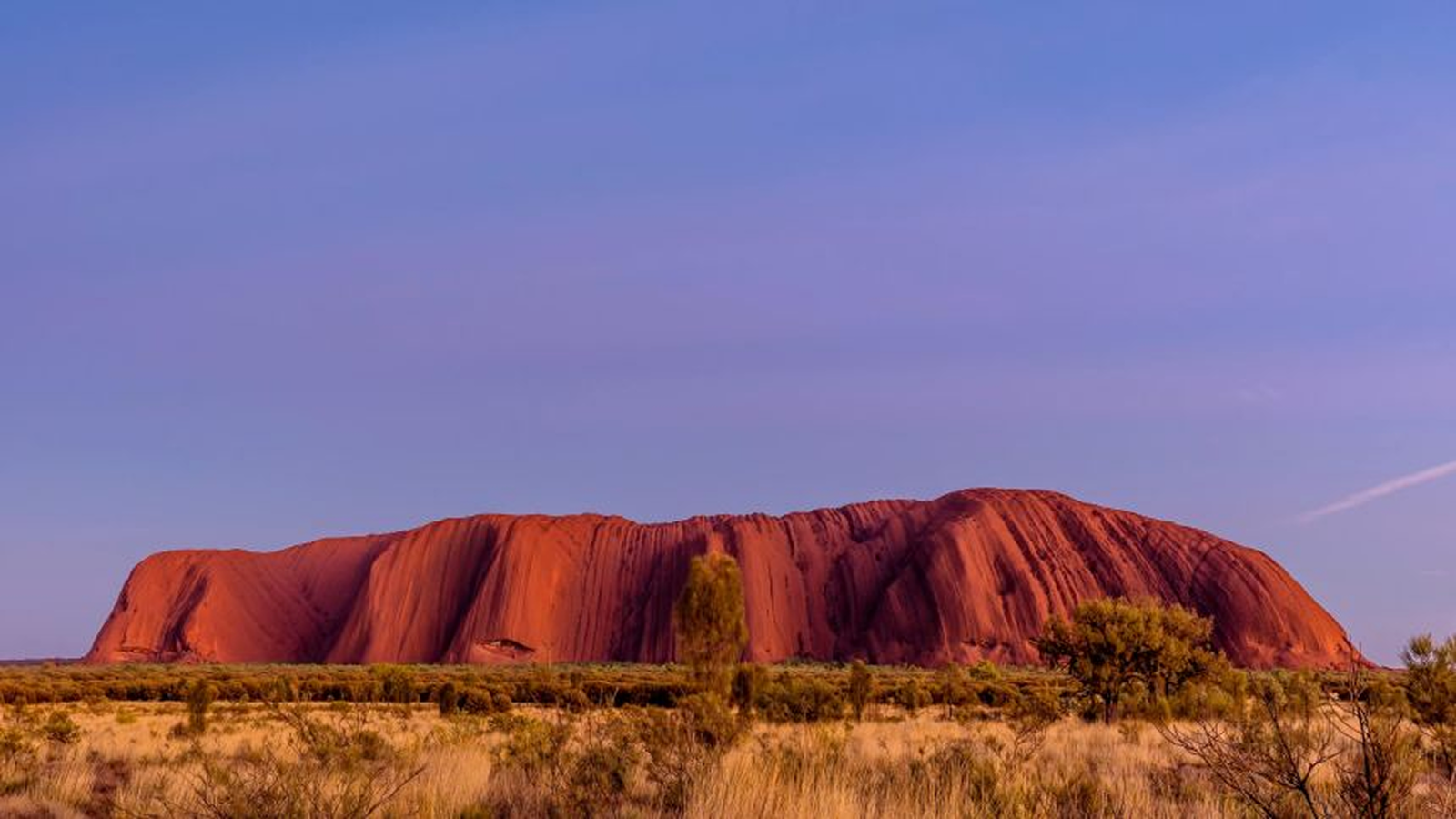
Uluru is one of Australia’s most iconic natural landmarks.
The enormous sandstone formation rises dramatically from the surrounding landscape in the Northern Territory.
The area has deep cultural significance for the Anangu people, the Traditional Owners of Uluru-Kata Tjuta National Park.
Visitors can learn about the area’s cultural heritage while exploring the surrounding landscape.
Uluru is particularly striking around sunrise and sunset, when changing light creates dramatic colors across the rock and surrounding desert.
Best for: Nature, culture, photography, and unique landscapes.
4. Great Ocean Road
The Great Ocean Road is one of Australia’s most famous scenic drives.
Located in Victoria, the route follows the southern coastline through beaches, cliffs, forests, and small coastal communities.
One of its best-known attractions is the Twelve Apostles, a collection of limestone stacks rising from the Southern Ocean.
Don’t treat the Great Ocean Road simply as a journey between two points.
Allow time to stop at viewpoints, explore beaches, walk through rainforest, and visit smaller towns along the route.
Best for: Road trips, photography, coastal scenery, and adventure.
5. Melbourne
Melbourne offers a very different experience from Sydney.
The city is known for its cafés, restaurants, art, architecture, sports, and distinctive neighborhoods.
Spend time exploring the laneways around the city center, visit galleries and museums, and try some of Melbourne’s diverse food scene.
Melbourne is also an excellent base for exploring Victoria, including the Great Ocean Road and Yarra Valley.
Best for: Food, culture, coffee, art, and city breaks.
6. Whitsunday Islands
The Whitsunday Islands are located off the coast of Queensland and are known for clear water, tropical landscapes, and beautiful beaches.
Whitehaven Beach is the region’s most famous attraction, with remarkably white sand and turquoise water.
You can explore the islands by boat, sail between beaches, snorkel, or simply spend time enjoying the tropical environment.
Airlie Beach is a popular base for exploring the Whitsundays.
Best for: Beaches, sailing, snorkeling, couples, and tropical escapes.
7. Tasmania
Tasmania offers a completely different side of Australia.
The island is known for rugged coastlines, mountains, forests, wildlife, and historic towns.
Hobart is a convenient starting point, while destinations such as Freycinet National Park, Cradle Mountain, and the Tasman Peninsula provide spectacular natural scenery.
Tasmania is particularly suitable for travelers who enjoy hiking, road trips, food, and wilderness.
Give yourself enough time to explore because the island is larger than it may appear on a map.
Best for: Nature, hiking, road trips, wildlife, and food.
8. Blue Mountains
The Blue Mountains are located west of Sydney and make an excellent escape from the city.
The region is known for dramatic sandstone cliffs, eucalyptus forests, waterfalls, and hiking trails.
Echo Point and the Three Sisters are among the area’s most recognizable viewpoints.
You can also explore walking trails through valleys and forests.
The Blue Mountains can be visited as a day trip from Sydney, but staying overnight gives you more time to explore.
Best for: Hiking, nature, photography, and day trips.
9. Kakadu National Park
Kakadu National Park in the Northern Territory is one of Australia’s most important natural and cultural landscapes.
The park contains wetlands, rivers, waterfalls, forests, rock formations, and ancient Aboriginal rock art.
Wildlife can include crocodiles, waterbirds, wallabies, and many other native species.
The landscape changes significantly between wet and dry seasons, so check conditions and access information before planning your visit.
Best for: Wildlife, Aboriginal culture, landscapes, and adventure.
10. Daintree Rainforest
The Daintree Rainforest in Queensland is one of the world’s oldest tropical rainforest environments.
Located north of Cairns, it combines dense rainforest with rivers, beaches, mountains, and diverse wildlife.
The region is part of the Wet Tropics of Queensland and offers several ways to explore the environment.
You can take guided rainforest walks, explore boardwalks, cruise through waterways, or continue toward Cape Tribulation.
The combination of rainforest and coastline makes the area particularly distinctive.
Best for: Rainforests, wildlife, hiking, and nature.
11. Margaret River
Margaret River in Western Australia is known for vineyards, beaches, forests, caves, and excellent food.
The region offers a good combination of outdoor activities and culinary experiences.
Spend the morning visiting wineries, then explore the coastline or nearby forests in the afternoon.
The area is also popular for surfing, particularly around its exposed western coastline.
Margaret River works especially well as part of a longer road trip from Perth.
Best for: Wine, food, beaches, surfing, and road trips.
12. Karijini National Park
Karijini National Park in Western Australia offers some of the country’s most dramatic inland scenery.
The park is characterized by deep gorges, red rock formations, pools, waterfalls, and rugged landscapes.
Walking into the gorges can reveal a completely different environment from the dry landscape above.
Because the park is remote, visitors should prepare carefully and check current access and weather conditions before traveling.
Best for: Adventure, hiking, photography, and dramatic landscapes.
13. Kangaroo Island
Kangaroo Island, located off South Australia’s coast, is known for wildlife and natural landscapes.
The island is home to seals, kangaroos, koalas, seabirds, and other native animals.
Flinders Chase National Park is one of the major areas to explore, with coastal scenery and distinctive rock formations.
Kangaroo Island also has a strong food and agricultural scene, making it interesting for travelers who want to combine wildlife with local produce.
Best for: Wildlife, nature, food, and photography.
14. Byron Bay
Byron Bay is one of Australia’s best-known coastal destinations.
The town has a relaxed atmosphere, beaches, cafés, restaurants, and opportunities for surfing and outdoor activities.
Walk toward the Cape Byron Lighthouse for spectacular coastal views.
The surrounding region also offers waterfalls, forests, farms, and smaller communities.
Byron Bay works well for travelers who want a slower coastal experience after visiting larger Australian cities.
Best for: Beaches, surfing, wellness, food, and relaxed travel.
15. Ningaloo Reef
Ningaloo Reef on Western Australia’s Coral Coast is another extraordinary marine destination.
The reef sits close to the coastline, making it possible to experience marine life without traveling far offshore.
Depending on the season and local conditions, visitors may encounter whale sharks, manta rays, turtles, colorful fish, and coral.
Exmouth is one of the main bases for exploring the Ningaloo Coast.
Compared with Australia’s more famous east-coast destinations, the region can feel considerably more remote.
Best for: Marine life, snorkeling, diving, wildlife, and adventure.
How to Choose Where to Go in Australia
Australia is too large to experience properly in a single short trip.
Instead, choose destinations based on your interests.
For beaches
Consider:
- Whitsunday Islands
- Bondi Beach
- Byron Bay
- Ningaloo Reef
- Great Ocean Road
For wildlife
Consider:
- Tasmania
- Kangaroo Island
- Kakadu
- Ningaloo Reef
- Great Barrier Reef
For road trips
Consider:
- Great Ocean Road
- Tasmania
- Queensland coast
- Margaret River
- Northern Territory
For hiking and nature
Consider:
- Blue Mountains
- Tasmania
- Kakadu
- Karijini
- Daintree Rainforest
For food and wine
Consider:
- Melbourne
- Margaret River
- Tasmania
- Sydney
- Adelaide region
How Long Do You Need in Australia?
For a first trip, 10 to 14 days can provide an introduction to one or two regions.
A two-week trip could focus on:
Sydney → Blue Mountains → Great Barrier Reef
or
Melbourne → Great Ocean Road → Tasmania
Trying to combine Sydney, Melbourne, Queensland, Western Australia, and the Northern Territory in two weeks would involve significant travel.
If you have three weeks or more, you can combine several regions while still allowing enough time to enjoy each destination.
Best Time to Visit Australia
Australia’s seasons are opposite to those in the Northern Hemisphere.
Summer: December to February
Autumn: March to May
Winter: June to August
Spring: September to November
The best season depends heavily on where you’re traveling.
Summer can be excellent for southern destinations such as Melbourne and Tasmania, while northern tropical regions can experience a wet season.
Winter can be particularly attractive for Queensland and northern Australia.
Always consider the climate of the specific region rather than treating Australia as having one nationwide travel season.
Final Thoughts
Australia is one of those destinations where the journey can be just as memorable as the destination itself.
You can explore a major city in the morning, drive along a spectacular coastline in the afternoon, and finish the day surrounded by wilderness.
The biggest challenge is deciding where to go.
Rather than trying to collect as many destinations as possible, choose a region that matches your interests and explore it properly.
Whether you want beaches, wildlife, road trips, mountains, rainforests, food, or adventure, Australia has an enormous variety of experiences waiting to be discovered.