
Vietnam is one of Southeast Asia’s most rewarding destinations for travelers looking for a combination of dramatic landscapes, historic cities, beautiful coastlines, and incredible food.
From the busy streets of Ho Chi Minh City to the limestone islands of Ha Long Bay and the peaceful rice terraces of northern Vietnam, every region offers something different.
The country is also ideal for travelers who enjoy exploring at their own pace. You can spend a few days discovering cities, take a scenic train journey, explore ancient towns, or simply slow down along the coast.
If you are planning your first trip to Vietnam, these are 10 of the best places to include in your itinerary.
1. Hanoi
Hanoi is one of the best places to begin exploring Vietnam.
The capital combines historic architecture, traditional neighborhoods, lakes, temples, markets, cafés, and some of the country’s best-known dishes.
The Old Quarter is particularly interesting for first-time visitors. Its narrow streets are filled with shops, restaurants, street-food stalls, and traditional buildings.
Make time to explore beyond the main tourist streets as well. Hoan Kiem Lake, the Temple of Literature, and the city’s many cafés offer a different perspective of Hanoi.
Best for
History, culture, food, photography, and city breaks.
2. Ha Long Bay
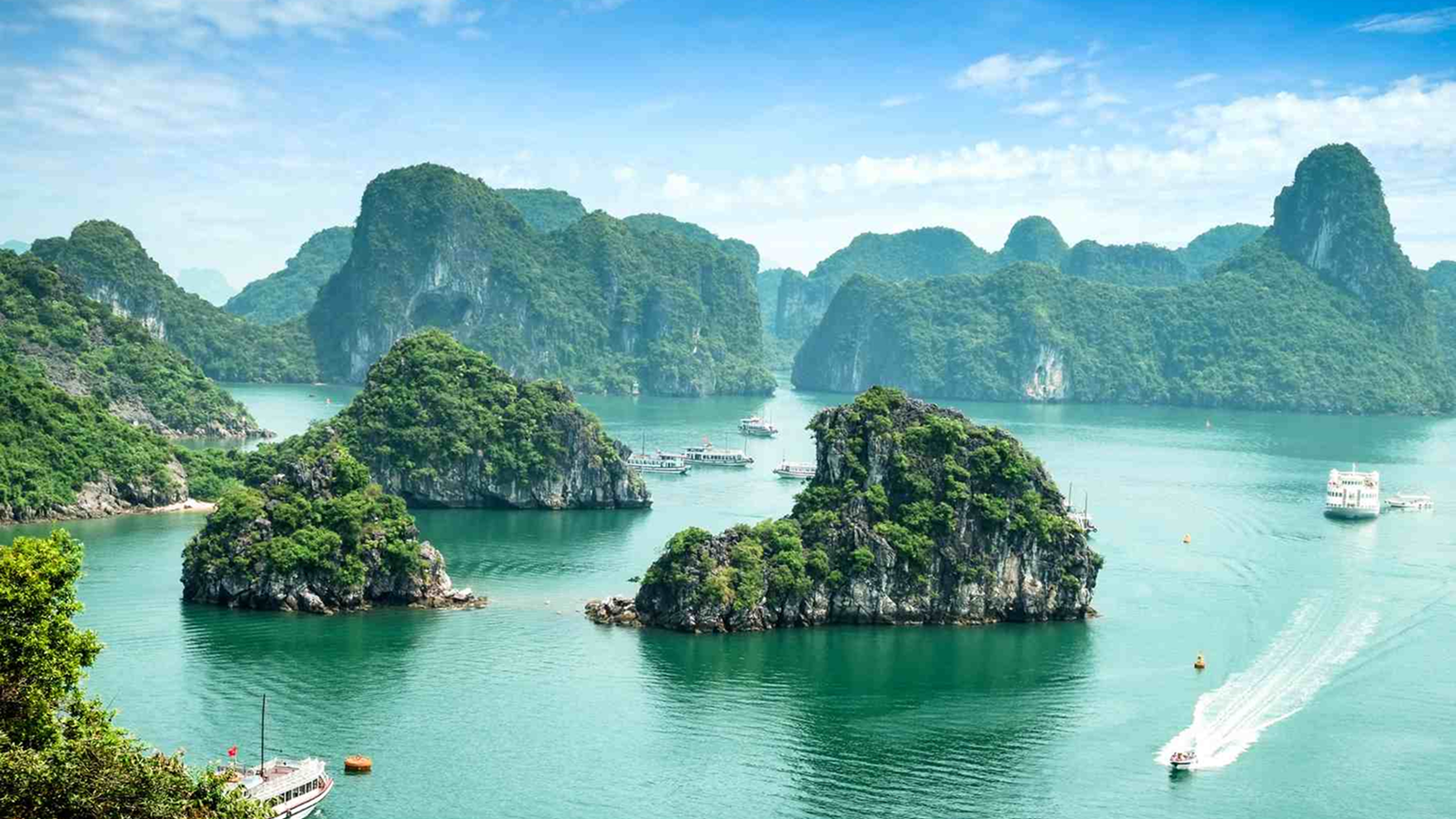
Ha Long Bay is one of Vietnam’s most recognizable natural attractions.
The bay is known for its towering limestone islands rising from emerald-colored water.
A boat trip is one of the best ways to experience the landscape. Depending on your schedule, you can choose a day cruise or spend one or more nights on a boat.
For a more relaxed experience, look for itineraries that allow enough time to enjoy the scenery rather than rushing from one activity to another.
Best for
Nature, photography, couples, cruises, and scenic travel.
3. Hoi An
Hoi An is one of Vietnam’s most atmospheric destinations.
The historic town is known for its colorful buildings, lanterns, riverside streets, traditional architecture, cafés, restaurants, and tailor shops.
The old town is particularly enjoyable in the evening when lanterns illuminate the streets.
You can also use Hoi An as a base for exploring nearby beaches and countryside.
Best for
Couples, culture, food, photography, and relaxed travel.
4. Ho Chi Minh City
Ho Chi Minh City offers a very different atmosphere from Hanoi.
It is a fast-moving city filled with modern buildings, historic landmarks, markets, restaurants, cafés, and busy streets.
Popular attractions include the War Remnants Museum, Notre-Dame Cathedral Basilica area, Ben Thanh Market, and the city’s historic center.
One of the best ways to experience the city is through its food. Street-food tours and local restaurants can introduce you to dishes from different parts of Vietnam.
Best for
Food, history, nightlife, shopping, and city experiences.
5. Da Nang
Da Nang is a modern coastal city with beaches, restaurants, mountains, and easy access to other attractions in central Vietnam.
My Khe Beach is one of the city’s most popular coastal areas, while the Marble Mountains offer an opportunity to explore caves, temples, and viewpoints.
Da Nang is also conveniently located for visiting Hoi An and other destinations in central Vietnam.
Best for
Beaches, families, food, city breaks, and exploring central Vietnam.
6. Ninh Binh
Ninh Binh is one of the best destinations in Vietnam for dramatic natural scenery.
The region is characterized by limestone mountains, rivers, rice fields, and peaceful countryside.
Boat trips through areas such as Trang An allow you to travel through waterways surrounded by towering limestone formations.
Cycling through the countryside is another excellent way to experience the region.
Best for
Nature, photography, cycling, couples, and slow travel.
7. Sapa
Sapa is located in northern Vietnam and is known for mountain landscapes, rice terraces, valleys, and local communities.
The surrounding region offers excellent opportunities for hiking.
Depending on your route and fitness level, you can take shorter walks around the valleys or plan longer treks through the surrounding countryside.
Sapa is particularly attractive for travelers who want to experience a completely different landscape from Vietnam’s major cities.
Best for
Hiking, mountains, photography, nature, and adventure.
8. Phu Quoc
Phu Quoc is a tropical island in southern Vietnam known for beaches, resorts, clear water, and a more relaxed atmosphere.
It is a good destination to add at the end of a longer Vietnam trip if you want several days of beach time.
You can spend your days swimming, relaxing, exploring the coast, or taking boat trips.
Best for
Beach holidays, couples, families, and relaxation.
9. Hue
Hue was once the imperial capital of Vietnam and remains one of the country’s most important historical destinations.
The city is known for the Imperial City, royal tombs, temples, and historic architecture.
Hue has a slower atmosphere than Hanoi or Ho Chi Minh City, making it a good place to spend a couple of days exploring Vietnam’s royal history.
Best for
History, architecture, culture, photography, and travelers interested in Vietnam’s past.
10. Ha Giang
Ha Giang is one of Vietnam’s most spectacular destinations for travelers who enjoy mountain landscapes and road trips.
The region is known for dramatic mountain passes, valleys, limestone peaks, and traditional villages.
The famous Ha Giang Loop is generally explored over several days rather than as a quick day trip.
Because some roads are challenging, travelers should choose transportation and guides carefully and prioritize safety over speed.
Best for
Adventure, road trips, mountains, photography, and experienced travelers.
Which Places Should You Visit in Vietnam?
Vietnam is a long country, so your ideal itinerary depends on how much time you have.
For history and culture
Choose Hanoi, Hue, and Hoi An.
For beaches
Choose Da Nang or Phu Quoc.
For mountains
Choose Sapa or Ha Giang.
For dramatic scenery
Choose Ha Long Bay and Ninh Binh.
For food and city life
Choose Hanoi and Ho Chi Minh City.
A Simple 10-Day Vietnam Itinerary
If you are visiting Vietnam for the first time, you could combine:
Days 1–3: Hanoi
Day 4: Ninh Binh
Days 5–6: Ha Long Bay
Days 7–8: Hoi An
Days 9–10: Da Nang
This route focuses mainly on northern and central Vietnam.
If you have two weeks or more, you can add Ho Chi Minh City and the Mekong Delta or finish with a few days on Phu Quoc.
Best Time to Visit Vietnam
Vietnam has several climate zones, so weather varies significantly between regions.
Spring
Spring can be a comfortable period for exploring several parts of the country, although conditions vary by region.
Summer
Summer can be hot and humid, with rainfall in many areas. Coastal destinations may still be enjoyable depending on local conditions.
Autumn
Autumn can be a good period for sightseeing in several regions, particularly northern Vietnam.
Winter
Northern Vietnam can be cooler during winter, while southern areas are generally warmer.
Because weather differs between north, central, and southern Vietnam, check the conditions for each destination rather than relying on one nationwide forecast.
What to Eat in Vietnam
Vietnam is one of Asia’s great food destinations.
During your trip, look for:
- Pho
- Banh mi
- Bun cha
- Cao lau
- Banh xeo
- Fresh spring rolls
- Bun bo Hue
- Vietnamese coffee
- Fresh tropical fruit
Food varies considerably between regions, so try local specialties wherever you travel.
For example, Hanoi is famous for dishes such as bun cha, while Hue has its own distinctive cuisine.
Getting Around Vietnam
Vietnam offers several ways to travel between destinations.
Trains
Trains can be a scenic option for longer journeys and provide a different way to experience the countryside.
Domestic flights
Flying can save considerable time when traveling between northern and southern Vietnam.
Buses
Long-distance buses connect many popular tourist destinations and can be useful for shorter regional journeys.
Motorbikes
Motorbikes are common in Vietnam, but travelers should only ride if they are properly licensed, experienced, and comfortable with local road conditions.
For longer road trips in mountainous areas, using an experienced local driver or guide can be a safer choice.
Vietnam Travel Tips for First-Time Visitors
Don’t try to see the entire country
Vietnam is long, and traveling between distant regions can take considerable time.
Choose a region and explore it properly if you have a shorter trip.
Carry comfortable shoes
Cities, historic sites, markets, and natural attractions can involve a lot of walking.
Keep cash available
Smaller restaurants, markets, and local businesses may not always accept cards.
Try local restaurants
Some of the best food experiences can be found in simple restaurants and street-food stalls.
Leave room in your itinerary
Vietnam is a country where unexpected discoveries can become part of the trip. Don’t plan every hour.
Final Thoughts
Vietnam offers an incredible variety of experiences, from the historic streets of Hanoi and Hoi An to the mountains of Sapa and Ha Giang and the beaches of Phu Quoc.
For a first trip, combining Hanoi, Ninh Binh, Ha Long Bay, and Hoi An provides a strong introduction to the country.
If you have more time, add Ho Chi Minh City for a different urban experience or head into the mountains for hiking and road-trip adventures.
The most important thing is to plan around your available time. Vietnam rewards slow travel, and giving yourself enough time in each destination will make the journey much more enjoyable.