Ireland is known for its dramatic Atlantic coastline, green countryside, historic castles, lively cities and small villages filled with character. From the streets of Dublin to the rugged landscapes of the west coast, the country offers an impressive variety of experiences for travelers.
Whether you’re planning a road trip, a city break or a longer European vacation, choosing the right destinations can make your Ireland trip much more memorable.
Here are 15 of the best places to visit in Ireland, including historic cities, coastal landscapes, national parks and scenic countryside.
1. Dublin
Dublin is the natural starting point for many trips to Ireland and offers a combination of history, culture, food and nightlife.
The capital is compact enough to explore on foot, with historic streets connecting many of its major attractions.
Visit Trinity College and see the famous Book of Kells, explore Dublin Castle and walk through the streets around Temple Bar.
Other highlights include St. Patrick’s Cathedral, Grafton Street and the Guinness Storehouse.
Don’t miss
- Trinity College
- Dublin Castle
- St. Patrick’s Cathedral
- Temple Bar
- Grafton Street
- Guinness Storehouse
Best for: History, culture, nightlife and first-time visitors.
2. Galway
Located on Ireland’s west coast, Galway is known for its colorful streets, traditional music and lively atmosphere.
The city center is easy to explore on foot, with the Latin Quarter offering independent shops, restaurants, cafés and traditional pubs.
Galway also makes an excellent base for exploring Connemara and other parts of western Ireland.
Best experiences
- Walk through the Latin Quarter
- Explore Galway Cathedral
- Walk along the River Corrib
- Listen to traditional Irish music
- Try local seafood
Best for: Culture, food, music and exploring western Ireland.
3. Killarney
Killarney is one of Ireland’s most popular destinations for nature and outdoor experiences.
The town is located beside Killarney National Park, giving travelers easy access to mountains, lakes, forests and historic sites.
Visit Muckross House, walk to Torc Waterfall and explore the shores of the Lakes of Killarney.
Killarney is also an excellent base for exploring the Ring of Kerry.
Best for: Nature, road trips, hiking and scenery.
4. Cliffs of Moher
The Cliffs of Moher are among Ireland’s most spectacular natural landmarks.
Rising dramatically above the Atlantic Ocean, the cliffs stretch along the western coast of County Clare.
The designated walking paths provide several viewpoints across the coastline.
Weather conditions can change quickly, so visitors should dress appropriately and take care around exposed areas.
Best for: Coastal scenery, photography and nature.
5. Cork
Cork is Ireland’s second-largest city and offers a different atmosphere from Dublin.
Built around the River Lee, the city has a strong food culture, historic streets and a lively local scene.
Visit the English Market, explore the city center and consider taking a short trip to nearby Cobh.
Cork is also a useful starting point for exploring County Cork’s coastline.
Best for: Food, culture, city breaks and southern Ireland.
6. Dingle
The small coastal town of Dingle sits on the Dingle Peninsula in County Kerry.
It is surrounded by dramatic landscapes and is particularly popular with travelers exploring Ireland by car.
The nearby Slea Head Drive takes you through rugged coastal scenery, beaches, cliffs and traditional countryside.
Dingle itself has a relaxed atmosphere, excellent seafood restaurants and traditional pubs.
Best for: Road trips, coastal landscapes, food and small-town experiences.
7. Connemara
Connemara is one of the most scenic regions in western Ireland.
The landscape includes rugged mountains, lakes, green valleys, stone walls and remote roads.
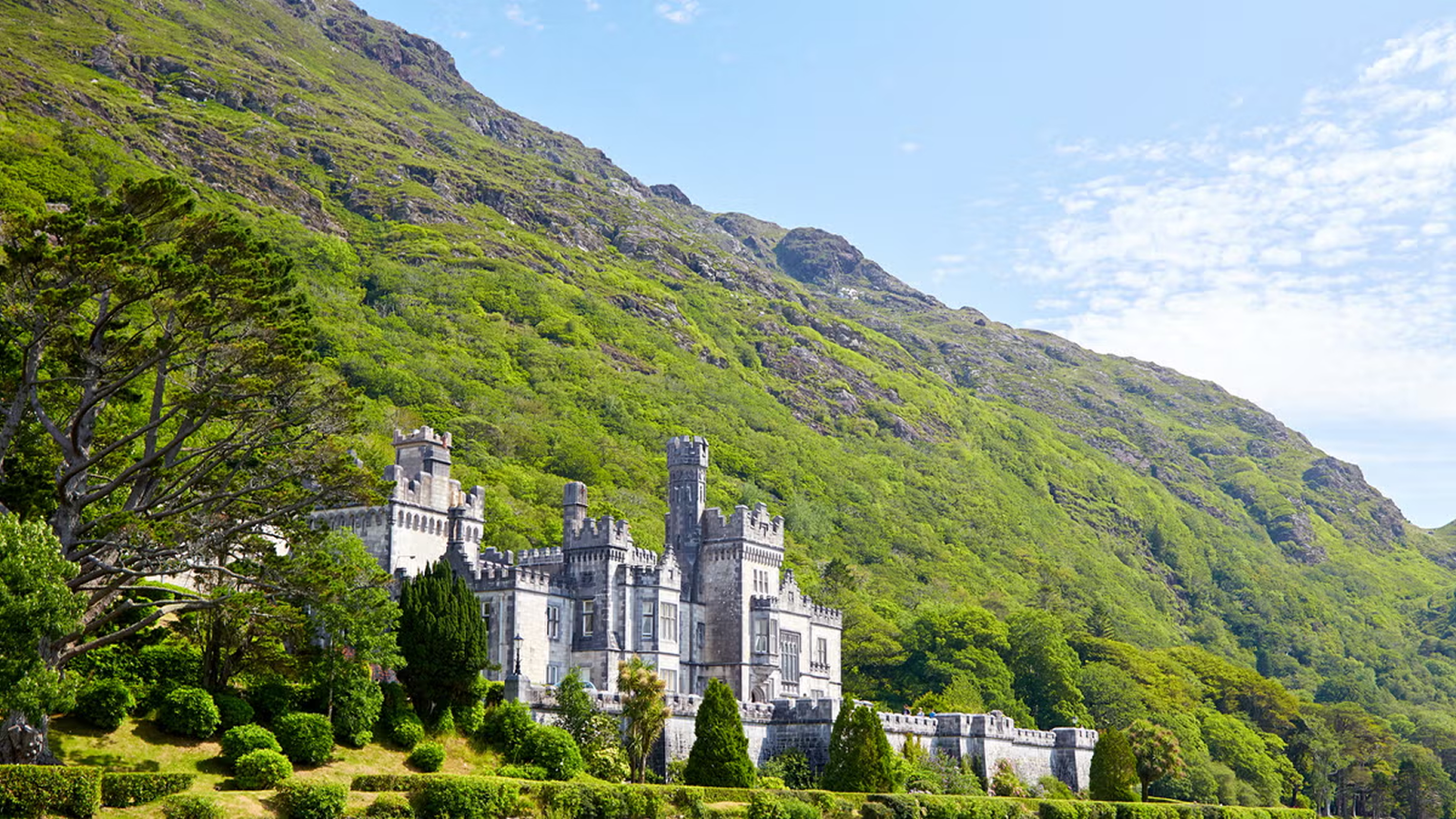
Explore Connemara National Park, visit Kylemore Abbey and stop at small villages along the way.
The region is particularly appealing to travelers looking for landscapes away from Ireland’s larger cities.
Best for: Hiking, photography, road trips and dramatic landscapes.
8. Kilkenny
Kilkenny is a charming medieval city in southeastern Ireland.
Its historic center is easy to explore on foot, with narrow streets, traditional buildings and historic landmarks.
The city’s most famous attraction is Kilkenny Castle, which overlooks the River Nore.
You can also explore St. Canice’s Cathedral and the Medieval Mile.
Best for: History, architecture and weekend trips.
9. Waterford
Waterford is one of Ireland’s oldest cities and is particularly interesting for travelers interested in history.
The city has Viking connections and several museums and historic attractions.
Explore the Waterford Viking Triangle, visit Reginald’s Tower and learn about the city’s long history.
Waterford also provides access to scenic parts of Ireland’s southeast coast.
Best for: History, culture and coastal exploration.
10. Kinsale
Kinsale is a picturesque harbor town in County Cork known for colorful streets, seafood restaurants and historic landmarks.
It is often associated with Ireland’s food culture, making it an enjoyable stop for travelers who like combining sightseeing with local dining.
Explore the harbor, walk through the town and visit nearby historic sites such as Charles Fort.
Best for: Food, coastal scenery and relaxed weekends.
11. Sligo
Located on Ireland’s northwest coast, Sligo combines mountains, beaches, lakes and literary history.
The area is closely associated with the poet W. B. Yeats, whose work was inspired by the surrounding landscapes.
Visit Sligo town, explore nearby beaches and enjoy views of Benbulben, one of the region’s most recognizable mountains.
Best for: Nature, hiking, beaches and literary history.
12. Westport
Westport is a charming town in County Mayo with colorful streets, restaurants and easy access to some of Ireland’s most beautiful outdoor landscapes.
The town is close to Croagh Patrick, a prominent mountain overlooking Clew Bay.
Westport also provides access to the Great Western Greenway, making it a popular destination for cycling and outdoor activities.
Best for: Outdoor adventures, cycling and countryside.
13. Donegal
County Donegal offers some of the wildest coastal scenery in Ireland.
The region is known for rugged cliffs, remote beaches, mountains and small coastal communities.
Visit Slieve League, whose dramatic cliffs rise high above the Atlantic, and explore parts of the Wild Atlantic Way.
Donegal is particularly rewarding for travelers who want a quieter experience away from Ireland’s busiest tourist destinations.
Best for: Wild landscapes, road trips and outdoor adventures.
14. Belfast
Although Belfast is in Northern Ireland, it can easily be included in a wider Ireland trip.
The city has a fascinating industrial and maritime history.
Visit Titanic Belfast, explore the Cathedral Quarter and walk around Belfast City Hall.
Belfast can also be combined with a trip along the Causeway Coast.
Best for: History, museums, architecture and city breaks.
15. Giant’s Causeway
The Giant’s Causeway is one of the most distinctive natural attractions on the island of Ireland.
Located along the coast of Northern Ireland, it is famous for its unusual hexagonal basalt columns created by ancient volcanic activity.
The surrounding coastline is equally impressive, making the journey there worthwhile even beyond the main geological formation.
Combine it with other attractions along the Causeway Coastal Route for a memorable road trip.
Best for: Nature, geology, photography and coastal road trips.
Best Places to Visit in Ireland at a Glance
| Destination | Best For | Suggested Time |
|---|---|---|
| Dublin | History & culture | 2–3 days |
| Galway | Music & culture | 1–2 days |
| Killarney | Nature & national parks | 2 days |
| Cliffs of Moher | Coastal scenery | Half day–1 day |
| Cork | Food & city life | 1–2 days |
| Dingle | Road trips | 1–2 days |
| Connemara | Mountains & nature | 1–2 days |
| Kilkenny | Medieval history | 1 day |
| Waterford | History | 1 day |
| Kinsale | Food & coastline | 1 day |
| Sligo | Mountains & beaches | 1–2 days |
| Westport | Outdoor activities | 1–2 days |
| Donegal | Wild landscapes | 2–3 days |
| Belfast | History & culture | 1–2 days |
| Giant’s Causeway | Nature & geology | Half day–1 day |
How to Plan an Ireland Trip
Ireland is relatively compact, but travel times can be longer than they appear on a map because many scenic roads are narrow and winding.
For a first visit, avoid trying to cover the entire island in just a few days.
For 5 days
Focus on:
Dublin → Galway → Cliffs of Moher → Killarney
For 7 days
Consider:
Dublin → Galway → Cliffs of Moher → Dingle → Killarney → Cork
For 10 days
You can create a broader road trip including:
Dublin → Galway → Connemara → Cliffs of Moher → Dingle → Killarney → Cork → Kilkenny
If you want to include Northern Ireland, allow additional time for Belfast and the Causeway Coast.
Best Way to Explore Ireland
A rental car is particularly useful if you want to explore Ireland’s countryside and coastal regions.
Driving gives you flexibility to stop at viewpoints, villages and beaches that may not be served by public transportation.
For city stays, however, a car isn’t always necessary. Dublin, Galway and Belfast can be explored largely on foot and through public transportation.
Remember that vehicles drive on the left-hand side of the road in Ireland and Northern Ireland.
When to Visit Ireland
Ireland can be visited throughout the year, and each season offers a different experience.
Spring brings fresh green landscapes and longer daylight.
Summer generally provides the longest days, making it convenient for road trips and outdoor activities.
Autumn brings changing colors and atmospheric landscapes.
Winter offers shorter days and cooler conditions but can provide a quieter experience at many attractions.
Regardless of the season, Ireland’s weather can change quickly. Layers and waterproof clothing are useful for almost any itinerary.
Final Thoughts
Ireland is a destination where historic cities, rugged coastlines and quiet countryside can all be part of the same trip.
Dublin offers history and culture, Galway provides a lively west-coast atmosphere, while Killarney and Connemara showcase Ireland’s natural beauty.
For dramatic coastal scenery, the Cliffs of Moher, Dingle Peninsula and Donegal are difficult to overlook. Historic destinations such as Kilkenny and Waterford add another dimension to the journey.
Whether you’re planning a short city break or a 10-day road trip, Ireland offers plenty of destinations worth exploring at a slower pace.