
Spain is a country where every region offers something different. You can spend one day exploring centuries-old architecture, the next relaxing on a Mediterranean beach, and another hiking through mountains or eating your way through a historic city.
From Barcelona and Madrid to the beaches of Mallorca and the white villages of Andalusia, Spain offers an impressive mix of culture, history, food, nature, and unforgettable landscapes.
If you’re planning your first trip to Spain, these are 15 destinations worth considering.
1. Barcelona
Barcelona is one of Spain’s most recognizable cities, famous for its distinctive architecture, Mediterranean atmosphere, food, and lively neighborhoods.
The city is closely associated with architect Antoni Gaudí, whose work can be found throughout Barcelona.
Don’t miss:
- Sagrada Família
- Park Güell
- Casa Batlló
- Gothic Quarter
- La Boqueria
- Barceloneta
Barcelona is ideal for travelers who want a combination of architecture, beaches, food, and city life.
2. Madrid
Spain’s capital is a destination for art, history, food, shopping, and vibrant city life.
Madrid has impressive museums, elegant boulevards, historic plazas, large parks, and neighborhoods filled with restaurants and cafés.
Some of the highlights include:
- Prado Museum
- Royal Palace
- Plaza Mayor
- Retiro Park
- Gran Vía
- Mercado de San Miguel
Madrid also makes an excellent starting point for exploring central Spain.
3. Seville
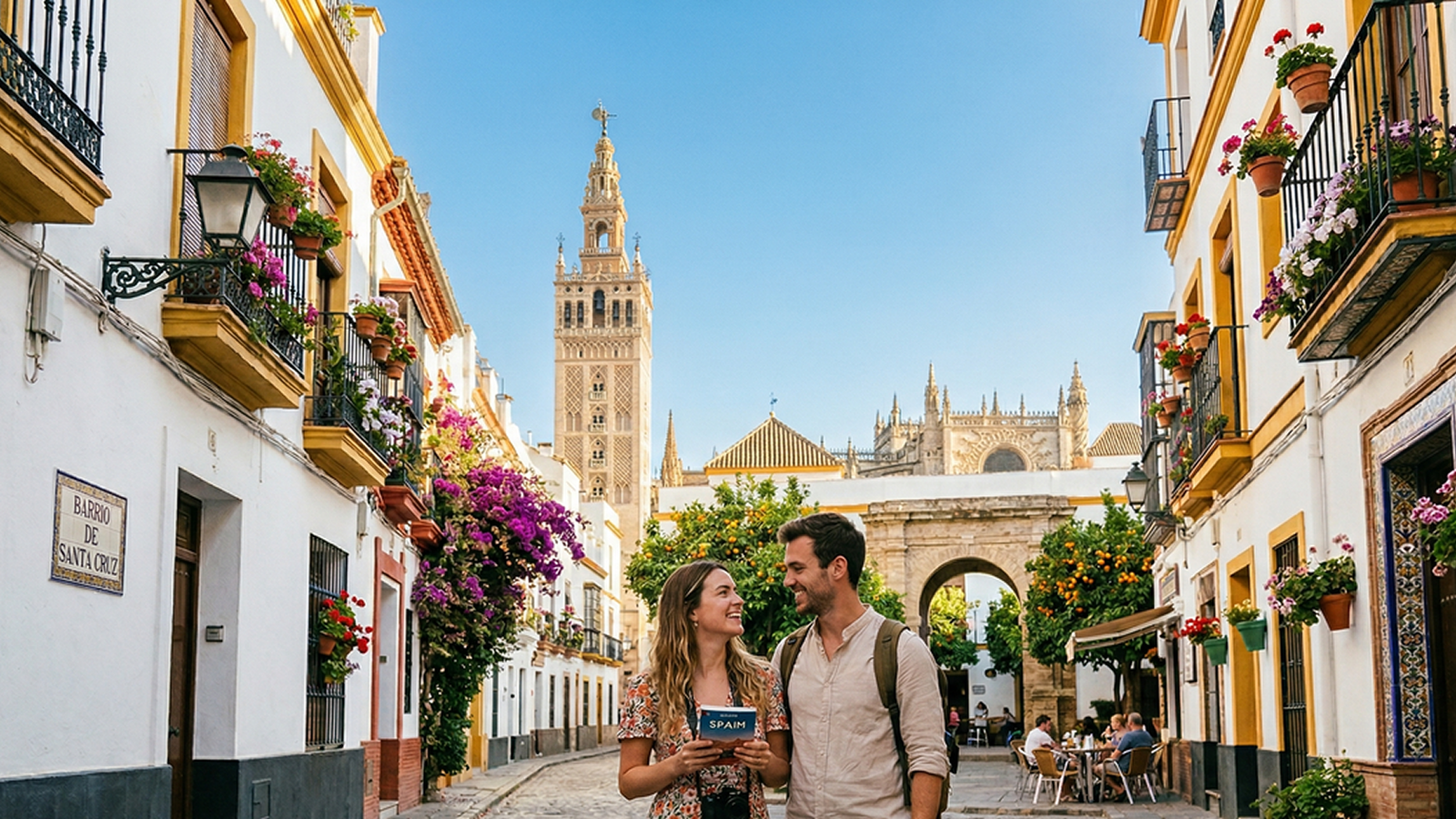
Seville captures much of the character travelers associate with southern Spain.
The city is known for its colorful architecture, historic streets, orange trees, flamenco traditions, and lively plazas.
Major attractions include:
- Real Alcázar
- Seville Cathedral
- La Giralda
- Plaza de España
- Santa Cruz
- Triana
Spend an evening walking through the old town before stopping for tapas and a traditional flamenco performance.
4. Granada
Granada is located at the foot of the Sierra Nevada and is best known for the spectacular Alhambra.
The palace and fortress complex combines Islamic architecture, gardens, courtyards, and dramatic views across the city.
Beyond the Alhambra, explore the historic Albaicín neighborhood, where narrow streets and whitewashed buildings create a very different atmosphere.
Granada is especially appealing to travelers interested in architecture and history.
5. Valencia
Valencia offers a different combination of old and new Spain.
The city has a historic center, Mediterranean beaches, modern architecture, parks, and a strong food culture.
Valencia is also closely associated with paella, which originated in the region.
Highlights include:
- City of Arts and Sciences
- Valencia Cathedral
- Central Market
- Turia Gardens
- Malvarrosa Beach
- Historic old town
It’s a good choice if you want a city break that combines culture and the coast.
6. Mallorca
Mallorca is one of Spain’s most popular Mediterranean destinations.
While the island is known for beaches, there is much more to discover.
Explore Palma, drive through mountain villages, discover hidden coves, and explore the dramatic Serra de Tramuntana.
Some experiences worth considering include:
- Palma Cathedral
- Sóller
- Deià
- Valldemossa
- Cala beaches
- Serra de Tramuntana
Mallorca works well for both relaxing beach holidays and active road trips.
7. Málaga
Located on Spain’s southern coast, Málaga combines beaches, museums, historic architecture, restaurants, and easy access to the wider Andalusian region.
The city has become increasingly popular with travelers looking for a Mediterranean city break.
Visit:
- Alcazaba
- Málaga Cathedral
- Picasso Museum
- Gibralfaro Castle
- Muelle Uno
You can also use Málaga as a base for exploring other destinations along the Costa del Sol.
8. San Sebastián
San Sebastián, or Donostia, is located in Spain’s Basque Country near the French border.
The city is particularly famous for its food.
Its restaurants and pintxos bars have made it one of Spain’s most exciting culinary destinations.
The city also has beautiful beaches, including La Concha, surrounded by hills and elegant buildings.
Spend the day walking along the waterfront before exploring the old town in search of pintxos.
9. Bilbao
Bilbao offers a modern and creative side of northern Spain.
The city’s transformation is closely associated with the Guggenheim Museum, an architectural landmark on the Nervión River.
But Bilbao isn’t only about modern architecture.
You can also explore:
- Casco Viejo
- Ribera Market
- Plaza Nueva
- Artxanda viewpoint
- Nervión River
Bilbao is an excellent addition to a northern Spain itinerary.
10. Córdoba
Córdoba is one of Andalusia’s most historically significant cities.
Its historic center is filled with narrow streets, courtyards, traditional houses, and architectural reminders of different periods of Spanish history.
The city’s most famous landmark is the Mosque-Cathedral of Córdoba, an extraordinary building with a distinctive interior of arches and columns.
Other highlights include:
- Roman Bridge
- Jewish Quarter
- Alcázar
- Historic courtyards
Córdoba works particularly well as a day trip from Seville or as part of a longer Andalusia itinerary.
11. Santiago de Compostela
Located in northwestern Spain, Santiago de Compostela is best known as the final destination of the Camino de Santiago pilgrimage routes.
The city’s historic center surrounds its magnificent cathedral.
Even if you’re not completing the Camino, Santiago is worth visiting for its architecture, atmosphere, and connection to one of Europe’s best-known pilgrimage traditions.
Spend time exploring the old town and sampling Galician cuisine.
12. Toledo
Toledo is one of Spain’s most fascinating historic cities.
Located near Madrid, it sits dramatically above the Tagus River and is often visited as a day trip.
The city’s history reflects centuries of interaction between different religious and cultural communities.
Explore:
- Toledo Cathedral
- Alcázar
- Jewish Quarter
- Monastery of San Juan de los Reyes
- Historic city walls
The narrow streets and medieval architecture make Toledo particularly enjoyable to explore on foot.
13. Ronda
Ronda is one of Andalusia’s most dramatic destinations.
The town sits above the El Tajo gorge, with spectacular views across the surrounding landscape.
The famous Puente Nuevo connects two sides of the historic town and provides one of Ronda’s most recognizable views.
Beyond the bridge, spend time exploring the old town, viewpoints, historic buildings, and surrounding countryside.
Ronda is particularly appealing for travelers who want a smaller destination between larger Andalusian cities.
14. Ibiza
Ibiza is famous around the world for nightlife, but the island has another side that deserves attention.
Outside the major clubs, you’ll find quiet coves, traditional villages, Mediterranean landscapes, and beautiful sunsets.
Consider exploring:
- Dalt Vila
- Cala d’Hort
- Santa Eulària
- Cala Comte
- Hidden coves and beaches
Ibiza can work for both travelers looking for nightlife and those searching for a relaxed Mediterranean escape.
15. Tenerife
Tenerife is the largest of Spain’s Canary Islands and offers a dramatically different landscape from mainland Spain.
The island is home to Mount Teide, Spain’s highest peak, surrounded by a volcanic national park.
You can combine mountain landscapes with beaches, coastal towns, and hiking trails.
Popular experiences include:
- Teide National Park
- Mount Teide
- La Laguna
- Anaga Rural Park
- Coastal villages
- Black-sand beaches
Tenerife is especially interesting for travelers who want nature and outdoor activities.
Best Places to Visit in Spain by Travel Style
| Travel Style | Destinations to Consider |
|---|---|
| First-time Spain trip | Madrid, Barcelona, Seville |
| History & architecture | Granada, Córdoba, Toledo |
| Beaches | Mallorca, Ibiza, Málaga |
| Food | San Sebastián, Valencia, Seville |
| Nature | Tenerife, Mallorca, northern Spain |
| Nightlife | Barcelona, Madrid, Ibiza |
| Romantic trip | Seville, Mallorca, Granada |
| Road trip | Andalusia, Mallorca, northern Spain |
| Culture | Madrid, Barcelona, Bilbao |
| Smaller historic towns | Ronda, Toledo, Córdoba |
How Many Days Do You Need in Spain?
For a first trip, 10 days allows you to experience several major destinations.
A possible route could be:
Days 1–3: Madrid
Day 4: Toledo
Days 5–6: Seville
Day 7: Córdoba or Granada
Days 8–10: Barcelona
If you have two weeks, you can slow down and add Valencia, Málaga, Mallorca, or another region.
Spain is large enough that trying to visit too many places in one trip can make the journey feel rushed.
Best Time to Visit Spain
Spain can be visited throughout the year, but the ideal season depends on where you are going and what you want to do.
Spring is excellent for city sightseeing, countryside landscapes, and comfortable temperatures.
Summer is popular for Mediterranean beaches, although inland and southern destinations can become very hot.
Autumn offers comfortable conditions in many regions and is particularly attractive for city and food-focused trips.
Winter can be a good time for exploring cities, while the Canary Islands offer warmer conditions compared with much of mainland Europe.
Final Thoughts
Spain is not a destination you need to experience in one specific way.
You can build a trip around historic cities, Mediterranean beaches, food, architecture, mountains, nightlife, or road trips.
For first-time visitors, Madrid, Barcelona, and Seville provide a strong introduction to the country. But destinations such as Granada, San Sebastián, Mallorca, Tenerife, Córdoba, and Ronda show just how different Spain can be from region to region.
The best Spain itinerary is usually the one that gives you enough time to explore each destination rather than trying to collect as many cities as possible.