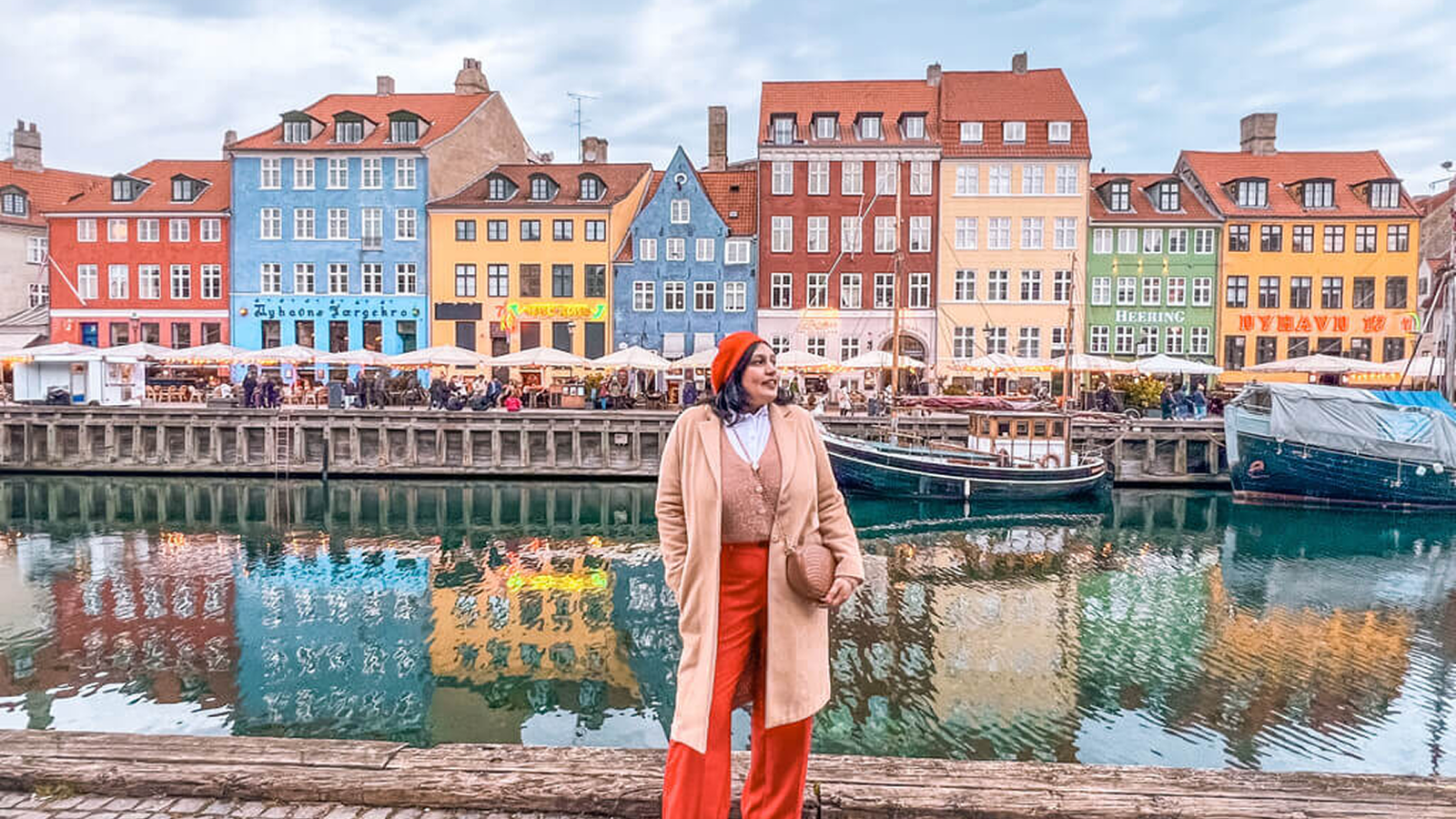
Denmark is a country where historic cities, beautiful coastlines, royal castles, Viking heritage and modern Scandinavian culture come together.
While Copenhagen is usually the first stop for international travelers, there is much more to discover beyond the capital. You can explore medieval towns, cycle through the countryside, walk along dramatic coastal cliffs, visit historic castles and experience Denmark’s famous food culture.
Whether you’re planning a city break, family holiday, road trip or Scandinavian adventure, these are 15 of the best things to do in Denmark.
1. Explore Copenhagen’s Historic Center
Copenhagen is the natural starting point for most trips to Denmark.
The city center is compact enough to explore on foot, with historic streets, palaces, colorful buildings and waterfront neighborhoods all within easy reach.
Start around Nyhavn, then walk toward Amalienborg Palace and the surrounding historic district.
You can also explore Strøget, one of Europe’s best-known pedestrian shopping streets, before stopping at a traditional café.
Don’t miss: Nyhavn, Amalienborg Palace, Strøget and the historic waterfront.
2. Visit Tivoli Gardens
Tivoli Gardens is one of Copenhagen’s most famous attractions.
Located in the heart of the city, the historic amusement park combines rides, gardens, restaurants and entertainment.
It offers a different experience depending on the season, with colorful decorations and special events throughout the year.
Even travelers who aren’t interested in amusement rides can enjoy walking through the gardens and experiencing the atmosphere.
Best for: Families, couples and evening entertainment.
3. See the Little Mermaid
The Little Mermaid statue is one of Copenhagen’s most recognizable landmarks.
Located beside the waterfront, the statue was inspired by Hans Christian Andersen’s famous fairy tale.
The attraction itself is relatively small, so it doesn’t require a large amount of time.
Combine your visit with a walk along the waterfront and nearby Kastellet, a historic fortress with peaceful paths and green spaces.
4. Visit Rosenborg Castle
Rosenborg Castle offers a glimpse into Denmark’s royal history.
The Renaissance castle is surrounded by the beautiful King’s Garden, making the area particularly pleasant to explore on foot.
Inside, visitors can see historic royal interiors and collections associated with the Danish monarchy.
Allow time to explore both the castle and its gardens.
For travelers interested in architecture and history, this is one of the most rewarding attractions in central Copenhagen.
5. Explore Kronborg Castle in Helsingør
Travel north of Copenhagen to Helsingør and visit Kronborg Castle.
The Renaissance castle is closely associated with Shakespeare’s Hamlet and stands near the narrow Øresund strait.
Explore the castle rooms, courtyards and underground areas before walking around the surrounding historic town.
The combination of architecture, history and coastal scenery makes it an excellent day trip from Copenhagen.
6. Discover Denmark’s Viking Heritage in Roskilde
Roskilde is an important destination for understanding Denmark’s Viking history.
The Viking Ship Museum is home to archaeological remains and reconstructed ships that help tell the story of Denmark’s maritime past.
You can learn about Viking shipbuilding, seafaring and life along the Danish coastline.
While in Roskilde, also visit Roskilde Cathedral, one of the country’s most important historic landmarks.
7. Walk Through the Old Town of Aarhus
Aarhus is Denmark’s second-largest city and one of the country’s leading cultural destinations.
Spend time exploring its central streets, cafés, restaurants and waterfront.
One of the city’s highlights is Den Gamle By, an open-air museum where historic buildings have been brought together to recreate different periods of Danish urban life.
Aarhus is also home to ARoS Aarhus Art Museum, making the city particularly interesting for travelers who enjoy art and architecture.
8. Experience the Art at ARoS Aarhus
ARoS is one of Denmark’s most recognizable modern art museums.
Its distinctive architecture and rooftop installation make it a major attraction in Aarhus.
The museum contains a wide range of artworks and exhibitions, while the rooftop provides views across the city.
Even if contemporary art isn’t normally part of your travel itinerary, the building itself makes ARoS worth visiting.
9. Walk Along the Cliffs of Møns Klint
For one of Denmark’s most dramatic natural experiences, head to Møns Klint.
The white chalk cliffs rise dramatically above the Baltic Sea and create an impressive contrast with the surrounding green landscape.
Walking trails allow visitors to explore the coastline and surrounding forests.
The area is especially attractive to photographers and hikers.
Wear comfortable shoes and allow enough time to explore beyond the main viewpoints.
10. Explore the Coastal Town of Skagen
Skagen sits at the northern tip of Jutland and is known for its beaches, distinctive yellow houses and artistic heritage.
One of the most interesting places to visit is Grenen, where the North Sea and Kattegat meet.
The surrounding landscape is shaped by wind and sea, creating a very different atmosphere from Copenhagen.
Spend time exploring Skagen’s streets before heading toward the coast for a walk.
11. Cycle Around Bornholm
Bornholm is one of Denmark’s best destinations for travelers who enjoy cycling and outdoor exploration.
The island combines beaches, forests, rocky coastline and small villages.
Cycling allows you to explore the island at a slower pace while stopping at viewpoints and local attractions along the way.
Visit towns such as Rønne and Gudhjem and make time to explore Bornholm’s distinctive round churches.
12. Explore Medieval Ribe
Ribe is one of Denmark’s oldest towns and offers a fascinating glimpse into the country’s medieval past.
Its historic center is filled with cobbled streets, traditional buildings and historic landmarks.
Ribe Cathedral dominates the town’s skyline and is one of its most recognizable sights.
The nearby Wadden Sea also provides opportunities to explore Denmark’s unique coastal environment.
Best for: History, architecture and slow travel.
13. Explore the Danish Wadden Sea
The Danish Wadden Sea is part of a much larger tidal ecosystem along the North Sea coast.
The landscape changes with the tides and provides important habitats for birds and other wildlife.
Depending on the season, visitors can join guided nature walks and wildlife experiences.
The region is an excellent choice if you want to see a more natural side of Denmark beyond its cities and historic attractions.
14. Taste Traditional Danish Food
Food should be part of any trip to Denmark.
Try smørrebrød, the traditional open-faced sandwich that can be topped with fish, meat, cheese or other ingredients.
You can also sample Danish pastries, seafood and modern Nordic dishes.
Copenhagen has a particularly diverse restaurant scene, but smaller towns and coastal regions also offer excellent local food.
For an authentic experience, visit local bakeries, markets and traditional restaurants rather than limiting your meals to tourist areas.
15. Visit Denmark’s Historic Castles
Denmark has a long royal history, and its castles are among the country’s most interesting attractions.
Beyond Rosenborg and Kronborg, travelers can visit places such as Frederiksborg Castle, located in Hillerød.
The Renaissance palace sits beside a lake and is surrounded by formal gardens.
Inside, the Museum of National History presents Danish history through portraits, artwork and historic interiors.
A castle tour is an easy way to combine architecture, history and beautiful landscapes in one experience.
Best Things to Do in Denmark for Different Travelers
| Traveler Type | Experiences to Consider |
|---|---|
| First-time visitors | Copenhagen, Nyhavn, Tivoli Gardens |
| History lovers | Kronborg, Roskilde, Ribe |
| Nature lovers | Møns Klint, Wadden Sea, Bornholm |
| Families | Tivoli Gardens, Copenhagen, Aarhus |
| Couples | Copenhagen, Skagen, Bornholm |
| Art lovers | ARoS Aarhus, Copenhagen museums |
| Cycling enthusiasts | Bornholm, Copenhagen, Funen |
| Food lovers | Copenhagen, Aarhus, local markets |
| Photography | Skagen, Møns Klint, Nyhavn |
| Viking history | Roskilde, Ribe |
How Many Days Do You Need in Denmark?
For a first visit focused mainly on Copenhagen, 3–4 days can be enough to explore the major attractions.
If you want to experience more of the country, consider 7–10 days.
A longer trip could combine:
- Copenhagen
- Roskilde
- Helsingør
- Aarhus
- Odense
- Skagen
- Ribe
- Bornholm or Møns Klint
Denmark’s relatively compact size makes it possible to combine several destinations without spending entire days traveling between them.
Best Time to Visit Denmark
The best time depends on the type of experience you’re looking for.
May–June: Excellent for sightseeing, cycling, gardens and outdoor activities.
July–August: Warmest period and popular for beaches, coastal destinations and outdoor attractions.
September: Comfortable for sightseeing and exploring cities and countryside with a quieter atmosphere.
October–April: Better suited to museums, cultural attractions, cafés and winter city experiences, although daylight hours are shorter.
For a first trip combining outdoor attractions with sightseeing, the warmer months are generally the easiest time to explore.
Denmark Travel Tips
Use trains for major cities
Denmark has a well-connected rail network, making train travel useful for destinations such as Copenhagen, Odense and Aarhus.
Consider cycling
Cycling is deeply integrated into Danish city life, particularly in Copenhagen and many smaller towns.
Explore beyond Copenhagen
The capital is excellent, but Denmark’s coastal towns, castles and countryside provide some of the country’s most memorable experiences.
Book popular attractions ahead
During the busiest summer period, major attractions and popular accommodation can become busy.
Allow time for slow travel
Denmark is particularly enjoyable when you leave room for cafés, local neighborhoods, coastal walks and small-town exploration rather than rushing between attractions.
Final Thoughts
Denmark offers a surprisingly diverse travel experience for such a compact country.
You can explore the colorful streets of Copenhagen, discover Viking history in Roskilde, visit royal castles, cycle through Bornholm, walk along the cliffs of Møns Klint or watch the North Sea meet the Kattegat at Skagen.
For a first trip, combining Copenhagen with two or three destinations outside the capital can provide a much richer experience of Danish history, nature and culture.
Whether you’re interested in castles, food, cycling, coastal scenery, art or Viking heritage, Denmark gives you plenty of reasons to explore beyond its famous capital.