Australia is one of the world’s most diverse travel destinations. From modern cities and famous beaches to tropical islands, ancient landscapes, wildlife, and dramatic national parks, the country offers something for almost every type of traveler.
Because Australia is so large, trying to see the entire country in one trip can be difficult. The best approach is to choose a few regions and explore them properly.
Whether you are interested in beaches, nature, road trips, food, wildlife, or city experiences, these are some of the best places to visit in Australia.
1. Sydney
Sydney is one of Australia’s most famous cities and a natural starting point for a first trip.
The city combines a beautiful harbor, beaches, historic neighborhoods, restaurants, and cultural attractions.
Things to Do in Sydney
Visit:
- Sydney Opera House
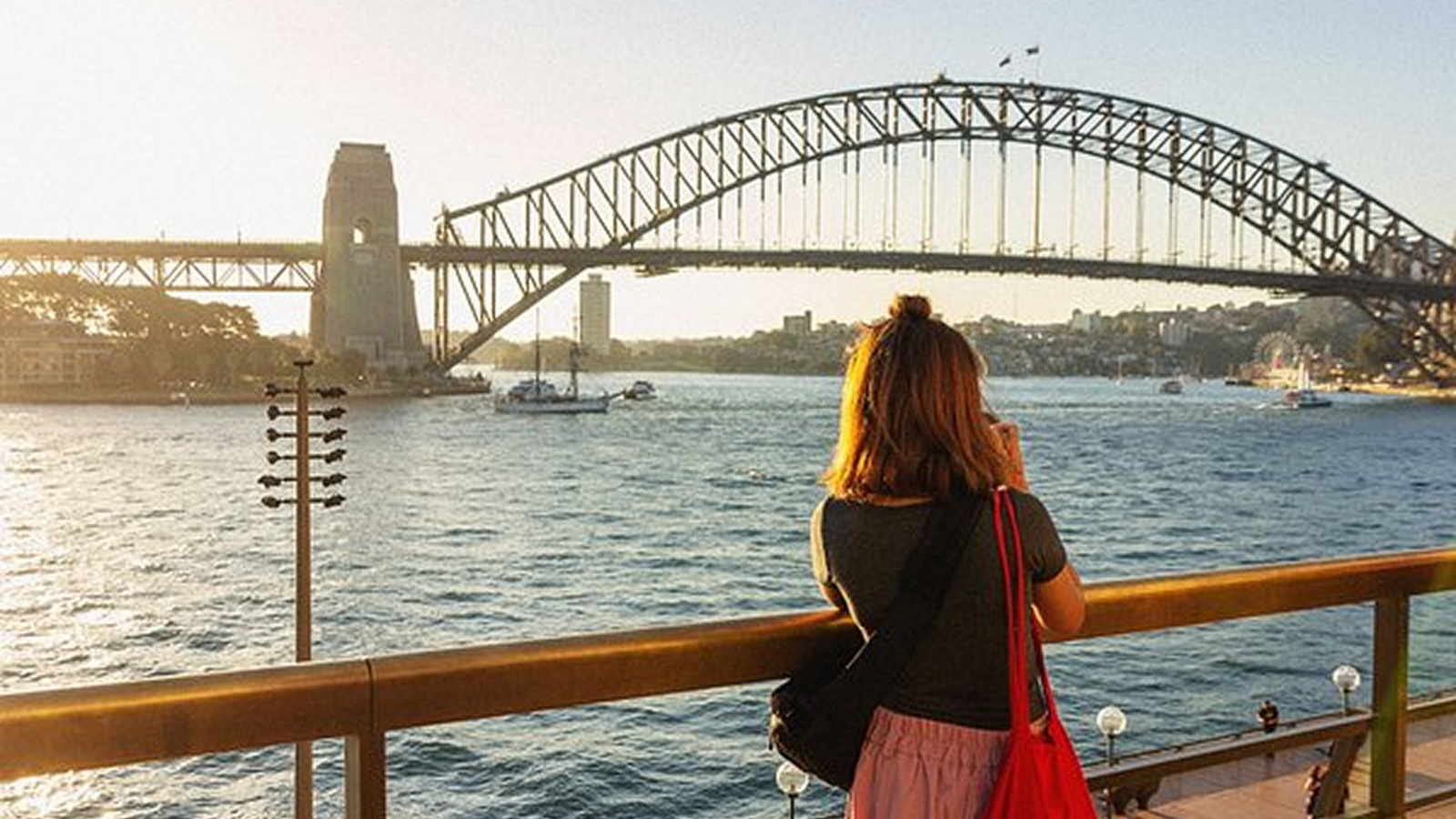
- Sydney Harbour Bridge
- The Rocks
- Bondi Beach
- Royal Botanic Garden
- Darling Harbour
- Manly Beach
Walking around the harbor is one of the easiest ways to experience Sydney.
You can also take a ferry to Manly for beautiful views of the harbor and coastline.
Bondi Beach
Bondi is one of Australia’s best-known beaches.
You can spend time swimming, relaxing, or walking along the coastline.
The Bondi to Coogee coastal walk is another popular experience, offering views of beaches, cliffs, and the Pacific Ocean.
How Long to Stay
Plan for around 3 to 4 days for a first visit.
2. Melbourne
Melbourne is known for its food, coffee, art, sports, architecture, and lively cultural scene.
The city has a very different atmosphere from Sydney and is particularly appealing to travelers who enjoy urban experiences.
Things to Do in Melbourne
Explore:
- Federation Square
- Flinders Street Station
- Queen Victoria Market
- Melbourne laneways
- National Gallery of Victoria
- Royal Botanic Gardens
- St Kilda
Melbourne’s laneways are filled with cafés, restaurants, street art, and independent businesses.
The city is also famous for its coffee culture.
Great Ocean Road
One of the best day or multi-day trips from Melbourne is the Great Ocean Road.
The route offers dramatic coastal scenery, beaches, cliffs, and famous rock formations.
How Long to Stay
Three to four days works well, with additional time if you want to explore the surrounding region.
3. Great Barrier Reef
The Great Barrier Reef is one of Australia’s most famous natural attractions.
Located off the coast of Queensland, it is one of the world’s best-known marine ecosystems.
Things to Do
Depending on the location and conditions, visitors can:
- Snorkel
- Dive
- Take boat trips
- Visit reef platforms
- Explore nearby islands
- Take scenic flights
Cairns and Port Douglas are two popular bases for exploring the reef.
If you plan to snorkel or dive, choose a reputable operator and follow all safety and environmental guidelines.
4. Gold Coast
The Gold Coast is a popular destination for beaches, surfing, entertainment, and family holidays.
Surfers Paradise is the most famous area, with a long sandy beach surrounded by hotels, restaurants, shops, and entertainment.
Things to Do
- Relax at the beach
- Try surfing
- Explore coastal neighborhoods
- Visit theme parks
- Explore the hinterland
- Enjoy local restaurants
The Gold Coast also provides access to natural areas and national parks beyond the main coastal strip.
Best For
- Families
- Beach lovers
- Surfing
- Couples
- Entertainment
5. Great Ocean Road
The Great Ocean Road is one of Australia’s most scenic road-trip routes.
Located in Victoria, the route follows the southern coastline and passes through beaches, forests, cliffs, and small coastal towns.
One of its most famous attractions is the collection of limestone formations known as the Twelve Apostles.
Things to Do
Along the route, you can:
- Stop at coastal viewpoints
- Visit beaches
- Explore rainforest
- Walk short trails
- Visit small towns
- Watch wildlife
- Photograph the coastline
Although the Great Ocean Road can be visited as a day trip from Melbourne, spending more time along the route allows you to explore at a slower pace.
6. Uluru
Uluru is one of Australia’s most recognizable natural landmarks.
Located in the Northern Territory, the massive sandstone formation rises dramatically from the surrounding landscape.
Uluru is also a place of deep cultural significance to the Anangu, the Traditional Owners of the land.
Things to Do
Visitors can:
- Explore the surrounding landscape
- Learn about Anangu culture
- Join guided cultural experiences
- Visit the cultural centre
- Watch sunrise
- Watch sunset
- Explore nearby Kata Tjuṯa
Respect the cultural significance of the area and follow local visitor guidelines.
Best Experience
Sunrise and sunset can transform the appearance of the landscape, making these particularly memorable times to visit.
7. Tasmania
Tasmania is an excellent destination for travelers who enjoy wilderness, hiking, wildlife, and scenic landscapes.
The island offers rugged coastlines, mountains, forests, beaches, and historic towns.
Places to Explore
- Hobart
- Cradle Mountain
- Freycinet National Park
- Wineglass Bay
- Bruny Island
- Bay of Fires
Hobart is a good starting point for exploring the island.
The city combines historic architecture, markets, restaurants, and access to surrounding natural areas.
Best For
- Hiking
- Nature
- Wildlife
- Road trips
- Food and wine
8. Whitsunday Islands
The Whitsunday Islands are located off the coast of Queensland and are known for beautiful beaches and tropical scenery.
The islands are part of the Great Barrier Reef region.
Things to Do
You can:
- Take a sailing trip
- Go snorkeling
- Swim
- Explore beaches
- Take scenic flights
- Visit Whitehaven Beach
Whitehaven Beach is particularly famous for its bright sand and clear tropical water.
Airlie Beach is a popular base for exploring the Whitsundays.
9. Perth
Perth is located on Australia’s west coast and offers a combination of beaches, parks, restaurants, and outdoor experiences.
Because it is geographically separated from many of Australia’s major eastern cities, Perth can feel like a different side of the country.
Things to Do
Visit:
- Kings Park
- Cottesloe Beach
- Fremantle
- Swan Valley
- Rottnest Island
Fremantle is particularly interesting for its historic buildings, markets, restaurants, and waterfront atmosphere.
Rottnest Island
A trip to Rottnest Island is a popular addition to a Perth itinerary.
The island is famous for its beaches, cycling routes, and quokkas.
10. Adelaide
Adelaide is a relaxed city known for food, wine, parks, and easy access to surrounding regions.
It can be a great alternative to Australia’s larger and busier cities.
Things to Do
Explore:
- Adelaide Central Market
- Adelaide Botanic Garden
- North Terrace
- Glenelg Beach
- Adelaide Hills
The city is also a gateway to wine regions such as the Barossa Valley and McLaren Vale.
Best For
- Food lovers
- Wine
- Couples
- Relaxed city breaks
- Road trips
11. Kakadu National Park
Kakadu National Park is one of Australia’s most important natural and cultural landscapes.
Located in the Northern Territory, the park contains wetlands, escarpments, forests, wildlife, and Aboriginal rock art sites.
Things to Experience
Depending on conditions and access, visitors can explore:
- Wetlands
- Waterfalls
- Rock art
- Scenic viewpoints
- Wildlife habitats
- Cultural sites
Kakadu is particularly rewarding for travelers interested in Australia’s natural environment and Indigenous heritage.
Always follow park safety advice, particularly around waterways and wildlife.
12. The Blue Mountains
The Blue Mountains are located west of Sydney and make an easy escape from the city.
The region is known for dramatic cliffs, eucalyptus forests, waterfalls, and hiking trails.
Things to Do
Visit:
- Three Sisters
- Echo Point
- Scenic World
- Wentworth Falls
- Leura
- Katoomba
There are hiking trails for different levels of fitness, ranging from short walks to longer routes.
The Blue Mountains can be visited as a day trip from Sydney, but staying overnight allows you to explore more of the region.
Which Australian Destination Is Best for You?
Australia offers very different experiences depending on where you travel.
Best for First-Time Visitors
Sydney and Melbourne
These cities provide a good introduction to Australia’s urban culture, beaches, food, and attractions.
Best for Beaches
Gold Coast, Whitsundays, Sydney, or Western Australia
Each offers a different coastal experience.
Best for Nature
Tasmania, Kakadu, Uluru, and the Blue Mountains
These destinations are ideal for travelers who want hiking, wildlife, and dramatic landscapes.
Best for Wildlife
Tasmania, Rottnest Island, and Queensland
Australia’s wildlife is one of its biggest attractions.
Best for Road Trips
Great Ocean Road and Tasmania
Both offer scenic routes with plenty of opportunities to stop and explore.
Best for Food and Wine
Melbourne and Adelaide
Both cities are excellent bases for exploring Australia’s food and wine culture.
How Long Should You Spend in Australia?
Australia is enormous, so your ideal itinerary depends heavily on how much time you have.
7 Days
Focus on one region.
For example:
Sydney + Blue Mountains
or
Melbourne + Great Ocean Road
10 Days
You can combine two destinations.
For example:
Sydney → Melbourne
or
Sydney → Cairns
14 Days
You can create a more varied trip such as:
Sydney → Melbourne → Great Ocean Road
or
Sydney → Cairns → Great Barrier Reef
For longer trips, you can add Tasmania, Western Australia, or the Northern Territory.
Best Time to Visit Australia
Australia has different climates across the country, so there is no single best month for every destination.
Spring: September to November
Spring is generally a good period for many parts of Australia.
It can be excellent for outdoor activities, road trips, and sightseeing.
Summer: December to February
Summer is popular for beaches and coastal travel, particularly in southern regions.
However, some northern areas can experience very hot and humid conditions.
Autumn: March to May
Autumn can provide comfortable conditions for many destinations and is a good time for road trips and city travel.
Winter: June to August
Winter can be ideal for exploring northern Australia, while southern destinations can be cooler.
Always check the seasonal conditions for the specific region you plan to visit.
Australia Travel Tips
Plan Around Distance
Australia is much larger than many first-time visitors expect.
Don’t assume that two destinations that look close on a map can easily be combined into a short itinerary.
Consider Domestic Flights
For long distances, flying can save significant travel time.
Check Local Conditions
Weather, road conditions, fire risks, marine conditions, and park access can change.
Check official local information before outdoor activities.
Protect Yourself From the Sun
Australia can have strong UV levels.
Use sunscreen, wear protective clothing, stay hydrated, and take breaks from direct sunlight.
Respect Wildlife
Australia has unique wildlife, but wild animals should be observed from a safe distance.
Don’t feed or approach wildlife unless the activity is specifically managed by a qualified operator.
Final Thoughts
Australia is a destination where the scale and variety of the country are part of the experience.
You can explore Sydney’s harbor, snorkel around the Great Barrier Reef, drive along the Great Ocean Road, hike through Tasmania, watch the sunset at Uluru, or relax on the beaches of Queensland.
The most important thing is to avoid trying to cover too much in one trip.
Choose one or two regions based on your interests and give yourself enough time to explore them properly.
Whether you want beaches, wildlife, adventure, food, road trips, or nature, Australia offers countless ways to create an unforgettable journey.