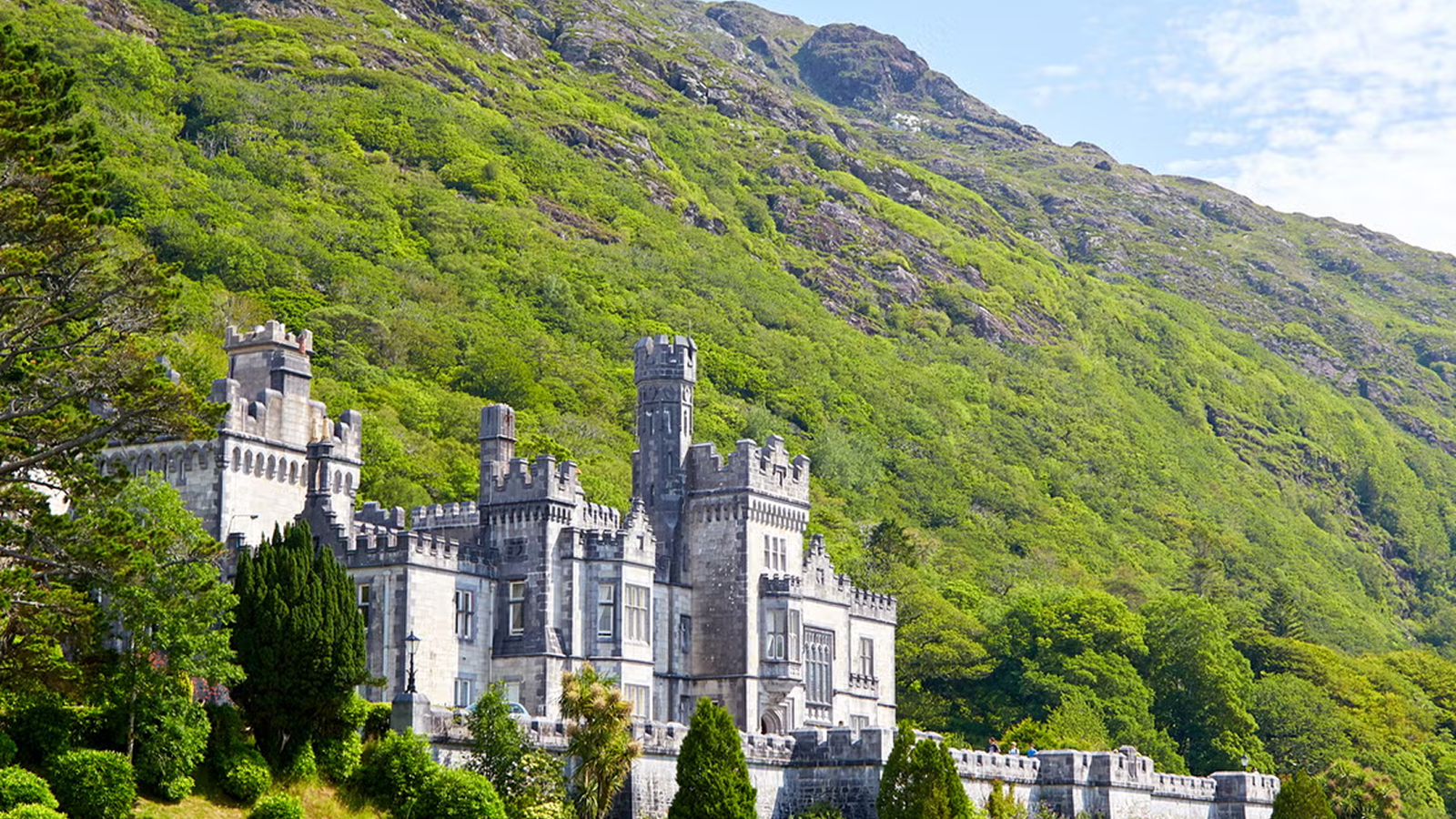
Ireland is a destination of dramatic coastlines, green countryside, historic castles, lively cities, and charming small towns. It is a country where a short drive can take you from a busy city street to a quiet coastal road surrounded by cliffs and open countryside.
For first-time visitors, Ireland can be surprisingly difficult to plan because there are so many places worth seeing. Dublin, Galway, Cork, the Cliffs of Moher, the Ring of Kerry, and the Wild Atlantic Way can all deserve a place on your itinerary.
To make planning easier, here are 10 of the best places to visit in Ireland.
1. Dublin
Dublin is the natural starting point for many Ireland trips and offers a combination of history, culture, pubs, museums, and lively neighborhoods.
The city is compact enough to explore on foot, making it easy to combine several attractions in a day.
Popular places to visit include Dublin Castle, Trinity College, St Patrick’s Cathedral, and the Guinness Storehouse.
Take some time to explore neighborhoods beyond the main attractions as well. Traditional pubs, independent cafés, bookstores, and restaurants give you a better sense of everyday Dublin.
Best for
First-time visitors, history, culture, nightlife, and city breaks.
2. Galway
Galway is one of the best places to experience Ireland’s lively west coast atmosphere.
The city center is compact and filled with colorful streets, restaurants, cafés, pubs, and traditional music venues.
Galway is also an excellent base for exploring western Ireland. From here, you can travel toward the Cliffs of Moher, Connemara, and other coastal landscapes.
The city becomes particularly enjoyable in the evening when live music brings many streets and pubs to life.
Best for
Culture, music, food, nightlife, and exploring western Ireland.
3. Cliffs of Moher
The Cliffs of Moher are among Ireland’s most famous natural attractions.
Rising dramatically above the Atlantic Ocean, the cliffs offer spectacular views along the western coastline.
Weather can change quickly in this part of Ireland, so even a clear morning can become windy or rainy later in the day.
Allow enough time to walk along the designated paths and enjoy the scenery rather than treating the cliffs as a quick photo stop.
Best for
Nature, photography, coastal scenery, and road trips.
4. Killarney
Killarney is a popular base for exploring some of Ireland’s most scenic landscapes.
Killarney National Park surrounds the town and features lakes, forests, mountains, and historic sites.
You can explore the area by walking, cycling, taking a traditional jaunting car ride, or simply driving through the surrounding countryside.
Ross Castle and Muckross House are two attractions worth considering while exploring the area.
Best for
Nature, couples, families, hiking, and scenic drives.
5. Ring of Kerry
The Ring of Kerry is one of Ireland’s best-known scenic driving routes.
The route takes you through coastal landscapes, mountains, small towns, beaches, and countryside.
You don’t need to rush through it. Some of the best experiences come from stopping at viewpoints, walking along the coast, and exploring smaller villages.
If you are driving yourself, give yourself plenty of time because road conditions and stops can make the journey longer than expected.
Best for
Road trips, photography, nature, and dramatic scenery.
6. Cork
Cork is Ireland’s second-largest city and offers a more relaxed alternative to Dublin.
The city is built around the River Lee and is known for its food scene, historic streets, markets, and nearby coastal destinations.
The English Market is one of the city’s well-known food destinations and a good place to discover local ingredients and products.
Cork also works well as a base for exploring southern Ireland.
Best for
Food, city breaks, local culture, and exploring southern Ireland.
7. Dingle Peninsula
The Dingle Peninsula is one of the most scenic parts of Ireland.
The area is known for rugged coastlines, green hills, small villages, beaches, and winding roads.
Dingle town itself is a pleasant place to spend a night or two, with restaurants, pubs, and a relaxed coastal atmosphere.
The surrounding peninsula is best explored slowly. Give yourself time to stop at viewpoints and explore beaches and small communities along the way.
Best for
Scenic drives, coastal landscapes, photography, and small-town experiences.
8. Connemara
Connemara offers some of the wildest and most atmospheric scenery in western Ireland.
The region features mountains, lakes, boglands, stone walls, and long stretches of open countryside.
Connemara National Park is a popular place for hiking and enjoying the landscape.
The region is especially appealing to travelers who want to escape busy cities and experience a quieter side of Ireland.
Best for
Hiking, nature, photography, road trips, and peaceful landscapes.
9. Kilkenny
Kilkenny is a historic city with medieval architecture, narrow streets, and a lively center.
Kilkenny Castle is one of its most recognizable landmarks and provides a strong introduction to the city’s history.
The compact center makes it easy to explore on foot, and its restaurants, cafés, and pubs make it a pleasant overnight stop.
Kilkenny can also work well as part of a road trip between Dublin and other parts of Ireland.
Best for
History, architecture, weekend trips, and travelers who enjoy smaller cities.
10. The Wild Atlantic Way
The Wild Atlantic Way is not one single attraction but a long coastal touring route along Ireland’s western coastline.
It passes through some of the country’s most dramatic scenery, including cliffs, beaches, villages, mountains, and coastal viewpoints.
You don’t need to travel the entire route. Choose a section based on the amount of time you have.
The western coast around Galway, Clare, Kerry, and Donegal offers plenty of opportunities for scenic road trips.
Best for
Road trips, coastal scenery, photography, adventure, and slow travel.
Best Places in Ireland for Different Types of Travelers
Ireland can suit very different travel styles.
For first-time visitors
Dublin and Galway provide a good introduction to Irish cities and culture.
For nature lovers
Killarney, Connemara, and the Cliffs of Moher are excellent choices.
For road trips
Ring of Kerry, Dingle Peninsula, and the Wild Atlantic Way offer some of the country’s best scenery.
For food lovers
Dublin, Cork, Galway, and Dingle offer a wide range of restaurants and local food experiences.
For history lovers
Dublin, Kilkenny, and Killarney provide plenty of historic attractions.
How Many Days Do You Need in Ireland?
For a first trip, 7 to 10 days is a good starting point.
A possible itinerary could look like:
Days 1–2: Dublin
Days 3–4: Galway and Cliffs of Moher
Days 5–6: Killarney and Ring of Kerry
Days 7–8: Dingle Peninsula
Days 9–10: Cork and return to Dublin
If you have only five days, focus on Dublin and one western region instead of trying to cover the whole country.
With two weeks or more, you can explore at a slower pace and add destinations such as Connemara, Donegal, or additional coastal areas.
Best Time to Visit Ireland
Ireland can be visited throughout the year, but the experience changes with the seasons.
Spring
Spring brings longer days and greener landscapes. It can be a good period for sightseeing and road trips.
Summer
Summer generally offers the longest daylight hours and is popular for road trips and outdoor activities. It is also a busy travel season.
Autumn
Autumn brings cooler temperatures and changing landscapes. The countryside can be particularly beautiful during this period.
Winter
Winter offers shorter days and cooler weather but can provide a quieter travel experience.
Ireland’s weather can change quickly regardless of season, so pack layers and a waterproof jacket.
Getting Around Ireland
A car is particularly useful if you want to explore Ireland’s countryside and coastal regions.
Driving gives you the flexibility to stop at viewpoints, villages, beaches, and other places that may not be easy to reach by public transportation.
For city trips, however, you may not need a car. Dublin and other major towns can be explored using public transportation and on foot.
If you plan to drive, remember that Ireland drives on the left side of the road.
What to Eat in Ireland
Irish food has developed well beyond its traditional reputation, and traveling around the country gives you plenty of opportunities to try both classic dishes and modern Irish cuisine.
Some foods and drinks to consider include:
- Irish stew
- Soda bread
- Boxty
- Seafood
- Fresh oysters
- Traditional breakfast
- Local cheeses
- Apple desserts
- Irish tea
- Irish coffee
Coastal areas are particularly good places to try fresh seafood.
Ireland Travel Tips for First-Time Visitors
Pack for changing weather
Rain can arrive quickly, even during summer. A waterproof jacket is one of the most useful things to bring.
Don’t underestimate driving time
Small roads, traffic, weather, and frequent scenic stops can make journeys take longer than expected.
Leave time for small towns
Ireland’s appeal isn’t only its famous attractions. Small villages, pubs, coastal roads, and countryside stops can become some of the best memories of your trip.
Book popular accommodation early
Summer and major holiday periods can become busy, especially in popular destinations.
Don’t overplan
Ireland is best experienced at a relaxed pace. Leave room for spontaneous stops and unexpected discoveries.
Final Thoughts
Ireland is a destination where the journey is often just as important as the destination.
You can spend one day exploring Dublin’s historic streets, the next driving along the Atlantic coast, and another walking through the mountains around Killarney.
For first-time visitors, a combination of Dublin, Galway, the Cliffs of Moher, Killarney, and one of Ireland’s scenic coastal routes provides an excellent introduction to the country.
If you have more time, slow down and explore places such as Dingle, Connemara, Cork, and Kilkenny.
Ireland rewards travelers who leave some space in their itinerary. The most memorable moments may come from a quiet coastal viewpoint, a small village pub, or a scenic road you hadn’t originally planned to take.