
New Zealand is a destination that can be visited throughout the year, but the best time to go depends heavily on what you want to experience.
Summer is ideal for hiking, road trips, beaches, and long days outdoors. Winter brings snow-covered mountains and excellent conditions for skiing. Spring and autumn offer changing landscapes, fewer crowds in some areas, and comfortable conditions for exploring cities and countryside.
Because New Zealand is in the Southern Hemisphere, its seasons are opposite to those in North America and Europe.
If you’re planning your first trip, understanding the seasons can help you choose the right time, destinations, and activities.
New Zealand Seasons at a Glance
New Zealand’s seasons are generally:
- Summer: December to February
- Autumn: March to May
- Winter: June to August
- Spring: September to November
Each season has its own advantages.
There isn’t one perfect month for every traveler. Your ideal travel period depends on whether you want hiking, skiing, beaches, wildlife, road trips, or city sightseeing.
Summer in New Zealand — December to February
Summer is one of the most popular times to visit New Zealand.
The days are long, temperatures are generally pleasant, and many outdoor attractions are easily accessible.
This is an excellent season for road trips because you can spend more time driving during daylight and stop at viewpoints, beaches, hiking trails, and small towns along the way.
Best things to do in summer
Summer is particularly suitable for:
- Hiking
- Road trips
- Beaches
- Kayaking
- Wildlife experiences
- Camping
- Scenic drives
- Outdoor festivals
The South Island is particularly attractive during summer because many hiking trails and alpine areas become easier to access.
Popular destinations include Queenstown, Milford Sound, Wanaka, Abel Tasman National Park, and Aoraki/Mount Cook.
What to expect
Summer is also the busiest travel period.
Popular destinations can become crowded, and accommodation prices may be higher than during quieter months.
If you’re planning to visit during December, January, or February, booking popular accommodation and activities ahead of time is a good idea.
Autumn in New Zealand — March to May
Autumn is one of the most beautiful seasons for travelers who enjoy scenery.
Temperatures begin to cool, and landscapes across parts of the country develop rich autumn colors.
The Central Otago region of the South Island is particularly well known for its autumn scenery.
Queenstown, Arrowtown, and Wanaka can be especially attractive during this period.
Autumn can also provide a more relaxed travel experience compared with the peak summer season.
Best things to do in autumn
Consider visiting New Zealand in autumn for:
- Scenic road trips
- Photography
- Hiking
- Wine regions
- City sightseeing
- Countryside exploration
- Autumn foliage
If you’re looking for a balance between pleasant weather and fewer travelers, autumn can be an attractive period.
Winter in New Zealand — June to August
Winter transforms parts of New Zealand into a completely different landscape.
The South Island becomes particularly impressive, with snow-covered mountains surrounding destinations such as Queenstown, Wanaka, and Aoraki/Mount Cook.
Winter is the best season for travelers interested in skiing and snowboarding.
Best winter destinations
Queenstown is one of New Zealand’s most popular winter bases, with several ski areas within reach.
Wanaka offers a more relaxed alternative and provides access to major ski fields.
Mount Hutt near Christchurch is another popular option for winter sports.
The North Island also has skiing opportunities around Mount Ruapehu.
Winter beyond skiing
You don’t need to be a skier to visit New Zealand in winter.
Winter is also a good time for:
- Scenic train journeys
- Hot pools
- Mountain photography
- Stargazing
- Food and wine experiences
- City breaks
The shorter days mean you’ll need to plan outdoor activities more carefully.
Spring in New Zealand — September to November
Spring brings warmer temperatures, longer days, and fresh green landscapes.
Flowers begin to bloom, waterfalls can be particularly impressive, and mountain areas may still have snow.
Spring is a great season for travelers who want to see landscapes changing from winter to summer.
Best things to do in spring
Spring is suitable for:
- Hiking
- Gardens
- Photography
- Wildlife
- Road trips
- Scenic landscapes
- Outdoor activities
The weather can be unpredictable, so packing layers is particularly important.
Best Time for a New Zealand Road Trip
New Zealand is one of the world’s great road-trip destinations.
If a road trip is your main priority, December through March can provide excellent conditions for exploring both islands.
You can drive through mountain regions, along coastlines, beside lakes, and through wine country.
Some popular road-trip destinations include:
- Queenstown
- Milford Sound
- Wanaka
- Aoraki/Mount Cook
- Christchurch
- West Coast
- Rotorua
- Auckland
- Bay of Islands
Allow more time than the minimum driving estimates suggest.
New Zealand’s roads often pass through landscapes that are worth stopping to explore.
Best Time for Hiking
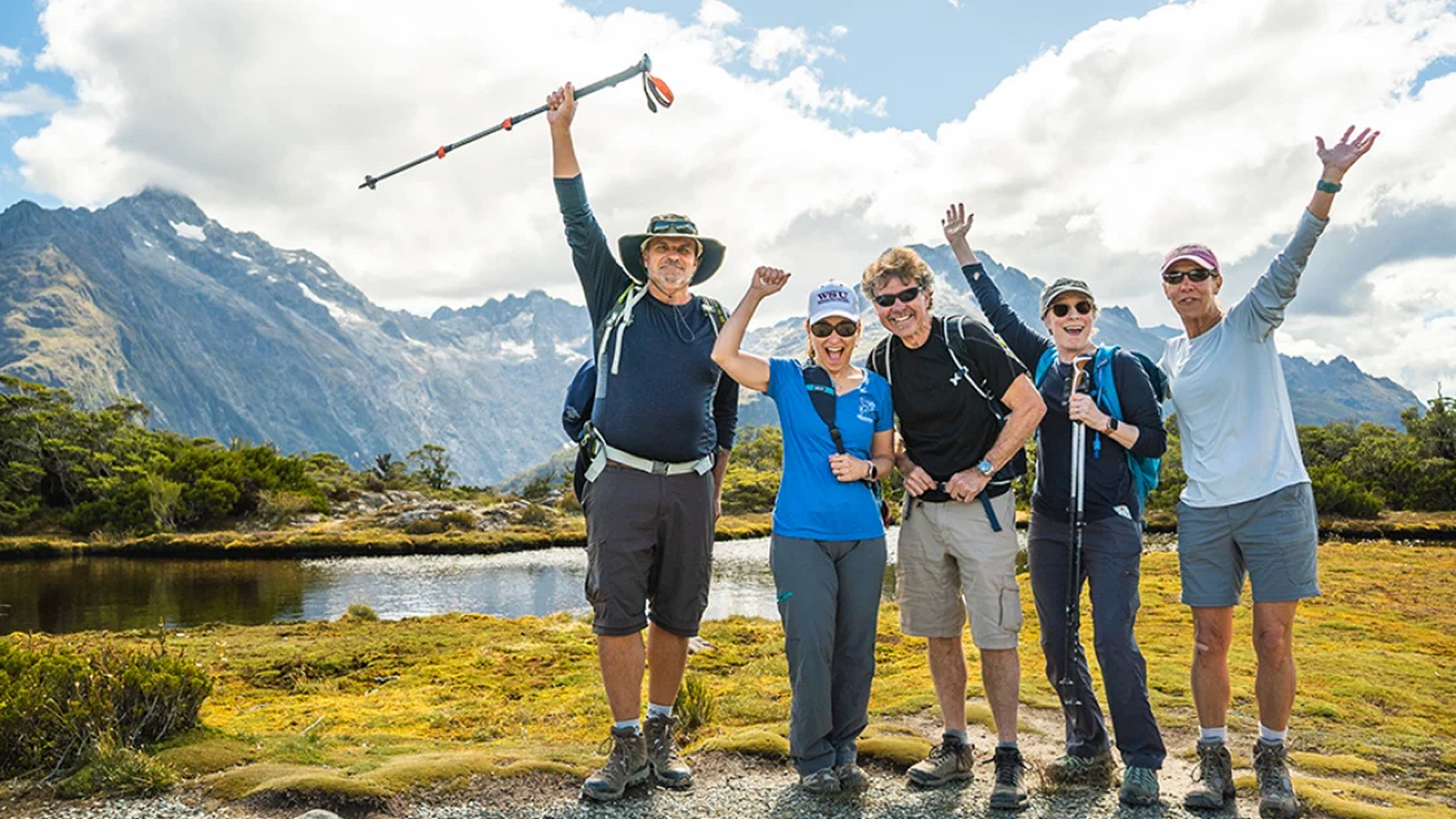
For most hiking-focused trips, late spring through early autumn offers the widest range of accessible trails.
December through February is particularly popular for longer hikes and multi-day routes.
However, weather conditions can change quickly, particularly in alpine regions.
Always check local weather and trail conditions before starting a hike.
Some high-altitude routes may have snow and winter conditions outside the summer season.
Best Time to Visit Milford Sound
Milford Sound can be visited throughout the year.
Summer provides longer daylight hours and easier conditions for many outdoor activities.
However, the region receives significant rainfall, and rainy weather can create hundreds of temporary waterfalls along the surrounding cliffs.
This means a rainy day isn’t necessarily a bad time to visit.
Winter can provide a quieter experience, with snow-covered mountains creating a dramatic landscape.
If you have flexibility, allow some extra time around your Milford Sound visit so you can adapt to weather conditions.
Best Time for Beaches
If beaches are a major part of your trip, summer is the obvious choice.
December through February generally provides the warmest conditions for beach activities.
Popular coastal destinations include:
- Bay of Islands
- Coromandel Peninsula
- Abel Tasman
- Northland
- Auckland’s surrounding beaches
- Nelson and Tasman
The North Island tends to provide more options for travelers looking for warmer beach conditions.
Best Time for Wildlife
New Zealand offers many wildlife experiences throughout the year.
Depending on where you travel, you can see penguins, seals, dolphins, whales, albatrosses, and native birds.
Kaikōura is particularly well known for marine wildlife experiences.
The best season depends on the species and experience you’re looking for, so check local operators and conservation information when planning.
Best Time to Visit Auckland
Auckland can be visited year-round.
Summer is excellent for combining the city with beaches and nearby islands.
Spring and autumn are comfortable for city sightseeing and day trips.
Winter can bring more rain but also offers an opportunity to explore Auckland’s restaurants, museums, galleries, and indoor attractions.
Because Auckland is often the starting point for international travelers, it works well at either the beginning or end of a New Zealand itinerary.
Best Time to Visit Queenstown
Queenstown is a year-round destination.
Visit during winter if skiing and snowboarding are your priorities.
Choose summer for hiking, boating, cycling, and longer outdoor days.
Autumn brings beautiful colors around the lakes and surrounding hills.
Spring offers a mix of snow in the mountains and greener landscapes at lower elevations.
How Long Should You Spend in New Zealand?
For a first visit, 10 to 14 days can provide a useful introduction to the country.
However, New Zealand is spread across two main islands, and trying to see everything in two weeks can involve a lot of travel.
For a more relaxed experience, three weeks or more gives you greater flexibility.
If you have limited time, consider focusing on one island rather than trying to cover both.
Two-week South Island example
Days 1–2: Christchurch
Days 3–4: Aoraki/Mount Cook
Days 5–6: Queenstown
Day 7: Wanaka
Days 8–9: Milford Sound
Days 10–11: West Coast
Days 12–13: Nelson or Abel Tasman
Day 14: Return toward Christchurch
This is only an example and should be adjusted depending on your interests and travel pace.
Is New Zealand Expensive?
New Zealand can be a relatively expensive destination, particularly during the busiest travel periods.
Accommodation, rental cars, activities, and long-distance transportation can make up a significant part of your budget.
You can reduce costs by:
- Booking accommodation early
- Staying in apartments or hostels
- Preparing some meals yourself
- Traveling outside peak periods
- Choosing free hiking and nature experiences
- Comparing rental-car options
- Avoiding overly packed itineraries
Many of New Zealand’s best experiences, including hiking and enjoying scenic landscapes, can be inexpensive or free.
What to Pack for New Zealand
New Zealand weather can change quickly, particularly in mountainous areas.
Pack clothing that allows you to layer.
Useful items include:
- Waterproof jacket
- Warm layers
- Comfortable hiking shoes
- Sun protection
- Reusable water bottle
- Lightweight daypack
- Comfortable walking clothes
- Warm clothing for alpine areas
Even during summer, mountain destinations can be considerably cooler than coastal cities.
Final Thoughts
There is no single best month to visit New Zealand.
The right time depends on what you want from your trip.
Choose summer for hiking, beaches, road trips, and long outdoor days.
Choose autumn for colorful landscapes and a quieter travel experience.
Choose winter for skiing, snow-covered mountains, and winter scenery.
Choose spring for fresh landscapes, flowers, and outdoor adventures.
For first-time visitors, the most important thing is not simply choosing the “perfect” season. Give yourself enough time, plan around the experiences you care about most, and leave some flexibility for New Zealand’s changeable weather.
Whether you’re exploring the South Island by road, hiking around national parks, relaxing beside a lake, or discovering Auckland and Wellington, New Zealand offers something different in every season.