
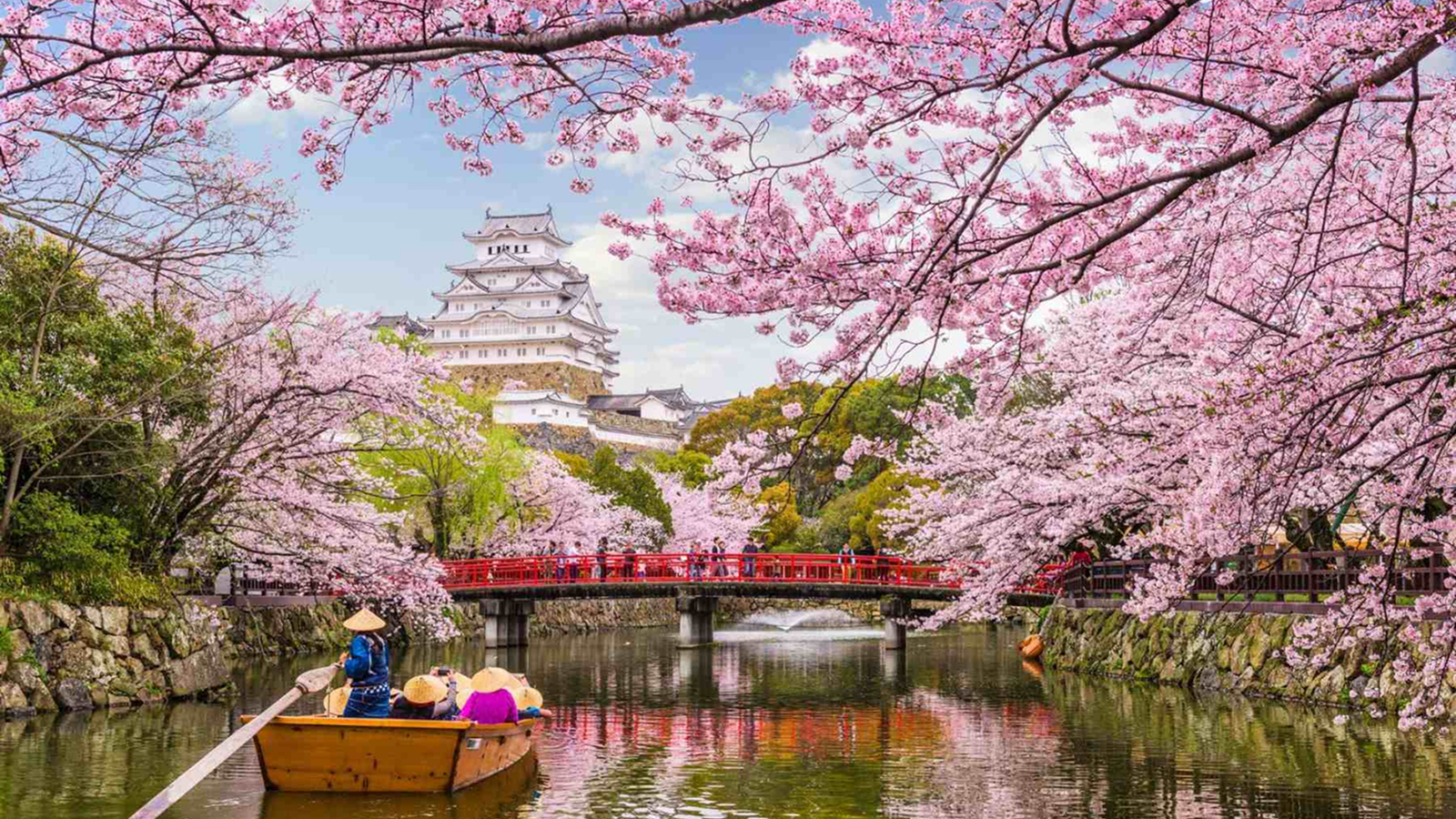
Japan is a destination that changes dramatically with the seasons. Cherry blossoms transform cities and parks in spring, summer brings festivals and mountain escapes, autumn covers the countryside in colorful foliage, and winter creates excellent conditions for snow, skiing, and traditional hot-spring experiences.
There is no single best time to visit Japan for every traveler. The right season depends on what you want to see, where you plan to go, and how you feel about crowds and weather.
This guide breaks down Japan by season to help you choose the best time for your trip.
Japan by Season
| Season | Months | Best For |
|---|---|---|
| Spring | March–May | Cherry blossoms, cities, gardens |
| Summer | June–August | Festivals, mountains, northern Japan |
| Autumn | September–November | Fall colors, sightseeing, photography |
| Winter | December–February | Skiing, snow, hot springs |
Spring — Best for Cherry Blossoms
Spring is one of the most popular times to visit Japan, largely because of the country’s famous cherry blossoms.
The exact flowering period varies each year and differs between regions, but late March and early April are commonly associated with cherry-blossom season in major destinations such as Tokyo and Kyoto.
Parks, temple grounds, riversides, and gardens become especially beautiful when the trees are in bloom.
Why visit Japan in spring?
- Cherry blossoms
- Comfortable sightseeing weather
- Beautiful gardens and parks
- Seasonal food
- Excellent photography opportunities
Things to consider
Spring is a very popular travel period.
Hotels and transportation can become busy around peak blossom periods, so travelers hoping to see cherry blossoms should plan ahead rather than relying on exact historical dates.
March — Early Spring and Cherry Blossoms
March is a transition month.
Temperatures gradually become milder, but conditions can still feel cool, especially in the mornings and evenings.
Cherry blossoms begin appearing in some parts of Japan toward the end of the month, depending on the year and location.
If you want to combine early spring with fewer crowds, the first part of March can be worth considering.
April — Peak Spring Atmosphere
April is one of the most popular months for visiting Japan.
In many areas, cherry blossoms can create spectacular scenery, although the timing varies from year to year.
Tokyo, Kyoto, Osaka, and other major destinations can become particularly busy.
If you visit during this period, book accommodation early and be prepared for higher demand around popular attractions.
Beyond the blossoms, April is also a great month for walking through historic neighborhoods, gardens, temples, and city parks.
May — One of the Best Months for General Travel
May can be an excellent month if you want comfortable sightseeing conditions without making cherry blossoms the main focus of your trip.
The landscapes become greener, temperatures are generally pleasant, and outdoor activities become increasingly enjoyable.
However, Japan’s Golden Week holiday period can bring particularly high domestic travel demand, so check the dates when planning your trip.
If possible, avoid building your entire itinerary around this busy period.
Summer — Best for Festivals and Mountains
Summer in Japan can be hot and humid, especially in major cities.
However, summer also brings festivals, fireworks, mountain activities, and opportunities to explore cooler northern regions.
If you enjoy cultural events and don’t mind heat and humidity, summer can still be a rewarding time to visit.
Why visit in summer?
- Traditional festivals
- Fireworks
- Mountain hiking
- Coastal destinations
- Longer daylight hours
Northern Japan and higher-elevation areas can offer more comfortable conditions than major cities during the hottest periods.
June — Rainy Season
June is commonly associated with Japan’s rainy season in many parts of the country.
Rain doesn’t necessarily mean your trip will be a washout, but you should expect wetter conditions in many destinations.
The advantage is that landscapes and gardens can look especially green.
Bring a compact umbrella or waterproof layer and plan a mixture of indoor and outdoor activities.
July — Festivals and Outdoor Adventures
July brings warmer conditions and the beginning of a major summer travel period.
Many festivals take place during summer, while mountain areas become increasingly accessible for hiking.
If you plan to climb Mount Fuji during the official climbing season, check the current official guidance and opening conditions before your trip.
Cities can be hot, so schedule outdoor sightseeing for mornings and evenings when possible.
August — Hot but Lively
August is generally one of the hottest periods in many parts of Japan.
However, it is also a lively month for festivals, fireworks, and summer events.
If you travel during August, consider adding destinations where you can escape the strongest heat, such as Hokkaido or mountainous regions.
Carry water, use sun protection, and take breaks during long sightseeing days.
Autumn — Best for Fall Colors
Autumn is another excellent season for visiting Japan.
As temperatures become cooler, forests and mountains gradually turn shades of yellow, orange, and red.
The timing varies significantly by region and elevation.
Northern areas and mountain regions generally see autumn colors earlier than warmer southern areas.
Why visit Japan in autumn?
- Beautiful foliage
- Comfortable temperatures
- Excellent hiking conditions
- Scenic temples and gardens
- Photography
Kyoto is particularly popular during autumn because traditional temples and gardens create dramatic settings for seasonal foliage.
September — Early Autumn
September can still feel like summer in many parts of Japan, particularly early in the month.
Temperatures gradually become more comfortable later in the season.
Because weather can vary and tropical systems can affect parts of Japan, keep an eye on forecasts if you are planning outdoor activities.
October — Excellent for Sightseeing
October is often one of the most comfortable months for exploring Japan.
Temperatures are generally more pleasant than summer, making long days of walking easier.
In northern areas and higher elevations, autumn colors may begin appearing.
It is a particularly good month for combining cities with countryside destinations.
November — Peak Autumn Scenery in Many Areas
November can offer spectacular autumn scenery in central and southern parts of Japan.
Kyoto, Tokyo, Osaka, and other destinations can become very attractive as parks and temple gardens change color.
Like cherry blossoms, autumn foliage timing varies each year, so check regional forecasts closer to your travel dates.
Winter — Best for Snow and Hot Springs
Winter transforms Japan into a completely different destination.
Northern Japan and mountain areas receive substantial snowfall, creating excellent conditions for skiing and snowboarding.
Winter is also a great season for experiencing traditional hot springs, known as onsen.
Why visit Japan in winter?
- Skiing and snowboarding
- Snow-covered landscapes
- Hot springs
- Winter cuisine
- Fewer tourists in some areas
Popular winter destinations include Hokkaido, Nagano, and mountain areas of central and northern Japan.
December — Winter Begins
December brings colder temperatures and winter scenery to many parts of Japan.
Tokyo and Kyoto can be cold but are still relatively easy to explore with appropriate clothing.
Northern and mountain regions are better choices if snow is one of your main reasons for visiting.
January — Best for Snow Experiences
January is an excellent month for travelers who specifically want snow.
Hokkaido is particularly well known for winter conditions and skiing.
Mountain destinations can also offer snowy landscapes and hot-spring experiences.
If you are planning a ski trip, research resort conditions and accommodation availability before booking.
February — Excellent for Skiing
February continues the winter season and is another strong month for skiing and snowboarding.
Snow festivals and winter events can also make this month particularly interesting.
If you prefer city sightseeing and warmer conditions, however, winter may not be the easiest season for a first trip.
Best Time to Visit Tokyo
Tokyo can be visited throughout the year.
Spring is popular for cherry blossoms.
Autumn offers comfortable temperatures and colorful parks.
Winter can be useful for travelers who prefer cooler weather and fewer crowds at some attractions.
Summer is lively but can be hot and humid.
For general sightseeing, spring and autumn are often the easiest seasons.
Best Time to Visit Kyoto
Kyoto is beautiful in every season, but spring and autumn are especially popular.
Spring brings cherry blossoms to temples, gardens, and parks.
Autumn brings colorful foliage to historic temple grounds and surrounding mountains.
Because Kyoto becomes extremely busy during peak seasonal periods, consider visiting popular attractions early in the morning.
Best Time to Visit Hokkaido
Hokkaido is particularly attractive in winter for snow activities.
If skiing and winter landscapes are your priority, December through February can be excellent.
Summer is also a strong season for Hokkaido because temperatures can be more comfortable than in many other parts of Japan.
Best Time to Visit Mount Fuji
Mount Fuji can be viewed from many locations throughout the year, but visibility varies depending on weather.
If you specifically want to climb the mountain, you need to travel during the official climbing season and check current access information.
For photography and sightseeing, flexibility is important because clouds can obscure the mountain even during otherwise pleasant weather.
How Many Days Do You Need in Japan?
For a first trip, 10 to 14 days is a good starting point.
A classic route could include:
Days 1–4: Tokyo
Days 5–7: Kyoto
Day 8: Osaka
Days 9–10: Nara and surrounding areas
Days 11–14: Hiroshima, Hakone, or another destination
If you only have one week, focus on Tokyo and Kyoto rather than trying to cover too much.
What to Pack for Japan
Your packing list should depend on the season.
Spring and autumn
- Light layers
- Comfortable walking shoes
- Light jacket
- Compact umbrella
Summer
- Lightweight clothing
- Comfortable shoes
- Sun protection
- Reusable water bottle
Winter
- Warm coat
- Layers
- Gloves
- Warm footwear
Japan involves a lot of walking, especially in major cities, so comfortable shoes are essential regardless of the season.
Japan Travel Tips
Book early for peak seasons
Cherry blossom season and autumn foliage periods can become very busy.
Check regional weather
Japan stretches across a large geographic area, so Tokyo’s weather can be very different from Hokkaido’s.
Use public transportation
Japan’s rail and public transportation systems make it relatively easy to travel between major destinations.
Plan around crowds
Visit major attractions early when possible, particularly during peak travel seasons.
Don’t try to see everything
Japan has enough destinations for multiple trips. A slower itinerary will usually be more enjoyable than constantly moving between cities.
Final Thoughts
The best time to visit Japan depends on what you want from your trip.
For cherry blossoms, spring is the obvious choice. For comfortable sightseeing and autumn colors, September through November can be excellent. For skiing, snow, and hot springs, winter is the season to choose.
If this is your first trip and you don’t have a specific seasonal goal, spring and autumn are generally the easiest periods for exploring cities, temples, food destinations, and countryside.
Whatever season you choose, Japan offers a different experience throughout the year. The key is to match your destination and activities with the season rather than trying to find one perfect month for the entire country.