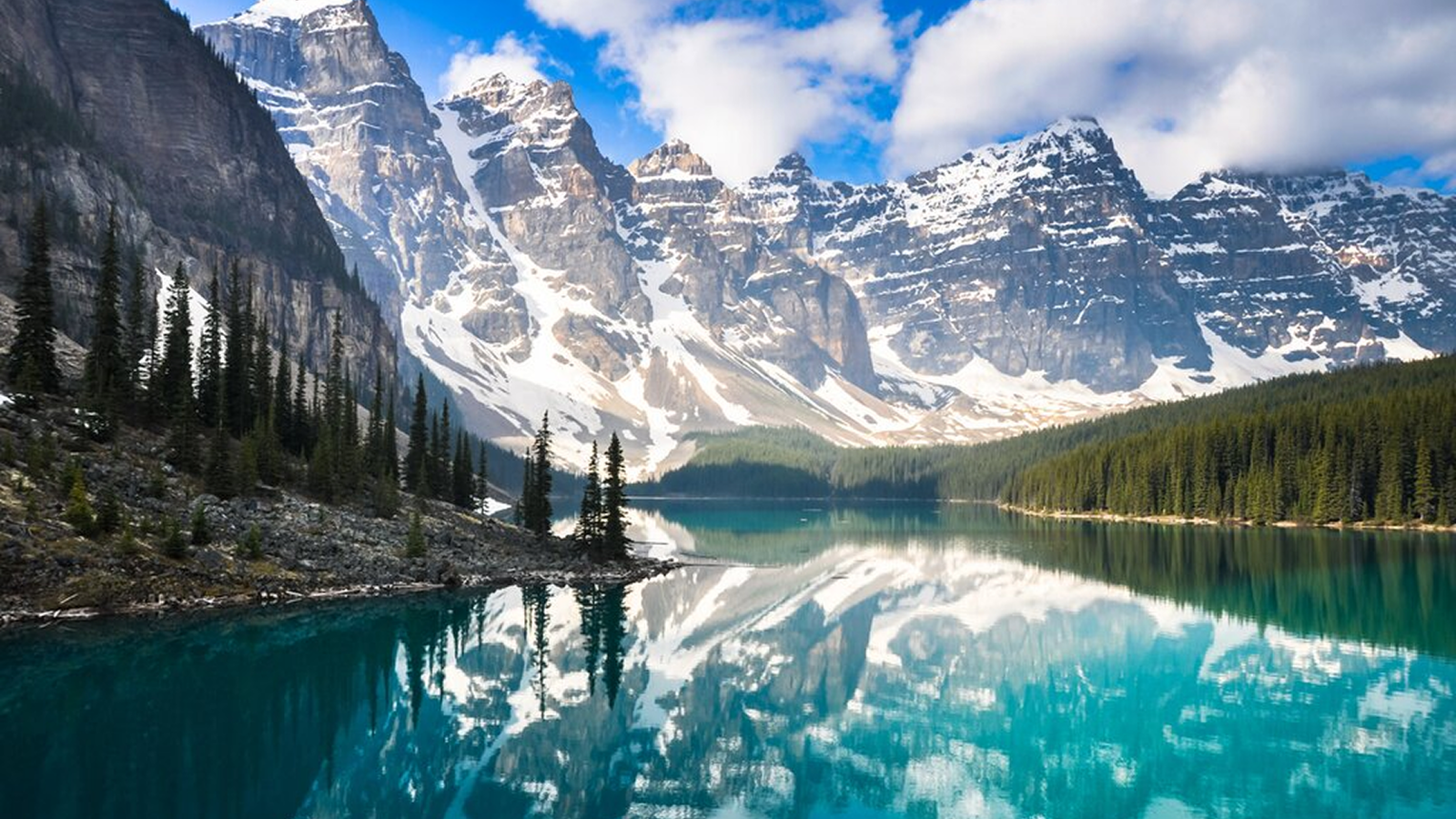
Canada is a huge country with dramatically different landscapes and climates. From the Rocky Mountains and turquoise lakes of Alberta and British Columbia to the historic cities of Quebec and the coastal scenery of Nova Scotia, the best time to visit depends heavily on what you want to experience.
Summer is popular for road trips, hiking, and national parks, while autumn brings spectacular foliage. Winter is ideal for skiing, snow-covered landscapes, and winter festivals, and spring can be a quieter time to explore cities and lower-elevation destinations.
If you are planning your first trip to Canada, this guide will help you decide when to go based on weather, activities, crowds, and different regions.
Canada by Season
| Season | Months | Best For |
|---|---|---|
| Spring | March–May | Cities, waterfalls, fewer crowds |
| Summer | June–August | Hiking, road trips, national parks |
| Autumn | September–November | Fall colors, photography, city breaks |
| Winter | December–February | Skiing, snow activities, winter scenery |
Summer — Best for Outdoor Adventures
For many travelers, summer is the easiest time to explore Canada.
From June through August, many popular destinations have long daylight hours and more comfortable conditions for outdoor activities.
This is an excellent season for exploring the Canadian Rockies, taking road trips, hiking around national parks, and visiting lakes and mountain towns.
Popular summer destinations include:
- Banff
- Jasper
- Vancouver
- Whistler
- Toronto
- Montreal
- Quebec City
- Prince Edward Island
Why visit in summer?
- Long daylight hours
- Hiking trails are generally easier to access
- National parks are at their most accessible
- Excellent conditions for road trips
- Many outdoor attractions are open
Things to consider
Summer is also the busiest travel season in many parts of Canada.
Popular destinations can become crowded, and accommodation prices may be higher. If you plan to visit major national parks, booking accommodation and popular activities ahead of time is a good idea.
June — A Great Start to Summer
June can be an excellent month for travelers who want summer conditions without the busiest part of the season.
Days are long, temperatures are generally comfortable in many destinations, and outdoor attractions are becoming increasingly accessible.
Some higher-elevation areas may still have snow, so conditions vary considerably depending on where you travel.
June is particularly attractive for city trips and lower-elevation hiking.
July — Best for Peak Summer Experiences
July is one of Canada’s busiest travel months.
The weather is generally favorable for outdoor adventures, and many hiking trails, scenic drives, lakes, and national parks are accessible.
It is a particularly popular month for destinations such as Banff, Jasper, Vancouver, and the Canadian Rockies.
If you want to take a summer road trip through Canada, July offers excellent opportunities.
However, plan ahead because popular accommodation can fill quickly.
August — Great for Road Trips
August continues Canada’s summer season and is another excellent month for outdoor travel.
It can be particularly good for longer road trips because many regions offer warm weather and long days.
You can combine cities, national parks, mountain towns, and coastal destinations in one trip.
If you prefer slightly less intense summer crowds, traveling toward the end of August can be worth considering.
Autumn — Best for Fall Colors
Autumn is one of Canada’s most beautiful seasons.
As temperatures begin to fall, forests across many parts of the country change from green to shades of yellow, orange, and red.
September and October are particularly attractive for travelers interested in photography, scenic drives, hiking, and quieter city breaks.
Popular areas for autumn scenery include:
- Quebec
- Ontario
- British Columbia
- Alberta
- Nova Scotia
The exact timing of fall colors varies by region and elevation, so it is important to check local conditions when planning a foliage trip.
September — One of the Best Months Overall
September can be an excellent compromise between summer and autumn.
The weather is often comfortable, summer crowds begin to decrease, and many outdoor destinations remain accessible.
Early September can still feel like summer, while later in the month you may start seeing autumn colors in some regions.
For travelers who want to combine cities and nature, September is a particularly useful month.
October — Best for Autumn Scenery
October is ideal if your main goal is experiencing Canada’s fall colors.
Quebec and Ontario are especially popular for autumn landscapes, while other regions also offer beautiful seasonal scenery.
Temperatures can vary considerably, so pack layers and check the weather for your specific destination.
If you are planning outdoor activities, remember that daylight hours are shorter than in summer.
Winter — Best for Snow and Skiing
Canada’s winters can be cold, but they also create some of the country’s most distinctive travel experiences.
From ski resorts in British Columbia and Alberta to snowy cities and frozen landscapes, winter can be an excellent time to visit if you enjoy cold-weather activities.
Popular winter experiences include:
- Skiing
- Snowboarding
- Ice skating
- Snowshoeing
- Winter festivals
- Northern lights viewing
- Dog sledding
Best winter destinations
Whistler: Excellent for skiing and mountain activities.
Banff: Beautiful winter scenery with access to several outdoor activities.
Quebec City: Historic architecture combined with a classic winter atmosphere.
Jasper: A good choice for mountain scenery and winter adventures.
December — Best for a Winter Atmosphere
December brings shorter days, cold temperatures, and winter scenery across much of Canada.
Cities such as Quebec City can feel especially atmospheric during the holiday season.
If you enjoy Christmas markets, festive decorations, winter food, and snow-covered streets, December can be a memorable time to visit.
January — Best for Snow Activities
January is one of the coldest months in many parts of Canada.
For travelers specifically interested in skiing, snowboarding, or other winter activities, this can be a great time to visit mountain destinations.
Make sure you pack appropriate winter clothing, especially if you plan to spend significant time outdoors.
February — Great for Winter Adventures
February continues the winter season and can be an excellent month for ski trips and other snow activities.
It can also be a good time to explore Canada’s winter cities if you enjoy seasonal events and cold-weather experiences.
Spring — Best for a Quieter Trip
Spring can be a transitional season in Canada.
March and April can still feel like winter in many regions, while May brings warmer conditions and more signs of summer.
Spring is generally less popular than summer, which can make it attractive for travelers looking for fewer crowds.
However, conditions can be unpredictable, particularly in March and April.
March — Late Winter Conditions
March can still be very cold in many Canadian destinations.
Mountain areas may continue to have excellent snow conditions, making March useful for skiing.
If you are primarily interested in city sightseeing, check local weather carefully because conditions can vary significantly between regions.
April — A Transitional Month
April is often a period of change.
Snow may begin disappearing in lower-elevation areas, but some regions can still experience winter-like conditions.
This can be a quieter time for city travel, although some outdoor attractions may not yet be operating at their full summer schedule.
May — The Start of Warmer Travel
May can be a pleasant month for exploring cities and lower-elevation destinations.
Temperatures begin rising, parks become greener, and spring landscapes become more noticeable.
However, higher mountain areas can still have snow, and some hiking routes may not yet be fully accessible.
Best Time to Visit the Canadian Rockies
If the Canadian Rockies are the main reason for your trip, June through September is generally the most practical period for hiking, sightseeing, and scenic drives.
July and August provide peak summer access, while September can offer a combination of comfortable weather, fewer crowds, and early autumn scenery.
Winter is better suited to travelers interested in skiing and snow-covered mountain landscapes.
Best Time to Visit Vancouver
Vancouver has a relatively mild climate compared with many other Canadian cities.
Summer is excellent for exploring the city, nearby mountains, parks, and outdoor attractions.
Spring and autumn can also be enjoyable, particularly if you want to avoid peak summer crowds.
Winter is milder than in many other Canadian destinations, although rain is common.
Best Time to Visit Toronto
Toronto can be visited throughout the year, but late spring, summer, and early autumn are generally comfortable for exploring the city.
Summer is particularly good for outdoor activities and waterfront areas.
September and October can also be pleasant for sightseeing before temperatures become colder.
Best Time to Visit Quebec City
Quebec City offers something different in every season.
Summer is ideal for walking through the historic streets and enjoying outdoor attractions.
Autumn brings colorful foliage.
Winter transforms the city into a snowy destination with a distinctive seasonal atmosphere.
If you love winter scenery, Quebec City can be one of the most memorable places to visit in Canada during the colder months.
When Is the Cheapest Time to Visit Canada?
There is no single low season across the entire country because Canada is so large.
However, traveling outside major summer and holiday periods can sometimes provide better accommodation prices.
Late spring and certain periods of autumn may offer a useful balance between weather and cost.
Winter can also vary considerably depending on the destination. Ski resorts may be expensive during peak periods, while cities can have different pricing patterns.
Always compare accommodation and transportation costs for your specific destination and dates.
How Many Days Do You Need in Canada?
Canada is too large to experience properly in one short trip.
For a first visit, 7 to 10 days can work well if you focus on one region.
For example:
7 days: Vancouver + nearby attractions
8–10 days: Calgary + Banff + Jasper
7–10 days: Toronto + Niagara Falls + nearby destinations
10–14 days: Quebec City + Montreal + surrounding areas
If you have several weeks, you can combine multiple regions, but domestic flights may become necessary because of the country’s enormous size.
What to Pack for Canada
Your packing list should depend heavily on the season and destination.
For summer:
- Comfortable walking shoes
- Light layers
- Rain jacket
- Sun protection
- Daypack
For autumn and spring:
- Warm layers
- Waterproof jacket
- Comfortable shoes
- Light gloves
For winter:
- Insulated jacket
- Warm layers
- Gloves
- Hat
- Waterproof winter footwear
For mountain destinations, always check conditions before traveling because weather can change quickly.
Final Thoughts
The best time to visit Canada depends on what you want to experience.
For hiking, road trips, national parks, and mountain scenery, summer is the safest overall choice. For spectacular autumn landscapes, September and October can be excellent. If skiing and winter activities are your priority, December through February offers the classic Canadian winter experience.
Because Canada is so large, don’t choose your travel dates before deciding where you want to go. The best season for Vancouver may not be the best season for the Canadian Rockies, Quebec, or the Atlantic provinces.
Choose your region first, then plan your trip around its weather, activities, and seasonal highlights.