
Japan is famous for much more than sushi. From steaming bowls of ramen and crispy tempura to comforting curry and delicate regional specialties, Japanese food is an essential part of the travel experience.
One of the best things about traveling through Japan is discovering how much the food changes from one destination to another. Tokyo offers almost endless dining options, Osaka is known for its lively street-food culture, Kyoto is celebrated for traditional cuisine, and Hokkaido is famous for seafood and rich dairy products.
Whether you’re visiting Japan for the first time or returning for another trip, these 15 Japanese foods are worth adding to your itinerary.
1. Sushi
Sushi is one of Japan’s most internationally recognized foods, but eating it in Japan can be a completely different experience.
Traditional sushi focuses on the quality of the rice, freshness of the seafood, and balance between each ingredient. You can find everything from affordable conveyor-belt sushi restaurants to high-end sushi counters.
Popular varieties include:
- Nigiri
- Maki rolls
- Temaki
- Sashimi
- Chirashi sushi
Tokyo is particularly well known for its sushi culture, while coastal destinations throughout Japan also offer excellent local seafood.
Best for: Seafood lovers and first-time visitors to Japan.
2. Ramen
Ramen is one of the easiest Japanese dishes to fall in love with.
A typical bowl combines noodles with a flavorful broth and toppings such as sliced pork, green onions, bamboo shoots, seaweed, and soft-boiled egg.
Different regions have their own styles. Tokyo is associated with soy-based ramen, while Hakata in Fukuoka is famous for rich tonkotsu ramen. Hokkaido is known for miso ramen.
Because every restaurant can have its own recipe, trying ramen at different stops can become part of your Japan itinerary.
Best for: Comfort food lovers.
3. Tempura
Tempura consists of seafood or vegetables coated in a light batter and fried until crisp.
Unlike heavily battered fried foods, good tempura is delicate and emphasizes the natural flavor of the ingredients.
Common ingredients include shrimp, squid, eggplant, sweet potato, pumpkin, mushrooms, and seasonal vegetables.
Tempura can be served as a standalone meal, with rice, or alongside soba or udon noodles.
Best for: Travelers who enjoy crispy seafood and vegetables.
4. Okonomiyaki
Often described as a Japanese savory pancake, okonomiyaki is especially associated with Osaka and Hiroshima.
The Osaka style generally mixes ingredients such as cabbage, batter, meat or seafood, and other toppings before cooking. Hiroshima-style okonomiyaki is built in layers and commonly includes noodles.
The dish is usually finished with a sweet-savory sauce, mayonnaise, seaweed, and bonito flakes.
Part of the experience is watching the dish being cooked in front of you.
Best for: Casual dining and food-focused travelers.
5. Takoyaki
Takoyaki is one of Osaka’s most famous street foods.
These small round balls are made from a soft batter containing pieces of octopus and are cooked in a special molded pan.
They’re typically topped with takoyaki sauce, mayonnaise, seaweed, and bonito flakes.
Be careful when eating them straight from the pan—they can be extremely hot inside.
Best for: Street-food lovers.
6. Yakitori
Yakitori is grilled chicken served on skewers and is particularly popular at casual restaurants and izakayas.
Different parts of the chicken can be grilled, including:
- Chicken thigh
- Breast
- Skin
- Wings
- Meatballs
- Liver
The skewers are commonly seasoned with salt or a sweet-savory sauce called tare.
Yakitori is especially enjoyable in the evening, when small restaurants and izakayas become lively gathering places.
Best for: Casual evening meals.
7. Udon
Udon noodles are thick, chewy, and comforting.
They can be served in a hot broth or chilled with a dipping sauce, depending on the season and preparation.
Popular versions include kitsune udon, topped with sweet fried tofu, and tempura udon, served with crispy tempura.
Udon is generally a simple dish, but the quality of the noodles and broth can make a huge difference.
Best for: A quick and satisfying meal.
8. Soba
Soba noodles are made primarily from buckwheat and have a distinctive earthy flavor.
They can be enjoyed hot in broth or cold with a dipping sauce. Cold soba can be particularly refreshing during warmer months.
Soba is also closely connected to Japanese food traditions and can be found throughout the country.
For travelers interested in Japanese culinary culture, visiting a traditional soba restaurant can be a memorable experience.
Best for: Travelers looking for traditional Japanese cuisine.
9. Japanese Curry
Japanese curry is thicker, sweeter, and generally milder than many other Asian curry styles.
It is commonly served over steamed rice with toppings such as breaded pork cutlet, chicken, vegetables, or seafood.
Katsu curry is one of the most popular versions and combines Japanese curry with a crispy breaded cutlet.
It’s filling, affordable, and easy to find across Japan.
Best for: Comfort food and budget-friendly meals.
10. Tonkatsu
Tonkatsu is a breaded and deep-fried pork cutlet served with shredded cabbage and a rich Japanese-style sauce.
The outside is crispy while the pork remains tender inside.
You can find tonkatsu as part of set meals, sandwiches, rice bowls, and curry dishes.
For a simple introduction to Japanese comfort food, tonkatsu is an excellent choice.
Best for: Meat lovers.
11. Donburi
Donburi refers to Japanese rice bowls topped with different ingredients.
There are many variations, making it one of the most useful food categories to know when traveling around Japan.
Popular examples include:
- Gyudon: Beef and onions over rice
- Katsudon: Pork cutlet with egg and onions
- Oyakodon: Chicken and egg over rice
- Tendon: Tempura over rice
- Kaisendon: Fresh seafood over rice
Donburi meals are usually convenient and satisfying, making them ideal during busy sightseeing days.
Best for: Quick lunches and casual dining.
12. Shabu-Shabu
Shabu-shabu is a Japanese hot pot experience.
Thinly sliced meat and vegetables are cooked by briefly swishing them through a pot of hot broth. The cooked ingredients are then dipped into sauces before eating.
The meal is interactive and works particularly well when traveling with family or friends.
You can usually choose from different meats, vegetables, tofu, mushrooms, and other ingredients.
Best for: Groups and social dining.
13. Wagyu Beef
Wagyu is famous around the world for its rich marbling and tender texture.
Japan has several regional beef varieties, and travelers may encounter different types depending on where they visit.
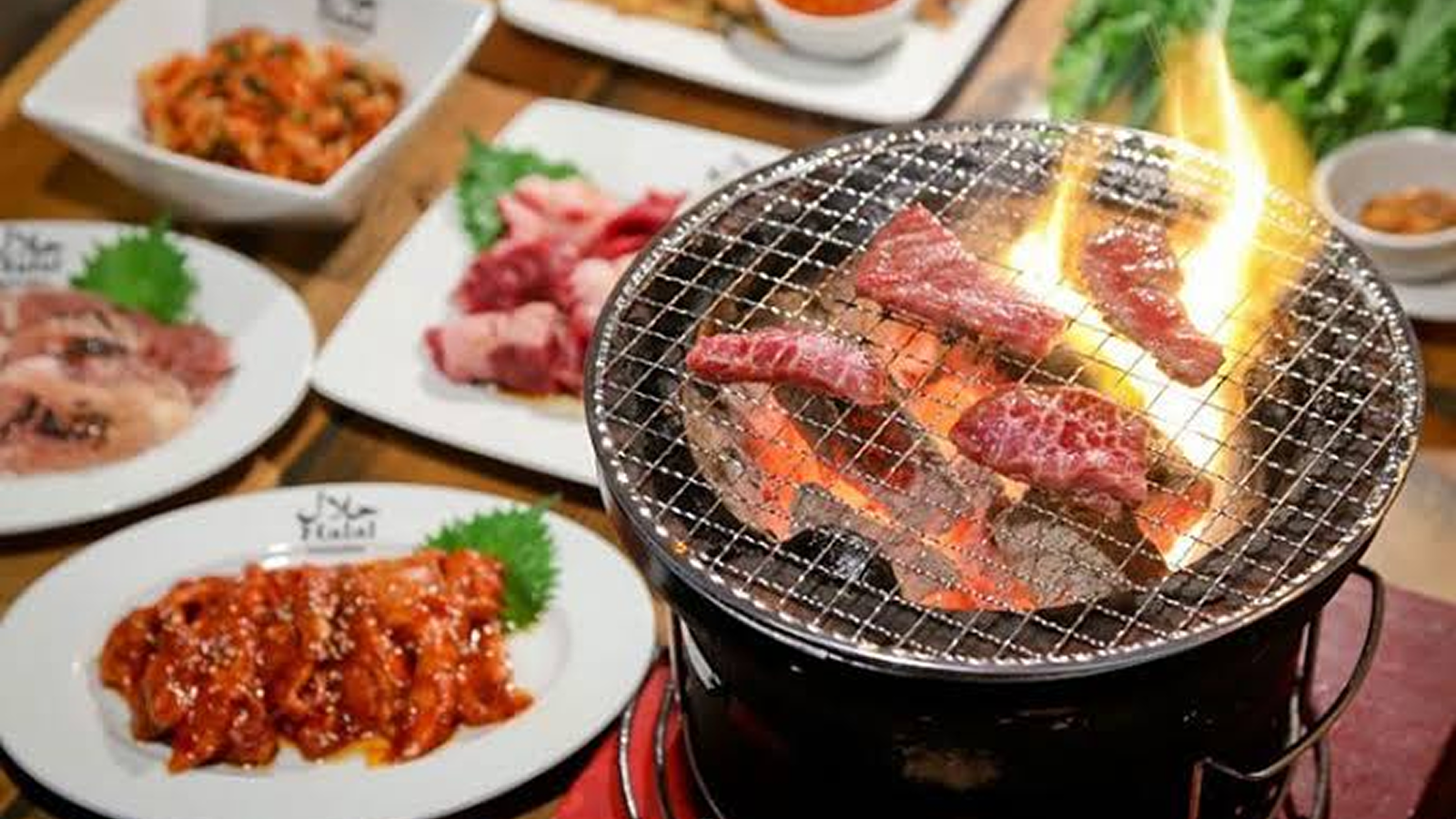
Some restaurants serve wagyu grilled at the table, while others offer it as part of dishes such as steak, sukiyaki, or shabu-shabu.
Because premium wagyu can be expensive, travelers on a budget can look for lunch menus or smaller portions.
Best for: Special occasions and food-focused trips.
14. Matcha Desserts
Matcha is deeply connected with Japanese tea culture, but you don’t have to stop at traditional tea.
Matcha is now used in many desserts, including:
- Matcha ice cream
- Matcha cakes
- Matcha parfaits
- Matcha mochi
- Matcha pudding
- Matcha drinks
Kyoto is particularly associated with high-quality matcha and traditional tea culture.
Trying a matcha dessert after exploring temples and historic neighborhoods can be a great way to experience another side of Japanese cuisine.
Best for: Dessert lovers and tea enthusiasts.
15. Mochi
Mochi is a soft, chewy rice cake made from glutinous rice.
It comes in many varieties and can be filled with sweet red bean paste, matcha, fruit, or ice cream.
Some types are associated with particular seasons and celebrations, while others are popular everyday sweets.
Fresh mochi has a very different texture from packaged versions, so trying it from a traditional confectionery can be worthwhile.
Best for: Travelers looking for traditional Japanese sweets.
Where to Experience Japanese Food
Japan’s food culture changes significantly from region to region.
Tokyo
Tokyo is ideal for travelers who want variety. You can find everything from sushi and ramen to high-end kaiseki restaurants and casual izakayas.
Osaka
Osaka is often associated with casual dining and street food. Takoyaki and okonomiyaki are two dishes you shouldn’t miss.
Kyoto
Kyoto offers a strong connection to traditional Japanese cuisine, tea culture, seasonal ingredients, and refined dining.
Hokkaido
Hokkaido is particularly well known for seafood, dairy products, crab, corn, and regional ramen.
Fukuoka
Fukuoka is famous for tonkotsu ramen and lively food stalls known as yatai.
Japanese Food Etiquette for Travelers
You don’t need to be an expert in Japanese dining etiquette, but a few simple habits can make your experience smoother.
Use chopsticks appropriately, avoid sticking them vertically into rice, and follow the restaurant’s lead when it comes to ordering and seating.
At some restaurants, especially traditional ones, shoes may need to be removed before entering certain areas.
It’s also worth remembering that tipping is not generally expected in Japan. Instead, good service is considered part of the dining experience.
Final Thoughts
Food can be one of the most memorable parts of a trip to Japan.
From sushi and ramen to Osaka’s street food, Kyoto’s traditional cuisine, Hokkaido’s seafood, and Japan’s endless selection of sweets, there is something for almost every type of traveler.
You don’t need to visit expensive restaurants to experience great Japanese food. Some of the most memorable meals can come from small ramen shops, local noodle restaurants, neighborhood izakayas, markets, and street-food stalls.
If you’re planning your first trip to Japan, try to leave some space in your itinerary for spontaneous meals. Japan is a destination where following the smell of something delicious can sometimes lead to one of your best travel memories.