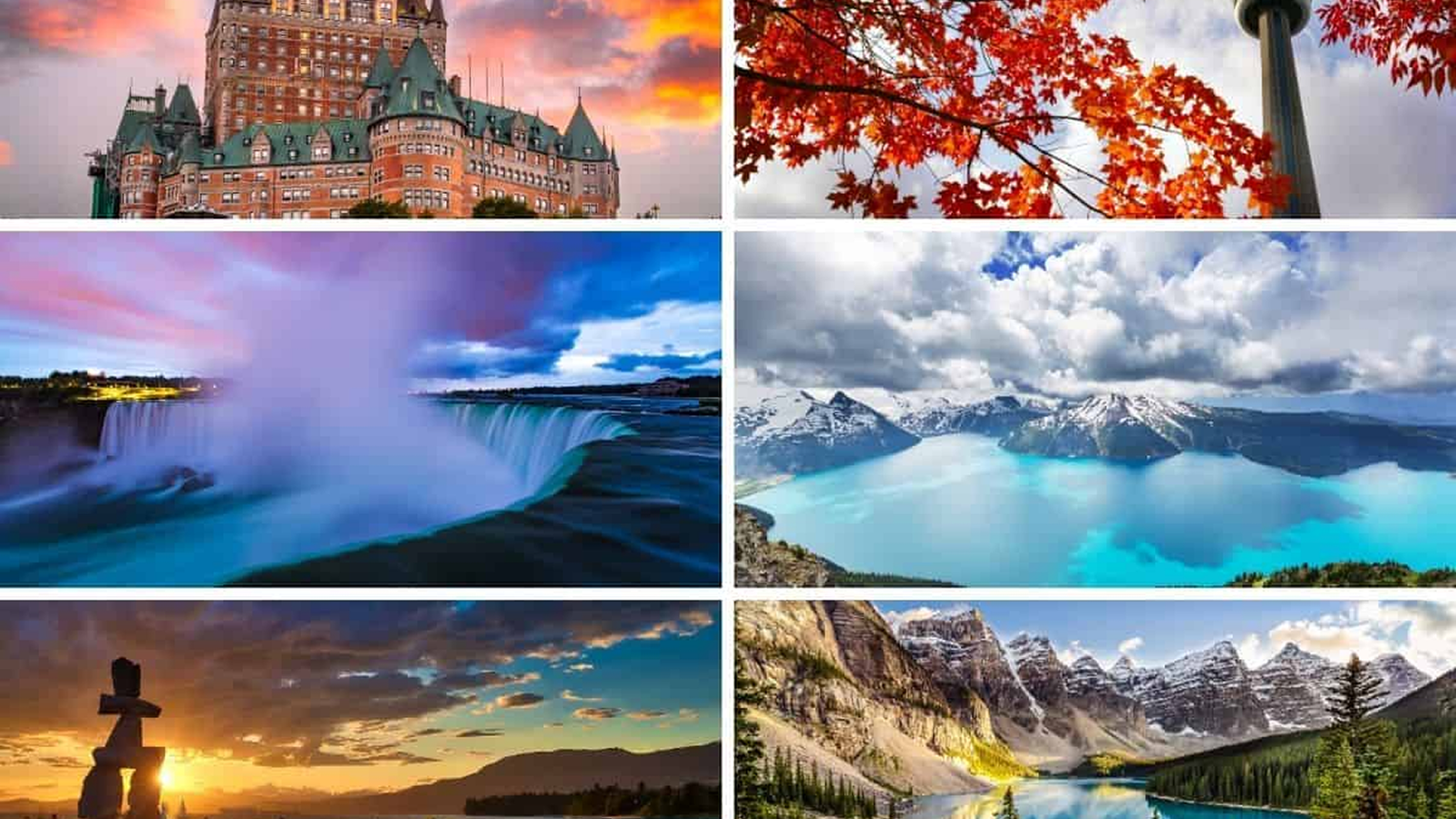
Canada is one of the world’s most diverse travel destinations, stretching from the Atlantic coast to the Pacific and all the way into the Arctic. The country is known for dramatic mountain landscapes, beautiful lakes, vibrant cities, charming coastal towns, and vast national parks.
Whether you want to explore the Canadian Rockies, experience French-Canadian culture, see incredible wildlife, or enjoy the energy of cities such as Toronto and Vancouver, Canada offers something for almost every type of traveler.
If you’re planning your first trip, these 15 places to visit in Canada are worth adding to your travel list.
1. Vancouver, British Columbia
Vancouver is one of Canada’s most scenic cities, surrounded by mountains, ocean, forests, and beaches.
The city offers a mix of urban attractions and outdoor experiences. You can explore Stanley Park in the morning, walk along the waterfront, visit Granville Island, and still have time to enjoy the city’s restaurants and neighborhoods.
Vancouver is also an excellent starting point for exploring British Columbia.
Best for: City breaks, nature, food, families, and outdoor adventures.
2. Banff National Park, Alberta
Banff is one of Canada’s most iconic destinations.
Located in the Canadian Rockies, the national park is famous for turquoise lakes, towering mountains, hiking trails, glaciers, and wildlife.
Lake Louise and Moraine Lake are among the area’s most recognizable landscapes, while the town of Banff provides restaurants, hotels, shops, and easy access to outdoor activities.
During warmer months, hiking and sightseeing are popular. In winter, the region becomes a major destination for skiing and snow activities.
Best for: Mountains, hiking, photography, and adventure.
3. Toronto, Ontario
Toronto is Canada’s largest city and one of its most multicultural destinations.
The city has a wide variety of neighborhoods, restaurants, museums, shopping districts, and entertainment venues.
The CN Tower provides one of the city’s most recognizable views, while neighborhoods such as Kensington Market, Distillery District, and Yorkville offer very different experiences.
Toronto also makes a convenient base for exploring nearby attractions.
Best for: City travel, food, shopping, and culture.
4. Niagara Falls, Ontario
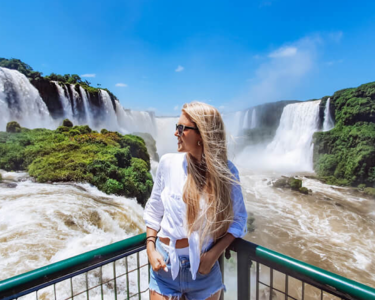
Niagara Falls is one of Canada’s most famous natural attractions.
The enormous waterfalls can be experienced from several viewpoints, boat excursions, walking routes, and observation areas.
The destination is easy to combine with a visit to Toronto, making it a popular addition to a southern Ontario itinerary.
Beyond the falls themselves, the surrounding region is also known for wineries, gardens, and small towns.
Best for: Families, couples, photography, and first-time visitors.
5. Montreal, Quebec
Montreal offers a distinctive combination of European-inspired architecture, French-Canadian culture, food, festivals, and modern city life.
Old Montreal is particularly atmospheric, with historic buildings, cobblestone streets, cafés, and public squares.
Food is another major reason to visit. Travelers can try local specialties while exploring the city’s different neighborhoods.
Best for: Food, culture, architecture, and city breaks.
6. Quebec City, Quebec
Quebec City feels very different from most major Canadian cities.
The historic center, Old Quebec, is known for its preserved architecture, narrow streets, cafés, and landmarks.
The city is particularly beautiful during the colder months, when winter weather gives the historic streets a distinctive atmosphere.
For travelers interested in history and French-Canadian culture, Quebec City is one of Canada’s most rewarding destinations.
Best for: History, architecture, couples, and cultural travel.
7. Jasper National Park, Alberta
Jasper National Park offers another spectacular introduction to the Canadian Rockies.
Compared with Banff, Jasper generally has a quieter and more wilderness-focused atmosphere.
The park features mountains, lakes, forests, glaciers, and wildlife. Popular experiences include exploring Maligne Lake, visiting Maligne Canyon, and driving along the Icefields Parkway.
Jasper is particularly appealing to travelers who want to spend more time outdoors.
Best for: Wildlife, hiking, scenic drives, and nature.
8. Ottawa, Ontario
Canada’s capital city combines history, culture, museums, and attractive outdoor spaces.
Visitors can explore Parliament Hill, walk beside the Rideau Canal, and visit some of Canada’s major national museums.
Ottawa also changes dramatically with the seasons. Summer brings outdoor events and festivals, while winter can transform the city into a snowy destination.
Best for: Families, history, museums, and cultural travel.
9. Whistler, British Columbia
Whistler is one of Canada’s best-known mountain destinations.
The town is surrounded by dramatic peaks and offers activities throughout the year.
Winter visitors come for skiing and snowboarding, while warmer months are popular for hiking, mountain biking, sightseeing, and other outdoor activities.
Whistler is also an easy addition to a British Columbia trip from Vancouver.
Best for: Adventure, skiing, couples, and mountain vacations.
10. Cape Breton Island, Nova Scotia
Cape Breton Island offers a completely different Canadian experience.
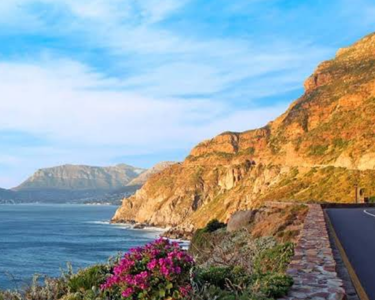
The island is known for rugged coastline, forests, fishing communities, scenic roads, and beautiful ocean views.
The Cabot Trail is one of its biggest attractions, offering an unforgettable road trip through coastal and mountainous landscapes.
The region also has a strong Celtic and Acadian cultural heritage.
Best for: Road trips, coastal scenery, photography, and slow travel.
11. Victoria, British Columbia
Victoria is located on Vancouver Island and is known for its gardens, waterfront, historic architecture, and relaxed atmosphere.
The city is an excellent destination for travelers who prefer a slower pace.
You can explore the Inner Harbour, visit nearby gardens, enjoy afternoon tea, or take excursions around Vancouver Island.
Victoria also provides access to outdoor experiences, including whale-watching opportunities.
Best for: Couples, families, gardens, and relaxed vacations.
12. Prince Edward Island
Prince Edward Island is famous for its red cliffs, sandy beaches, rolling countryside, seafood, and charming coastal communities.
The island is also closely associated with the literary character Anne of Green Gables, making it particularly interesting for fans of the classic novel.
A road trip around the island allows travelers to experience beaches, farms, lighthouses, and small towns at a relaxed pace.
Best for: Coastal travel, road trips, families, and food.
13. Newfoundland and Labrador
Newfoundland and Labrador offers some of Canada’s most dramatic coastal scenery.
The province is known for rugged cliffs, colorful fishing communities, hiking trails, and wildlife.
One of the highlights is Gros Morne National Park, where mountains, fjords, forests, and geological landscapes create an extraordinary setting.
The province is ideal for travelers who want to explore a less urban and more remote side of Canada.
Best for: Nature, hiking, photography, and road trips.
14. Lake Louise
Lake Louise deserves special mention even though it is located inside Banff National Park.
Its turquoise water surrounded by towering mountains makes it one of Canada’s most recognizable landscapes.
In summer, visitors can hike around the lake and into the surrounding mountains. In winter, the area becomes a popular destination for snow activities.
Arriving early can make the experience more comfortable, especially during busy travel periods.
Best for: Photography, hiking, couples, and mountain scenery.
15. Yukon
For travelers looking for something more remote, Yukon offers vast wilderness and extraordinary northern landscapes.
The territory is known for mountains, forests, rivers, wildlife, and opportunities to experience the northern environment.
Kluane National Park and Reserve is one of the major highlights, while communities such as Whitehorse provide a convenient starting point for exploring the region.
Depending on the season, visitors may also have opportunities to experience the northern lights.
Best for: Wilderness, adventure, wildlife, and northern landscapes.
Best Places to Visit in Canada by Travel Style
| Travel Style | Places to Consider |
|---|---|
| First-time Canada trip | Vancouver, Banff, Toronto |
| Mountain scenery | Banff, Jasper, Whistler |
| City break | Toronto, Montreal, Vancouver |
| Road trip | Cape Breton, Vancouver Island, Alberta |
| Family vacation | Niagara Falls, Toronto, Vancouver |
| Wildlife & nature | Jasper, Yukon, Newfoundland |
| Winter travel | Banff, Whistler, Quebec City |
| Coastal scenery | Newfoundland, Prince Edward Island, Cape Breton |
| Food & culture | Montreal, Quebec City, Toronto |
| Hiking | Banff, Jasper, Gros Morne, Yukon |
How Long Do You Need in Canada?
Canada is enormous, so seeing the entire country in one trip isn’t practical.
For a first visit, 10 to 14 days can work well if you focus on one region.
For example, a western Canada trip could combine Vancouver, Whistler, Banff, and Jasper.
An eastern Canada trip could focus on Toronto, Niagara Falls, Montreal, Quebec City, and nearby destinations.
If you have three weeks or more, you can build a more extensive itinerary, but domestic flights or long road journeys may still be necessary.
Best Time to Visit Canada
The best time to visit Canada depends heavily on where you’re going and what you want to do.
Summer is popular for hiking, road trips, national parks, and coastal destinations.
Autumn can be beautiful for travelers interested in fall colors, particularly in eastern Canada.
Winter is ideal for skiing, snowboarding, winter landscapes, and experiencing cities such as Quebec City in a completely different setting.
Spring can be quieter in many destinations, although weather conditions vary significantly across the country.
Because Canada covers such a large area, always consider the specific region rather than treating the country as having one travel season.
Final Thoughts
Canada is a destination where the journey can be just as memorable as the destination itself.
From the Canadian Rockies and turquoise mountain lakes to historic Quebec, vibrant Toronto, remote Yukon, and the rugged Atlantic coast, the country offers an extraordinary range of travel experiences.
If it’s your first trip, focus on one region rather than trying to see everything. Give yourself enough time to enjoy the landscapes, towns, food, and outdoor experiences along the way.
Whether you’re planning a road trip through the Rockies, a city-focused vacation, or an adventure into Canada’s wilderness, there is plenty to discover.