
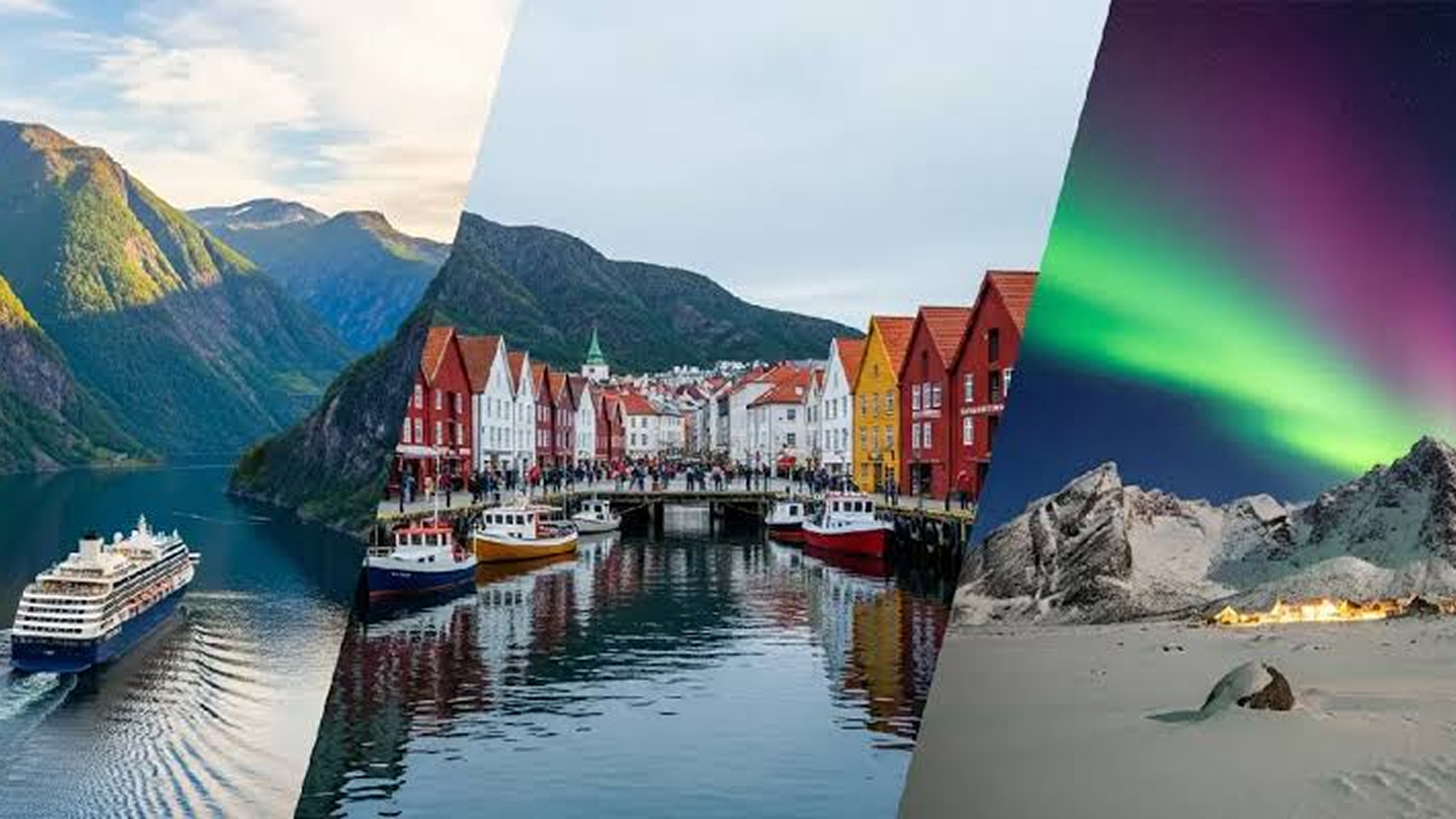
Norway is a country of dramatic fjords, snow-covered mountains, Arctic landscapes, colorful coastal towns and historic cities. From the lively streets of Oslo to the remote beauty of the Lofoten Islands, there is an incredible variety of places to explore.
For first-time visitors, it can be difficult to decide where to go because Norway is geographically large and travel between regions can take time. The best approach is to choose destinations that match your interests and allow enough time to enjoy the landscapes along the way.
Here are 15 of the best places to visit in Norway, from famous fjord destinations to Arctic islands and scenic mountain towns.
1. Oslo
Oslo is Norway’s capital and a natural starting point for a first trip.
The city combines Scandinavian architecture, museums, parks and a modern waterfront with easy access to nature.
Begin around the Oslo Opera House, then explore the harbor and walk toward Aker Brygge.
For culture and history, visit the Royal Palace, Akershus Fortress and the city’s museums.
Don’t miss
- Oslo Opera House
- Vigeland Sculpture Park
- Akershus Fortress
- Royal Palace
- MUNCH Museum
- Aker Brygge
Best for: First-time visitors, culture, museums and city breaks.
2. Bergen
Bergen is one of Norway’s most attractive cities and an important gateway to the fjords.
Its historic waterfront, Bryggen, is lined with colorful wooden buildings that reflect the city’s trading history.
Take the Fløibanen funicular to Mount Fløyen for panoramic views over the city and surrounding mountains.
Bergen is also an excellent base for exploring western Norway.
Best for: Fjords, architecture, culture and scenic city experiences.
3. Flåm
The small village of Flåm sits at the end of the Aurlandsfjord and is surrounded by spectacular mountain scenery.
The destination is particularly famous for the Flåm Railway, which connects the village with Myrdal through a dramatic mountain landscape.
You can also take fjord cruises, kayak on the water or visit viewpoints around the area.
Highlights
- Flåm Railway
- Aurlandsfjord
- Nærøyfjord
- Stegastein viewpoint
- Fjord cruises
Best for: Scenic travel, fjords and photography.
4. Geiranger
Geiranger is one of Norway’s most famous fjord destinations.
The village sits at the head of the Geirangerfjord, surrounded by steep mountains and waterfalls.
Cruising through the fjord is one of the best ways to appreciate the scale of the landscape.
Several viewpoints around the region provide spectacular views over the water and surrounding mountains.
Best for: Fjord scenery, cruises and photography.
5. Stavanger
Stavanger combines a charming historic center with easy access to some of Norway’s most famous hiking destinations.
The old wooden houses of Gamle Stavanger are particularly attractive, while the city’s harbor is filled with restaurants and cafés.
Stavanger is also a popular base for exploring the Lysefjord and hiking to Preikestolen.
Best for: Hiking, coastal landscapes, food and history.
6. Tromsø
Tromsø is one of the most popular destinations in northern Norway.
Located well above the Arctic Circle, the city is an excellent base for experiencing Arctic landscapes and seasonal phenomena.
During winter, Tromsø is particularly popular for Northern Lights excursions.
In summer, long daylight hours create opportunities for hiking, sightseeing and outdoor adventures.
Don’t miss
- Arctic Cathedral
- Fjellheisen Cable Car
- Tromsø harbor
- Polar Museum
- Northern Lights tours
Best for: Arctic experiences, winter travel and outdoor adventures.
7. Lofoten Islands
The Lofoten Islands are among Norway’s most dramatic destinations.
Sharp mountains rise directly from the sea, while colorful fishing villages sit along sheltered bays.
Explore villages such as Reine, Henningsvær and Å, and allow plenty of time for scenic drives.
The landscape is especially attractive to photographers.
Things to do
- Scenic road trips
- Hiking
- Kayaking
- Fishing
- Photography
- Village exploration
Best for: Nature, photography, road trips and adventure.
8. Ålesund
Ålesund is famous for its distinctive Art Nouveau architecture and spectacular coastal setting.
Climb the steps to Aksla Viewpoint for panoramic views over the town and surrounding islands.
The city is also a convenient base for exploring western Norway and nearby fjord destinations.
Highlights
- Aksla Viewpoint
- Art Nouveau architecture
- Ålesund harbor
- Sunnmøre region
- Nearby fjords
Best for: Architecture, photography and coastal scenery.
9. Trondheim
Trondheim is one of Norway’s most historically important cities.
The city was once Norway’s medieval capital and remains an important cultural center.
The impressive Nidaros Cathedral is its most famous landmark.
Explore the colorful wooden buildings along the Nidelva River and walk through the historic center.
Best for: History, architecture and culture.
10. Stavanger’s Lysefjord
The Lysefjord deserves special attention even though Stavanger is the main gateway.
The fjord is surrounded by steep cliffs and dramatic mountain landscapes.
One of its most famous attractions is Preikestolen, or Pulpit Rock, which rises high above the fjord.
You can experience the area by hiking, cruising or combining both.
Best for: Hiking, fjord cruises and adventure travel.
11. Bodø
Located north of the Arctic Circle, Bodø is a convenient gateway to northern Norway.
The city provides access to spectacular coastal landscapes and is also a useful starting point for traveling toward the Lofoten Islands.
One of the region’s most famous natural attractions is Saltstraumen, a powerful tidal current located near Bodø.
Best for: Coastal scenery, outdoor activities and northern Norway.
12. Lillehammer
Lillehammer is a picturesque town surrounded by mountains and forests.
The destination is particularly well known for hosting the 1994 Winter Olympics.
Visitors can explore the Olympic venues, walk around the town center and enjoy outdoor activities in the surrounding region.
During winter, the area becomes a popular destination for skiing and other snow activities.
Best for: Winter sports, families and mountain landscapes.
13. Sognefjord
The Sognefjord is Norway’s longest and deepest fjord and one of the country’s most spectacular natural regions.
The fjord extends deep into western Norway, with smaller branches leading toward villages, valleys and mountain landscapes.
Popular destinations around the fjord include Flåm, Balestrand and Sogndal.
Boat journeys provide an excellent way to experience the scale of the landscape.
Best for: Fjord cruises, nature and scenic road trips.
14. Røros
Røros offers a completely different experience from Norway’s coastal destinations.
The historic mining town is known for its traditional wooden buildings and preserved cultural landscape.
Walking through the old streets feels very different from visiting modern Norwegian cities.
Winter can be particularly atmospheric, while summer offers opportunities to explore the surrounding countryside.
Best for: History, architecture and cultural experiences.
15. Nordkapp
At the northern edge of mainland Europe, Nordkapp is one of Norway’s most iconic destinations.
The dramatic cliff rises above the Arctic Ocean and has become a popular destination for travelers exploring northern Norway.
During summer, the Midnight Sun creates long periods of daylight.
In winter, the region offers a very different Arctic experience, although weather and road conditions can be challenging.
Best for: Arctic scenery, road trips and unique landscapes.
Best Places to Visit in Norway at a Glance
| Destination | Best For | Suggested Time |
|---|---|---|
| Oslo | Culture & museums | 2–3 days |
| Bergen | Fjords & culture | 2 days |
| Flåm | Fjords & scenic travel | 1–2 days |
| Geiranger | Fjord scenery | 1–2 days |
| Stavanger | Hiking & coastline | 2 days |
| Tromsø | Arctic experiences | 2–4 days |
| Lofoten Islands | Nature & photography | 3–4 days |
| Ålesund | Architecture & coast | 1–2 days |
| Trondheim | History & culture | 1–2 days |
| Lysefjord | Hiking & adventure | 1–2 days |
| Bodø | Northern landscapes | 1–2 days |
| Lillehammer | Mountains & winter sports | 1–2 days |
| Sognefjord | Fjords & road trips | 2–3 days |
| Røros | History & heritage | 1–2 days |
| Nordkapp | Arctic scenery | 1–2 days |
How to Plan a Norway Trip
Norway is larger than it may appear on a map, so avoid trying to visit all of these destinations on one short trip.
Instead, divide the country into regions.
Southern & Western Norway
A classic first trip could include:
Oslo → Flåm → Bergen → Stavanger
This route provides a combination of cities, rail journeys, fjords and hiking.
Northern Norway
For Arctic landscapes, consider:
Tromsø → Lofoten → Bodø
This route focuses on mountains, islands, fishing villages and seasonal experiences such as the Northern Lights or Midnight Sun.
Longer Norway Trip
If you have two weeks or more, you can combine western fjords with northern Norway, but domestic flights may be useful to avoid spending too much time traveling between regions.
Best Time to Visit Norway
The ideal time depends on what you want to experience.
Summer
June through August is particularly popular for hiking, road trips, fjords and the Midnight Sun.
Autumn
September and October bring changing colors and fewer visitors in many areas.
Winter
December through March is ideal for travelers interested in snow activities and Northern Lights experiences in northern Norway.
Spring
Spring brings longer daylight and impressive waterfalls, although mountain conditions can remain challenging.
Always check current weather and local conditions before planning outdoor activities.
How to Travel Around Norway
Norway offers several excellent ways to explore the country.
Train: Great for scenic journeys between major cities.
Rental car: Useful for fjord regions, road trips and remote destinations.
Ferry: Essential for many coastal and fjord routes.
Domestic flights: Helpful when combining southern and northern Norway.
For many first-time travelers, combining trains, ferries and occasional rental cars provides a good balance between convenience and scenery.
Final Thoughts
Norway offers an extraordinary range of destinations, from the urban energy of Oslo to the historic waterfront of Bergen, the fjords around Flåm and Geiranger, and the Arctic landscapes of Tromsø and Lofoten.
The most important thing is not to rush.
Norway’s landscapes are often best experienced slowly, whether you’re traveling by train through the mountains, cruising through a fjord or driving along a remote coastal road.
For a first visit, southern and western Norway offer an excellent introduction to the country. If you’re particularly interested in the Northern Lights, Midnight Sun or Arctic landscapes, northern destinations such as Tromsø and Lofoten deserve their own dedicated trip.