
Croatia combines historic coastal cities, turquoise Adriatic waters, beautiful islands, dramatic national parks and a rich Mediterranean culture. From walking through the ancient streets of Dubrovnik to swimming around the islands of Dalmatia, the country offers a wide variety of experiences within a relatively compact destination.
The Croatian coast is one of the country’s biggest attractions, but there is much more to discover beyond the beaches. Inland, you’ll find waterfalls, lakes, forests, historic towns and traditional food.
Whether you’re planning a relaxing island holiday, a European city break, a road trip or an outdoor adventure, these are 15 of the best things to do in Croatia.
1. Walk Through Dubrovnik’s Old Town
Dubrovnik is one of Croatia’s most famous destinations and a natural starting point for exploring the country’s southern coast.
The city’s historic Old Town is surrounded by impressive stone walls and filled with narrow streets, historic buildings, churches, squares and small cafés.
Walking through the Old Town early in the morning is a good way to experience the atmosphere before the busiest part of the day.
Don’t limit your visit to the main streets. Explore the smaller lanes and viewpoints around the historic center to see a quieter side of the city.
Don’t miss: Walking along the historic city walls for views over Dubrovnik and the Adriatic Sea.
2. Walk Along Dubrovnik’s City Walls
The walls surrounding Dubrovnik provide some of the best views in the city.
From the elevated walkway, you can look across the terracotta rooftops of the Old Town and out toward the Adriatic.
The route also provides different perspectives of the historic architecture and surrounding coastline.
Go earlier in the day or later in the afternoon when temperatures are more comfortable.
For photographers, the combination of stone walls, red rooftops and deep-blue water makes this one of Croatia’s most memorable viewpoints.
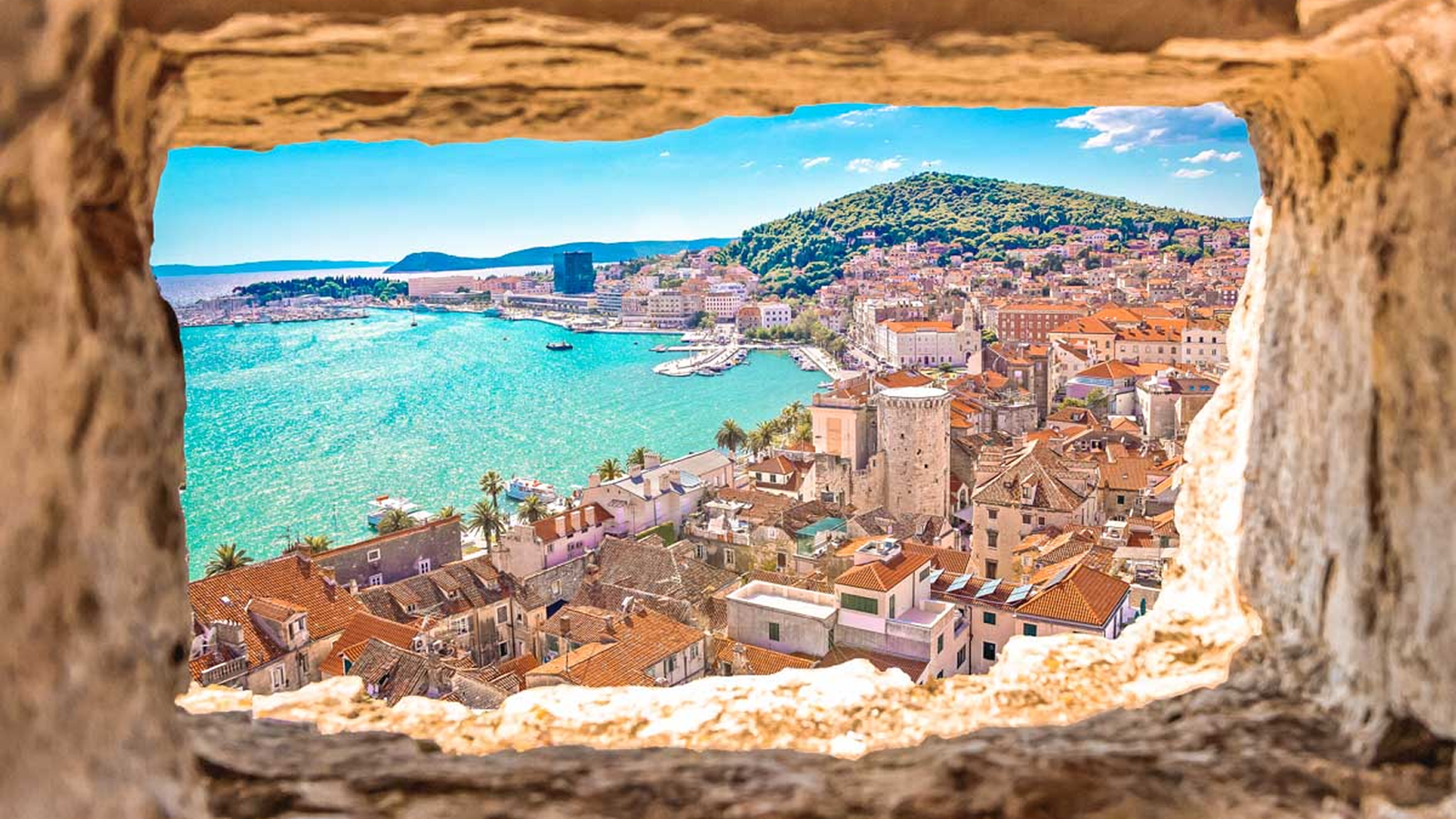
3. Explore Split’s Historic Center
Split offers an unusual combination of ancient history and modern Mediterranean life.
At the heart of the city is Diocletian’s Palace, a historic complex that forms an important part of Split’s Old Town.
Walk through the palace area, explore its narrow streets and stop at one of the cafés or restaurants around the historic center.
After sightseeing, take a walk along the Riva waterfront promenade.
Split is also an excellent base for exploring nearby islands and destinations along the Dalmatian Coast.
4. Visit Plitvice Lakes National Park
Plitvice Lakes National Park is one of Croatia’s most spectacular natural attractions.
The park is known for a series of interconnected lakes, waterfalls, forests and wooden walking paths.
The water can appear in different shades of blue and green depending on conditions and the surrounding landscape.
Walking through the park gives you the opportunity to experience Croatia away from the coast.
Allow several hours for your visit so you have enough time to explore the trails without rushing.
5. Discover Hvar Island
Hvar is one of Croatia’s best-known islands and is popular for its combination of beaches, historic architecture, Mediterranean landscapes and lively atmosphere.
Hvar Town has a beautiful waterfront, historic streets and viewpoints overlooking the surrounding islands.
Beyond the town, you can explore quieter coastal areas, small villages and beaches.
Hvar is particularly appealing if you want to combine sightseeing with swimming, boating and relaxed evenings by the Adriatic.
6. Explore the Dalmatian Coast by Boat
One of the best ways to experience Croatia is from the water.
The Dalmatian Coast is scattered with islands, secluded bays, fishing villages and rocky coves.
A boat trip allows you to visit places that can be difficult to reach by road.
Depending on your itinerary, you can take a short day cruise or spend several days moving between islands.
For travelers visiting Croatia during the warmer months, time on the Adriatic can become one of the highlights of the entire trip.
7. Visit the Island of Brač
Brač is another beautiful island along Croatia’s Dalmatian Coast.
The island is particularly known for Zlatni Rat, a distinctive beach extending into the Adriatic near Bol.
The shape of the beach can change depending on wind, waves and currents, making it a fascinating place to visit.
Beyond the coastline, Brač has small villages, Mediterranean landscapes and opportunities for hiking and cycling.
8. Discover Korčula
Korčula is known for its historic old town, stone buildings, narrow streets and beautiful island scenery.
The island offers a slower pace compared with some of Croatia’s busier coastal destinations.
Spend time exploring Korčula Town before venturing into the surrounding countryside and coastline.
The island is also known for its wine-growing traditions, making it an interesting destination for travelers who enjoy combining food, wine and culture.
9. Visit Zadar for Its Sunset
Zadar is a historic coastal city in northern Dalmatia with a lively waterfront and atmospheric Old Town.
One of the city’s best-known attractions is the Sea Organ, an architectural installation that creates sounds using the movement of the sea.
Nearby, the Sun Salutation creates a colorful display after sunset.
Together, they make the waterfront one of the most interesting places to experience the city in the evening.
10. Explore Rovinj
Rovinj is located on Croatia’s Istrian Peninsula and has a distinctive Mediterranean atmosphere.
The historic center sits on a small peninsula and features narrow cobblestone streets, colorful buildings and views across the Adriatic.
Spend time walking through the Old Town before visiting the waterfront.
Rovinj is also a good base for exploring Istria, a region known for its food, wine, olive oil and countryside.
11. Taste Traditional Croatian Food
Croatian cuisine changes significantly between the coast and inland regions.
Along the Adriatic, seafood is an important part of local dining, while inland areas offer different meat dishes, stews and traditional specialties.
Look for dishes featuring fresh fish, grilled seafood, octopus, local cheeses and regional cured meats.
Istria is also known for truffles and high-quality olive oil.
Trying regional food is one of the easiest ways to experience the differences between Croatia’s various regions.
12. Explore Zagreb
Croatia’s capital provides a different experience from the country’s coastal destinations.
Zagreb has historic squares, cafés, museums, markets and neighborhoods that are easy to explore on foot.
Visit the Upper Town, walk through the central streets and spend some time at the city’s markets and cafés.
Zagreb is particularly useful as either the starting point or final stop of a Croatia itinerary, especially if you’re combining the country’s inland and coastal regions.
13. Visit Krka National Park
Krka National Park offers another opportunity to experience Croatia’s waterfalls and natural landscapes.
The park features rivers, waterfalls, forests and walking routes.
Its scenery provides a different experience from the Adriatic coastline and works well as a day trip when exploring the surrounding region.
If you’re traveling through Dalmatia, adding a national park to your itinerary gives you a chance to experience another side of Croatia beyond its islands and beaches.
14. Explore Istria
Istria is one of Croatia’s most interesting regions for travelers interested in food, wine and countryside landscapes.
The peninsula has historic hilltop towns, vineyards, olive groves and Mediterranean coastal communities.
Towns such as Rovinj, Pula and Motovun offer very different experiences.
Food is another reason to visit. Istria is particularly associated with truffles, seafood, wine and olive oil.
A road trip through Istria can be an excellent alternative to focusing entirely on the Dalmatian Coast.
15. Relax on Croatia’s Adriatic Beaches
Croatia’s coastline is filled with beaches ranging from large popular stretches of sand and pebbles to small rocky coves.
The Adriatic’s clear water makes swimming and snorkeling popular during the warmer months.
Island destinations such as Hvar, Brač and Korčula offer numerous opportunities to spend time beside the sea.
Rather than trying to visit a different beach every day, consider choosing one coastal base and taking short excursions to nearby beaches and islands.
Best Time to Visit Croatia
The best time to visit Croatia depends on what you want from your trip.
May to June:
A good period for sightseeing, outdoor activities and coastal exploration, with generally pleasant conditions.
July to August:
These are popular summer months for beaches, swimming and island trips, but major coastal destinations can be busy.
September:
A strong option for combining coastal activities with sightseeing, while the summer atmosphere can continue along the Adriatic.
October to April:
Better suited to city breaks, cultural experiences and exploring destinations such as Zagreb, although many seasonal coastal businesses have reduced operations.
For a first trip combining cities, islands and outdoor experiences, the warmer months are generally the most convenient.
How Many Days Do You Need in Croatia?
For a first visit, 7 to 10 days gives you enough time to combine several major destinations.
A possible 10-day route could look like:
- Day 1: Zagreb
- Day 2: Plitvice Lakes
- Day 3: Zadar
- Day 4: Split
- Day 5: Split and surrounding coast
- Day 6: Hvar
- Day 7: Hvar and nearby islands
- Day 8: Dubrovnik
- Day 9: Dubrovnik
- Day 10: Departure
If you have more time, consider adding Korčula, Brač, Istria or additional national parks.
Final Thoughts
Croatia is a destination where historic cities, islands, mountains, national parks and the Adriatic coastline can all be combined into one trip.
Walk through Dubrovnik’s ancient streets, explore Diocletian’s Palace in Split, swim around the Croatian islands, hike through Plitvice Lakes, taste regional food in Istria or simply spend an afternoon beside the Adriatic.
For first-time visitors, combining Dubrovnik, Split, Hvar, Plitvice Lakes and one or two additional islands or coastal towns provides a varied introduction to the country.
The best part of Croatia is that you don’t have to choose between a cultural trip and a beach holiday—you can experience both in the same journey.