
Iceland is a destination where dramatic landscapes are part of everyday travel. Volcanoes, glaciers, waterfalls, black-sand beaches, geothermal pools, and rugged coastlines make the country feel unlike anywhere else in Europe.
For first-time visitors, Iceland can be especially rewarding because many of its most spectacular attractions can be experienced on a road trip. You can spend one day exploring waterfalls and glaciers, another driving along the coast, and another relaxing in a geothermal lagoon.
Whether you’re visiting for a few days or planning a longer road trip, these are some of the best things to do in Iceland.
1. Explore Reykjavík
Start your Iceland adventure in Reykjavík, the country’s capital.
Although Reykjavík is relatively small compared with other European capitals, it has a lively combination of restaurants, cafés, museums, colorful buildings, and waterfront views.
Things to do in Reykjavík
- Visit Hallgrímskirkja
- Walk along the waterfront
- See Harpa Concert Hall
- Explore the Old Harbour
- Visit local museums
- Try Icelandic cuisine
- Explore the city’s cafés
Spend at least one day exploring Reykjavík before heading into the countryside.
2. Drive the Golden Circle
The Golden Circle is one of Iceland’s most popular sightseeing routes and a convenient introduction to the country’s landscapes.
The classic route includes three major attractions:
- Þingvellir National Park
- Geysir geothermal area
- Gullfoss waterfall
The route can be completed as a day trip from Reykjavík.
Þingvellir National Park
Þingvellir combines geological and historical significance. The landscape features dramatic cliffs, lava fields, and clear water, while the area is also associated with Iceland’s early parliamentary history.
Geysir
The geothermal area contains bubbling pools and steaming ground, with Strokkur being the best-known active geyser.
Gullfoss
Gullfoss is a spectacular two-tiered waterfall where powerful volumes of water plunge through a dramatic canyon.
3. See the Northern Lights
Seeing the Northern Lights is one of Iceland’s most memorable experiences.
The phenomenon occurs when charged particles from the Sun interact with Earth’s atmosphere, creating colorful displays in the night sky.
Because the Northern Lights are a natural phenomenon, sightings can never be guaranteed.
For the best chance
- Visit during the darker months
- Look for clear skies
- Move away from city lights
- Check aurora forecasts
- Be prepared to stay outside late
Patience is important. Sometimes the sky may remain quiet for hours before the aurora appears.
4. Visit Seljalandsfoss
Seljalandsfoss is one of Iceland’s most recognizable waterfalls.
What makes it unusual is the path that allows visitors to walk behind the waterfall under suitable conditions.
The combination of falling water, cliffs, and surrounding landscapes creates excellent photography opportunities.
Bring waterproof clothing because you can expect significant spray near the waterfall.
5. Visit Skógafoss
Not far from Seljalandsfoss, Skógafoss is another spectacular waterfall.
The waterfall drops from a dramatic cliff and can create rainbows when sunlight and water spray combine.
A staircase beside the waterfall leads to a viewpoint above it.
If you’re visiting the South Coast, both Seljalandsfoss and Skógafoss are easy additions to the same day.
6. Walk on a Black-Sand Beach
Iceland’s volcanic landscape has created beaches unlike the traditional tropical beaches many travelers are used to.
Reynisfjara near Vík is famous for its dark volcanic sand, powerful Atlantic waves, basalt formations, and offshore rock pillars.
The scenery is dramatic, but visitors should take ocean conditions seriously.
Large waves can reach much farther onto the beach than expected. Stay well back from the water and follow local safety guidance.
7. Explore Vík
The small town of Vík is one of the most popular stops along Iceland’s South Coast.
Its location makes it a useful base for exploring nearby waterfalls, beaches, glaciers, and other natural attractions.
From Vík, you can easily reach places such as:
- Reynisfjara
- Dyrhólaey
- Sólheimasandur
- Nearby waterfalls
- Glacier areas
Spend some time exploring the town and surrounding viewpoints rather than treating it only as a fuel or food stop.
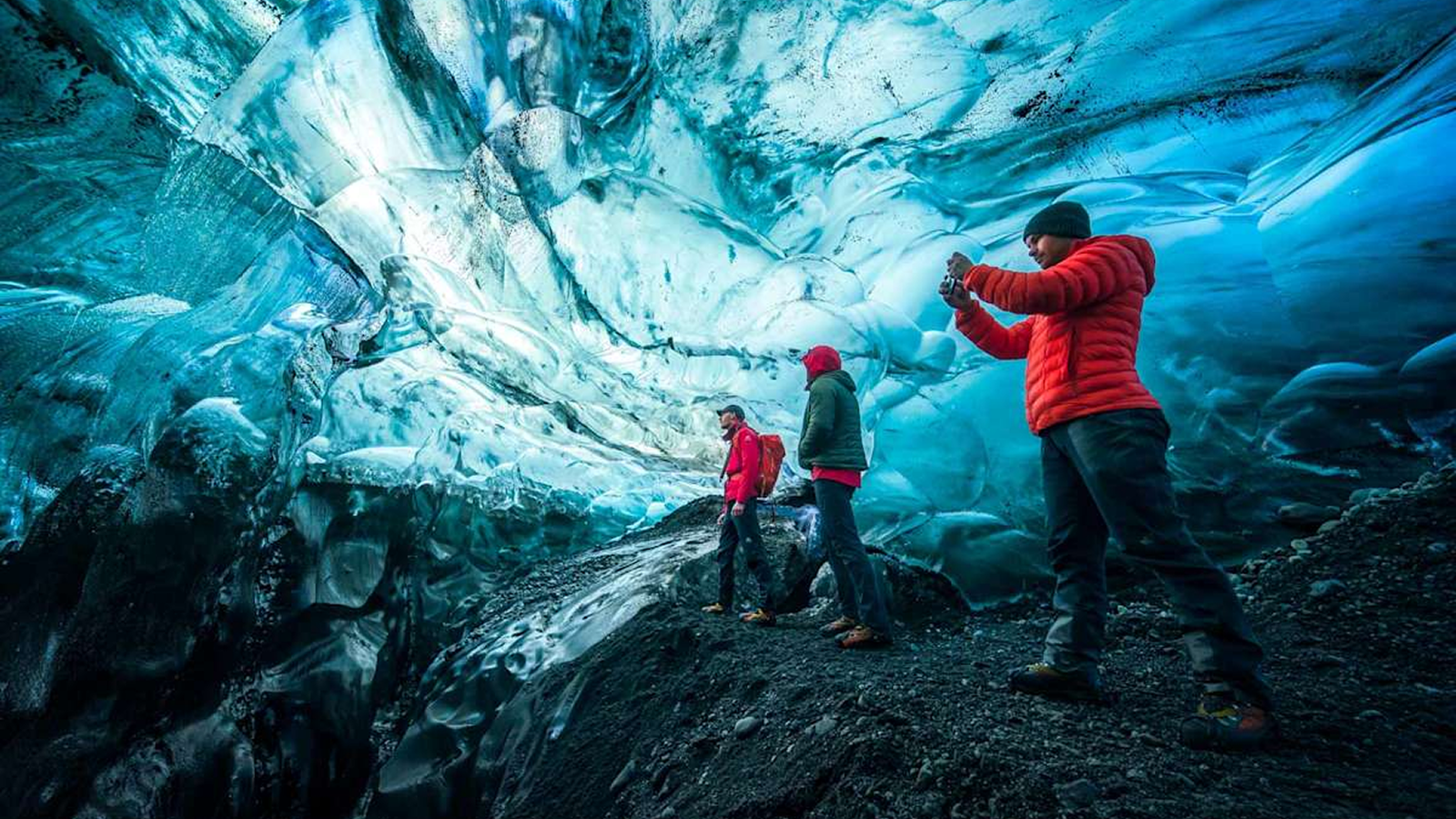
8. Visit a Glacier
Iceland is home to impressive glaciers, including Vatnajökull, one of Europe’s largest ice caps.
Depending on the season and conditions, visitors can experience glaciers through guided tours, glacier walks, or viewpoints.
For glacier activities, use experienced local guides and follow safety instructions.
Glacial environments can contain hidden crevasses and unstable ice, so independent exploration of glaciers is not recommended.
9. See Jökulsárlón Glacier Lagoon
Jökulsárlón is one of Iceland’s most spectacular natural attractions.
Icebergs break away from the nearby glacier and float through the lagoon toward the ocean.
The landscape changes constantly as pieces of ice move through the water.
Nearby, Diamond Beach offers another memorable sight, where pieces of glacier ice can wash onto the black sand.
10. Relax in a Geothermal Lagoon
Iceland’s geothermal activity has created numerous opportunities for visitors to experience warm, mineral-rich water.
A geothermal lagoon can be an excellent way to relax after several days of sightseeing.
Depending on your itinerary, you can choose from different geothermal bathing experiences around the country.
Always follow local rules regarding showering, hygiene, and bathing.
11. Explore Iceland’s Scenic Roads
One of the best ways to experience Iceland is by road.
The country’s landscapes change dramatically as you travel between regions.
A road trip allows you to stop at waterfalls, viewpoints, beaches, villages, and hiking areas along the way.
Popular road-trip routes include
- Golden Circle
- South Coast
- Snæfellsnes Peninsula
- Ring Road
If you’re driving, always check road and weather conditions before setting out.
Weather can change quickly, particularly outside urban areas.
12. Explore the Snæfellsnes Peninsula
The Snæfellsnes Peninsula is sometimes described as a miniature version of Iceland because of the variety of landscapes found in one region.
You can see:
- Mountains
- Lava fields
- Beaches
- Cliffs
- Fishing villages
- Waterfalls
- Glacial landscapes
One of the peninsula’s most recognizable landmarks is Kirkjufell, a distinctive mountain near Grundarfjörður.
13. Go Whale Watching
Iceland’s surrounding waters provide opportunities to see marine wildlife.
Whale-watching tours operate from several coastal locations, including Reykjavík and northern Iceland.
Depending on the location, season, and conditions, you may encounter different marine species.
Remember that wildlife sightings are never guaranteed, and responsible operators should prioritize animal welfare and appropriate distances.
14. Hike Through Icelandic Landscapes
Iceland offers hiking opportunities ranging from short walks to challenging multi-day routes.
Popular hiking areas include:
- Þingvellir
- Landmannalaugar
- Skaftafell
- Snæfellsnes
- Reykjadalur
One of the most rewarding aspects of hiking in Iceland is the variety of scenery.
A single trail can take you past lava fields, mountains, rivers, waterfalls, and geothermal landscapes.
Always check trail conditions before hiking, particularly outside summer.
15. Experience Icelandic Food
Icelandic cuisine reflects the country’s geography and history.
During your trip, look beyond familiar international restaurants and try some local specialties.
Foods to try
- Icelandic lamb
- Fresh seafood
- Skyr
- Rye bread
- Fish soup
- Icelandic hot dogs
- Local dairy products
- Fresh pastries
Reykjavík is particularly useful for sampling different styles of Icelandic food.
Best Time to Visit Iceland
Iceland offers a different experience in each season.
Summer
Summer provides long daylight hours and generally easier access to many outdoor attractions.
It’s a popular period for road trips and hiking.
Autumn
Autumn brings shorter days and changing landscapes. It can also provide opportunities to see the Northern Lights as darkness increases.
Winter
Winter creates snowy landscapes and offers long nights for potential Northern Lights viewing.
However, weather and road conditions can make travel more challenging.
Spring
Spring brings longer daylight and changing weather as Iceland moves toward summer.
The best season ultimately depends on whether your priorities are road trips, hiking, winter landscapes, or the Northern Lights.
How Many Days Do You Need in Iceland?
For a first visit, 7 to 10 days can provide a good introduction to Iceland.
4–5 days
Focus on:
Reykjavík → Golden Circle → South Coast
7 days
Add more of the South Coast and potentially areas around Jökulsárlón.
10–14 days
Consider a larger road trip incorporating more of the Ring Road and additional regions.
Don’t underestimate driving times. Iceland may look small on a map, but weather, road conditions, and frequent scenic stops can make journeys take longer than expected.
Iceland Travel Tips
Check weather conditions every day
Weather can change rapidly.
Don’t rush your road trip
Allow extra time for stops and changing conditions.
Respect nature
Stay on marked trails and follow local restrictions.
Dress in layers
Even during warmer months, conditions can change quickly.
Keep an emergency buffer
Avoid scheduling every hour of your trip.
Be careful around the ocean
Iceland’s coastal waves can be extremely powerful. Stay away from dangerous water conditions and follow posted warnings.
Final Thoughts
Iceland isn’t a destination where you need to spend every day inside museums or traditional tourist attractions.
The landscape itself is the experience.
You can stand beside a massive waterfall in the morning, walk across a black-sand beach in the afternoon, and finish the day relaxing in geothermal water.
From Reykjavík and the Golden Circle to the waterfalls of the South Coast, the glaciers around Jökulsárlón, and the remote landscapes of the Snæfellsnes Peninsula, Iceland offers an extraordinary variety of experiences.
If you’re planning your first trip, focus on a manageable region rather than trying to see the entire country in a few days.
Take your time, watch the weather, respect the landscape, and leave room for unexpected discoveries.