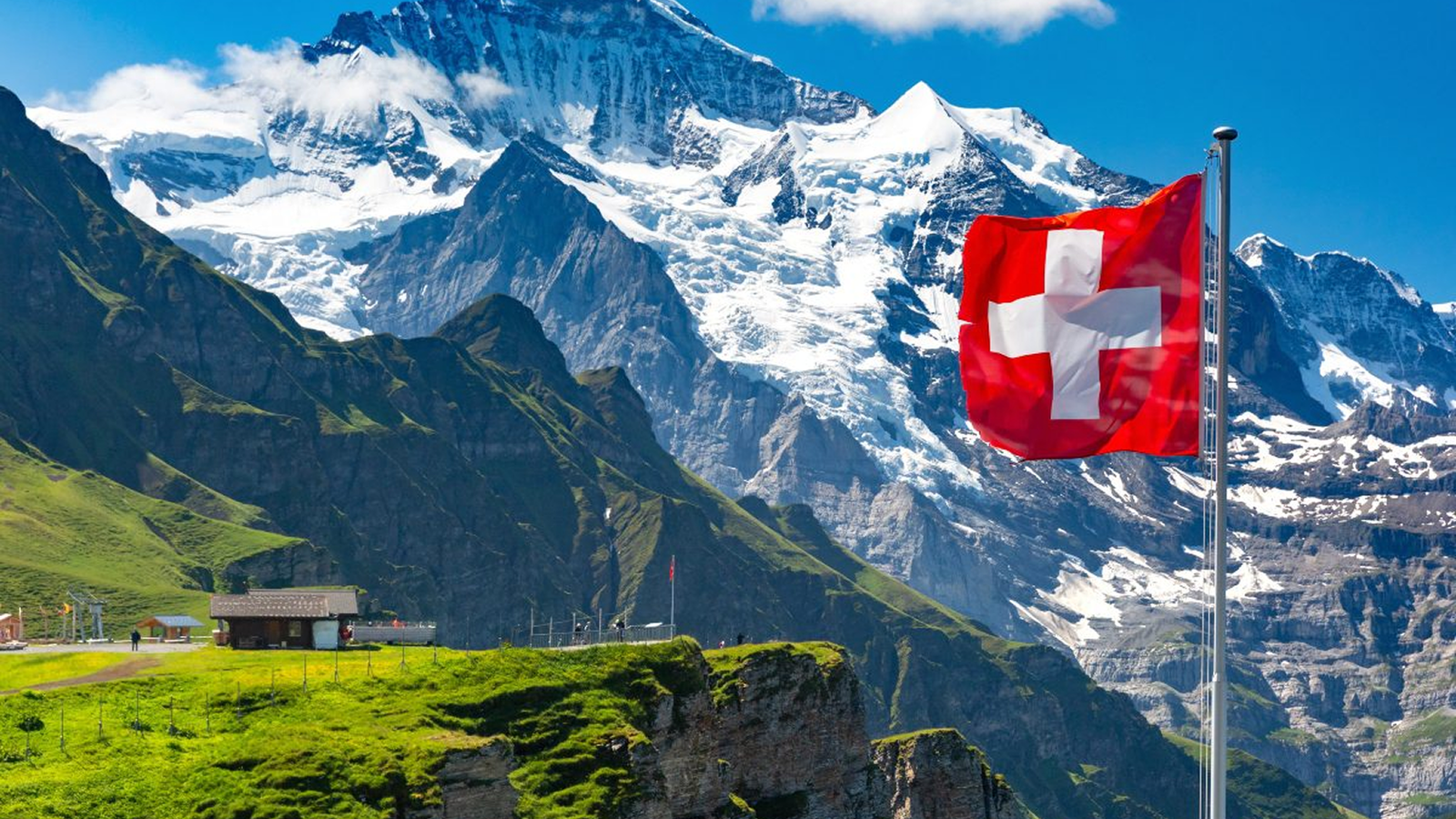
Switzerland is a dream destination for travelers who love dramatic mountain scenery, beautiful lakes, charming villages, scenic train journeys, and European cities. From the historic streets of Zurich and Lucerne to the snowy peaks around Interlaken and Zermatt, the country offers an incredible variety of experiences within a relatively small area.
A week is enough to experience some of Switzerland’s most famous destinations without spending the entire trip moving from one hotel to another.
This 7-day Switzerland itinerary combines cities, lakes, mountains, villages, scenic transportation, and plenty of time to enjoy the scenery.
Switzerland at a Glance
Trip length: 7 days
Best for: First-time visitors, couples, families, solo travelers
Main destinations: Zurich, Lucerne, Interlaken, Lauterbrunnen, Zermatt
Travel style: Mountains, nature, cities, scenic trains, villages
Recommended transportation: Train
One of the biggest advantages of traveling around Switzerland is its excellent public transportation network. For many visitors, traveling by train is easier than renting a car.
Day 1: Arrive in Zurich
Begin your Swiss adventure in Zurich, Switzerland’s largest city.
Although many travelers use Zurich primarily as an arrival point, the city deserves at least part of a day.
After checking into your hotel, explore the historic center on foot.
Things to do in Zurich
- Walk through Altstadt
- Visit Grossmünster
- Explore Bahnhofstrasse
- Walk along Lake Zurich
- Visit Lindenhof
- Enjoy Swiss food in the old town
The Lindenhof viewpoint is a good place to finish your sightseeing, with views over the old city and the Limmat River.
For dinner, try traditional Swiss dishes such as fondue, rösti, or raclette.
Day 2: Zurich to Lucerne
Take a morning train from Zurich to Lucerne.
Lucerne is one of Switzerland’s most picturesque cities, sitting beside Lake Lucerne and surrounded by mountains.
After arriving, explore the historic center.
Places to visit
- Chapel Bridge
- Water Tower
- Old Town
- Jesuit Church
- Lion Monument
- Lake Lucerne waterfront
The famous Chapel Bridge is one of Lucerne’s most recognizable landmarks.
Spend the afternoon walking through the old town and along the lake.
If the weather is good, consider taking a boat ride on Lake Lucerne.
Where to spend the night
Stay in Lucerne so you can enjoy the city after the busiest daytime period.
Day 3: Mount Pilatus or Mount Rigi
Use your third day for a mountain excursion from Lucerne.
Two popular options are Mount Pilatus and Mount Rigi.
Mount Pilatus
Mount Pilatus provides spectacular views over the surrounding lakes and Alps.
Depending on the season and operating schedules, you can combine different forms of transportation to create a scenic mountain excursion.
Mount Rigi
Mount Rigi is another excellent option and is sometimes called the “Queen of the Mountains.”
The journey itself is part of the experience, with mountain railway and cable-car options available depending on your route.
Choose one mountain rather than trying to visit both.
Return to Lucerne in the evening.
Day 4: Lucerne to Interlaken
Today you’ll travel deeper into the Swiss Alps.
Take the train from Lucerne toward Interlaken.
The journey is scenic, with mountains, lakes, and countryside along the route.
Once you arrive, explore Interlaken and the surrounding area.
Things to do
- Walk around Interlaken
- Visit Höhematte Park
- See the views toward the Jungfrau region
- Explore the Aare River
- Take a short trip to nearby villages
Interlaken is primarily a base for exploring the surrounding mountains rather than simply a sightseeing destination itself.
Day 5: Lauterbrunnen and the Jungfrau Region
Dedicate day five to the spectacular Lauterbrunnen Valley.
The valley is surrounded by towering cliffs and waterfalls, creating one of Switzerland’s most recognizable landscapes.
Explore Lauterbrunnen
Walk through the valley and look for famous waterfalls such as Staubbach Falls.
You can also continue toward nearby mountain villages such as Wengen or Mürren.
Option: Jungfraujoch
If mountain views are a major priority, you can consider traveling toward Jungfraujoch, one of the region’s most famous high-altitude attractions.
However, don’t feel that you need to visit every mountain attraction. The Lauterbrunnen Valley and surrounding villages already provide spectacular scenery.
Return to Interlaken for the night.
Day 6: Interlaken to Zermatt
Travel from Interlaken to Zermatt, a mountain resort village famous for the Matterhorn.
The journey takes several hours, so start your morning early.
After arriving, spend the afternoon exploring Zermatt.
Things to do
- Walk through Zermatt village
- Explore local shops
- Visit mountain viewpoints
- Enjoy Swiss mountain cuisine
- Photograph the Matterhorn
Zermatt is largely car-free, which gives the village a peaceful atmosphere.
Day 7: Matterhorn and Departure
Start your final day with a mountain excursion or viewpoint around Zermatt.
The exact experience will depend on the season and mountain transport operating at the time of your visit.
If weather conditions are clear, try to prioritize a viewpoint with a good view of the Matterhorn.
Afterward, return to Zermatt and begin your journey toward your departure airport or your next destination.
If you’re flying internationally, allow plenty of time for the journey from Zermatt to the airport.
Best Scenic Train Experiences
One of the best things about Switzerland is that the journey can be as memorable as the destination.
For this itinerary, you’ll already experience several scenic rail routes.
If you have extra time, consider adding one of Switzerland’s famous panoramic train journeys.
Popular options include
- Glacier Express
- Bernina Express
- GoldenPass routes
- Gotthard Panorama routes
You don’t necessarily need to book a famous panoramic train to see beautiful scenery. Many regular Swiss trains also pass through spectacular landscapes.
How to Travel Around Switzerland
For a seven-day trip like this, trains are generally the easiest way to move between destinations.
The Swiss rail network connects major cities, towns, mountain areas, and tourist destinations.
Before purchasing tickets, compare individual fares with available rail passes based on your itinerary.
If you plan to use trains frequently, a Swiss travel pass may be worth considering, but the value depends on your exact route and activities.
Where to Stay
Zurich
Stay near the old town or central railway station if convenience is important.
Lucerne
Choose accommodation around the historic center or near the lake for easy access to attractions.
Interlaken
Interlaken is convenient for exploring the Jungfrau region.
Zermatt
Staying near the village center makes restaurants, shops, and transportation easier to access.
For mountain destinations, booking accommodation early is especially useful during popular travel periods.
What to Eat in Switzerland
Switzerland isn’t only about mountains and trains. Its food culture is worth exploring too.
Try these Swiss dishes
- Cheese fondue
- Raclette
- Rösti
- Älplermagronen
- Zürcher Geschnetzeltes
- Swiss chocolate
- Swiss cheese
- Birchermüesli
Food traditions can vary between regions, so try local specialties wherever you travel.
Best Time for This Switzerland Itinerary
Switzerland can be visited throughout the year, but the experience changes considerably by season.
Spring
Spring brings changing mountain conditions, green landscapes, and the beginning of warmer weather.
Some high-altitude activities can still have winter conditions.
Summer
Summer is excellent for hiking, sightseeing, mountain excursions, and lake activities.
It’s also one of the busiest periods.
Autumn
Autumn brings colorful landscapes and cooler temperatures. It can be particularly beautiful for scenic train journeys and photography.
Winter
Winter transforms Switzerland into a snowy destination.
Zermatt and other mountain resorts become particularly attractive for skiing and winter activities.
How Much Does a Switzerland Trip Cost?
Switzerland is generally considered an expensive European destination.
Your total budget depends heavily on accommodation, transportation, restaurants, activities, and the season.
Ways to manage costs
- Book accommodation early
- Compare train tickets and rail passes
- Stay slightly outside the most expensive centers
- Use supermarkets for some meals
- Choose free viewpoints and walking routes
- Limit expensive mountain excursions
- Travel during shoulder seasons
You don’t need to book a costly activity every day. Switzerland’s landscapes themselves are one of the country’s biggest attractions.
What to Pack for Switzerland
Your packing list should depend on the season and altitude.
Essentials
- Comfortable walking shoes
- Lightweight layers
- Waterproof jacket
- Warm layer for mountain areas
- Sunglasses
- Sunscreen
- Small day backpack
- Reusable water bottle
- Universal travel adapter
Mountain weather can change quickly, so layers are particularly useful.
Can You Do Switzerland in 7 Days?
Yes, but you’ll need to keep the itinerary focused.
Trying to include Zurich, Lucerne, Interlaken, Zermatt, Geneva, Bern, St. Moritz, and several mountain destinations in one week would leave very little time to actually enjoy each place.
This itinerary focuses on Zurich → Lucerne → Interlaken → Zermatt, giving you a combination of cities, lakes, mountains, villages, and scenic transportation.
If you prefer a slower trip, remove Zermatt and spend additional time around Interlaken and the Jungfrau region.
Final Thoughts
A week in Switzerland can introduce you to some of Europe’s most spectacular landscapes.
Start in Zurich, explore the beautiful streets of Lucerne, travel into the Jungfrau region around Interlaken, and finish among the mountains of Zermatt with views of the Matterhorn.
The key to enjoying Switzerland isn’t trying to see everything. Give yourself time to enjoy the train journeys, stop for a coffee in a mountain village, walk beside a lake, and simply take in the scenery.
For a first visit, this seven-day route offers a balanced introduction to Swiss cities, Alpine villages, mountain landscapes, lakes, food, and some of the country’s most iconic scenery.