
Japan offers an incredible mix of ancient traditions, modern cities, beautiful landscapes, exceptional food, and unique cultural experiences. From walking through Tokyo’s energetic neighborhoods to exploring quiet temples in Kyoto, there is something for almost every type of traveler.
A first trip to Japan can easily become focused only on famous attractions, but some of the most memorable experiences come from slowing down and experiencing the country through its food, neighborhoods, trains, gardens, markets, and traditions.
Here are 15 of the best things to do in Japan for your next trip.
1. Explore Tokyo’s Neighborhoods
Tokyo is enormous, and the best way to experience it is to explore it neighborhood by neighborhood.
Start with the energy of Shibuya, where you’ll find the famous Shibuya Crossing, shopping, restaurants, and entertainment.
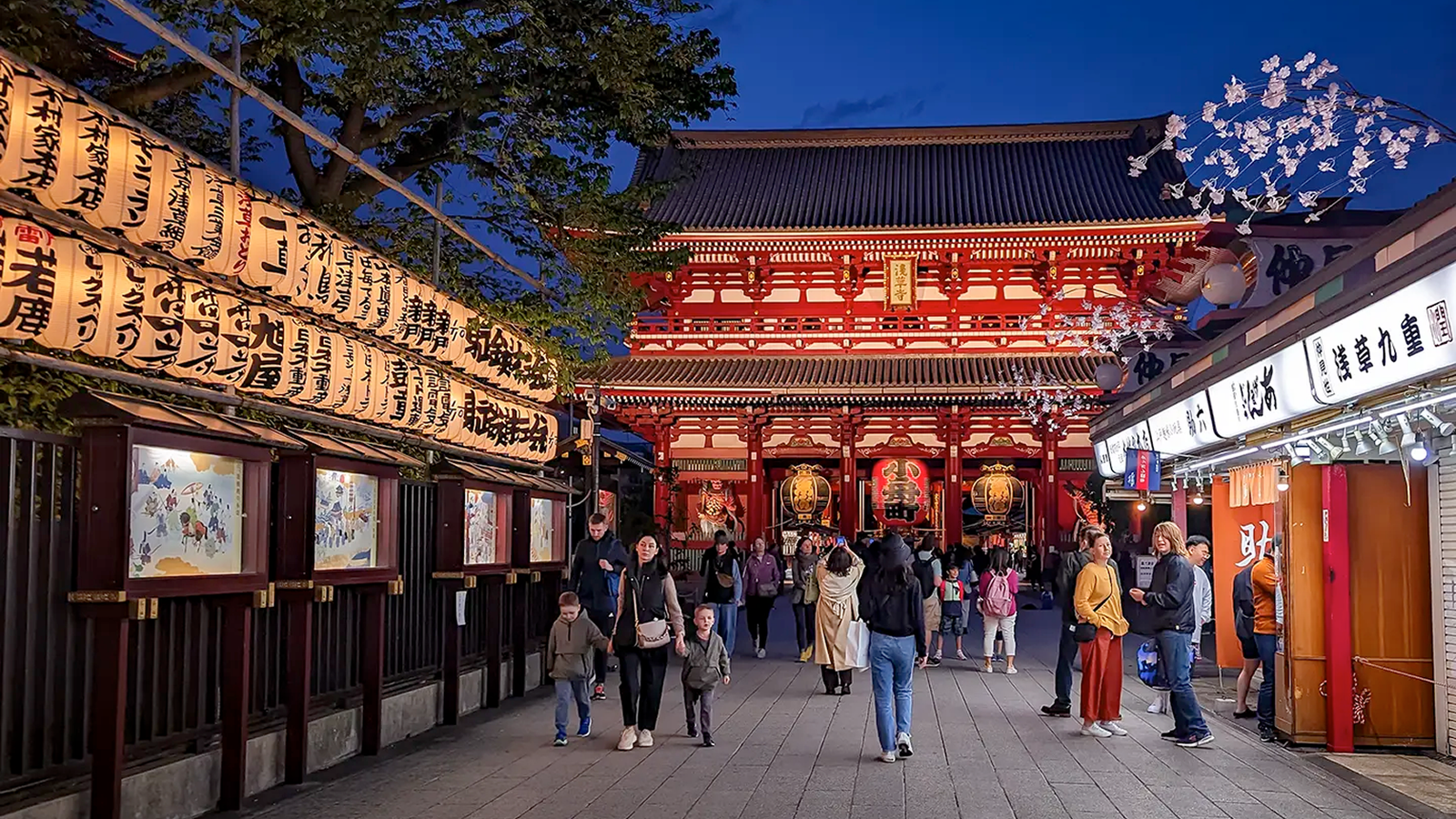
Then experience a completely different side of Tokyo in Asakusa, home to Senso-ji Temple and traditional streets.
Other areas worth exploring include Shinjuku, Harajuku, Ginza, Ueno, and Shimokitazawa.
Instead of trying to see the entire city in one day, choose a few neighborhoods and give yourself time to explore them properly.
2. Visit Fushimi Inari in Kyoto
Fushimi Inari Taisha is one of Kyoto’s most recognizable attractions.
The shrine is famous for its thousands of vermilion torii gates that create a winding path up Mount Inari.
The lower section can become extremely busy, particularly during the middle of the day.
If you want a quieter experience, arrive early in the morning and continue farther along the trail.
The walk becomes progressively more peaceful as you move away from the main entrance.
Best for: Culture, photography, hiking, and first-time visitors.
3. Walk Through Arashiyama Bamboo Grove
Arashiyama is another famous Kyoto destination.
The bamboo grove is one of the area’s most recognizable sights, but there’s more to explore beyond the bamboo.
Visit nearby temples, walk along the Katsura River, and explore the surrounding streets.
You can also visit Tenryu-ji Temple and its gardens.
Arriving early can help you experience the area before it becomes crowded.
4. Experience a Japanese Onsen
Visiting an onsen, or traditional Japanese hot spring, can be one of the most relaxing experiences of a trip.
Japan has thousands of natural hot springs, and many are located in scenic mountain or countryside settings.
Popular hot spring destinations include Hakone, Kusatsu, Beppu, and Kinosaki Onsen.
Before visiting, learn the basic etiquette. Traditional onsens generally require guests to wash before entering the baths, and swimsuits are usually not worn in the bathing areas.
Some establishments have different rules, so always check the instructions at your chosen location.
5. See Mount Fuji
Mount Fuji is one of Japan’s most iconic landmarks.
You don’t have to climb the mountain to enjoy it.
The Fuji Five Lakes region offers several viewpoints, while Lake Kawaguchi is particularly popular because of its scenery.
You can also visit the Hakone area for views of Fuji combined with hot springs and mountain scenery.
Visibility depends heavily on weather, so don’t plan your entire experience around seeing the mountain at a specific hour.
6. Ride a Shinkansen
Traveling on a Shinkansen is more than simply getting from one city to another.
Japan’s famous bullet trains provide a fast and comfortable way to travel between major destinations.
A Shinkansen journey can be part of the experience itself, particularly when traveling through changing landscapes between cities.
If you’re traveling between Tokyo, Kyoto, Osaka, Hiroshima, or other major destinations, check the available train services when planning your route.
7. Eat Your Way Through Osaka
Osaka is often associated with food, and for good reason.
The city has a huge variety of casual restaurants, markets, street food, and traditional dishes.
Explore the Dotonbori area in the evening, then try local specialties such as:
- Takoyaki
- Okonomiyaki
- Kushikatsu
- Ramen
- Udon
- Grilled seafood
Osaka is a great place to focus on food because many dining experiences are casual and easy to fit into a sightseeing day.
8. Visit the Peace Memorial Sites in Hiroshima
Hiroshima offers an important historical experience.
The Hiroshima Peace Memorial Park includes several monuments connected to the city’s history during World War II.
The Peace Memorial Museum provides further context about the atomic bombing and its consequences.
Visiting Hiroshima can be emotional, but it is also an opportunity to learn about the city’s history and its transformation over the decades.
After exploring the memorial area, consider visiting nearby Miyajima.
9. Explore Miyajima
Miyajima, officially known as Itsukushima, is located near Hiroshima.
The island is famous for Itsukushima Shrine and its large torii gate standing in the water.
Beyond the shrine, the island has forested mountains, walking trails, small streets, shops, and restaurants.
You may also encounter deer around the island.
Spend enough time to explore beyond the main waterfront area. Walking farther into the island can provide a quieter experience.
10. Discover Traditional Kyoto
Kyoto is one of the best destinations in Japan for experiencing traditional architecture and cultural heritage.
Explore neighborhoods such as Gion and Higashiyama, where historic streets and traditional buildings create a completely different atmosphere from Tokyo.
Visit temples, gardens, tea houses, and traditional shops.
Kyoto can become extremely busy around major attractions, so explore early in the day and consider visiting less-famous temples as well.
11. Visit a Japanese Garden
Japanese gardens are designed around carefully considered combinations of water, rocks, plants, pathways, and architectural elements.
Some famous examples include:
- Kenroku-en in Kanazawa
- Kinkaku-ji gardens in Kyoto
- Korakuen in Okayama
- Rikugien in Tokyo
- Adachi Museum of Art garden
Gardens are particularly enjoyable when you slow down instead of simply photographing them and moving on.
12. Explore Nara and Meet the Deer
Nara makes an excellent day trip from Kyoto or Osaka.
The city is famous for its historic temples, traditional architecture, and large population of freely roaming deer in Nara Park.
Todai-ji Temple is one of the major highlights and houses a massive bronze Buddha statue.
Spend time walking through the park and surrounding temple areas rather than treating Nara as a quick photo stop.
The combination of history, nature, and wildlife makes it different from the larger Japanese cities.
13. Try a Traditional Japanese Breakfast
Japanese food is one of the major reasons many travelers visit the country, but don’t limit your food experiences to sushi and ramen.
A traditional Japanese breakfast may include rice, grilled fish, miso soup, pickled vegetables, and other seasonal dishes.
The exact combination varies between restaurants and regions.
Trying local breakfast is a simple way to experience everyday Japanese food culture.
14. Stay in a Ryokan
A ryokan is a traditional Japanese-style inn.
Depending on the property, your stay may include tatami rooms, futons, traditional meals, gardens, and access to hot springs.
Ryokan stays can be particularly memorable in destinations such as Hakone, Kyoto, Takayama, and Kinosaki Onsen.
They are often more expensive than standard hotels, but the experience can be very different.
If you stay at a traditional property, pay attention to its house rules and customs.
15. Explore Japan’s Night Markets and Food Streets
Japan’s food culture becomes particularly interesting in the evening.
Explore local markets, izakayas, food streets, and neighborhood restaurants.
Tokyo, Osaka, Kyoto, Fukuoka, and many smaller cities offer completely different dining scenes.
An izakaya is a casual Japanese establishment where people gather for drinks and small dishes.
You don’t need to choose a famous restaurant every night. Some of the best experiences can come from finding a small neighborhood restaurant and trying something unfamiliar.
Best Experiences for First-Time Visitors
If you’re visiting Japan for the first time, you don’t need to complete all 15 experiences.
A balanced trip could include:
Tokyo: Neighborhood exploration, food, shopping, and city life
Kyoto: Temples, shrines, gardens, and traditional neighborhoods
Osaka: Food and nightlife
Mount Fuji area: Scenic landscapes and onsen
Hiroshima: History and Miyajima
This combination gives you a broad introduction to Japan without trying to cover the entire country.
When Is the Best Time to Visit Japan?
Japan can be visited throughout the year.
Spring is famous for cherry blossoms, although popular locations can become very busy.
Summer offers long days and is suitable for exploring northern regions and mountain areas, but many cities can be hot and humid.
Autumn is excellent for colorful foliage, particularly around Kyoto and mountainous areas.
Winter is ideal for skiing, snow experiences, hot springs, and winter scenery.
Choose your travel season based on the experiences you want rather than simply following the most popular travel period.
Tips for Exploring Japan
Start popular attractions early
Famous sites can become crowded quickly.
Use public transportation
Japan’s train and subway systems make getting around major cities relatively straightforward.
Try regional food
Different areas have their own specialties, so don’t eat the same dishes everywhere.
Respect local customs
Pay attention to signs and instructions, particularly at temples, shrines, onsens, restaurants, and public transportation.
Leave some free time
Don’t schedule every hour of your trip.
Japan is a destination where wandering through a neighborhood, discovering a small restaurant, or sitting in a garden can become one of your favorite memories.
Final Thoughts
Japan offers far more than its most famous landmarks.
You can explore futuristic neighborhoods in Tokyo, walk beneath thousands of torii gates in Kyoto, relax in an onsen, eat your way through Osaka, watch Mount Fuji change with the weather, or discover quiet towns far from the major tourist routes.
The best Japan itinerary isn’t necessarily the one with the most attractions.
Give yourself time to experience the country slowly, try unfamiliar foods, respect local traditions, and explore beyond the places you’ve already seen in photographs.
That combination of discovery and everyday experiences is what makes traveling through Japan so memorable.