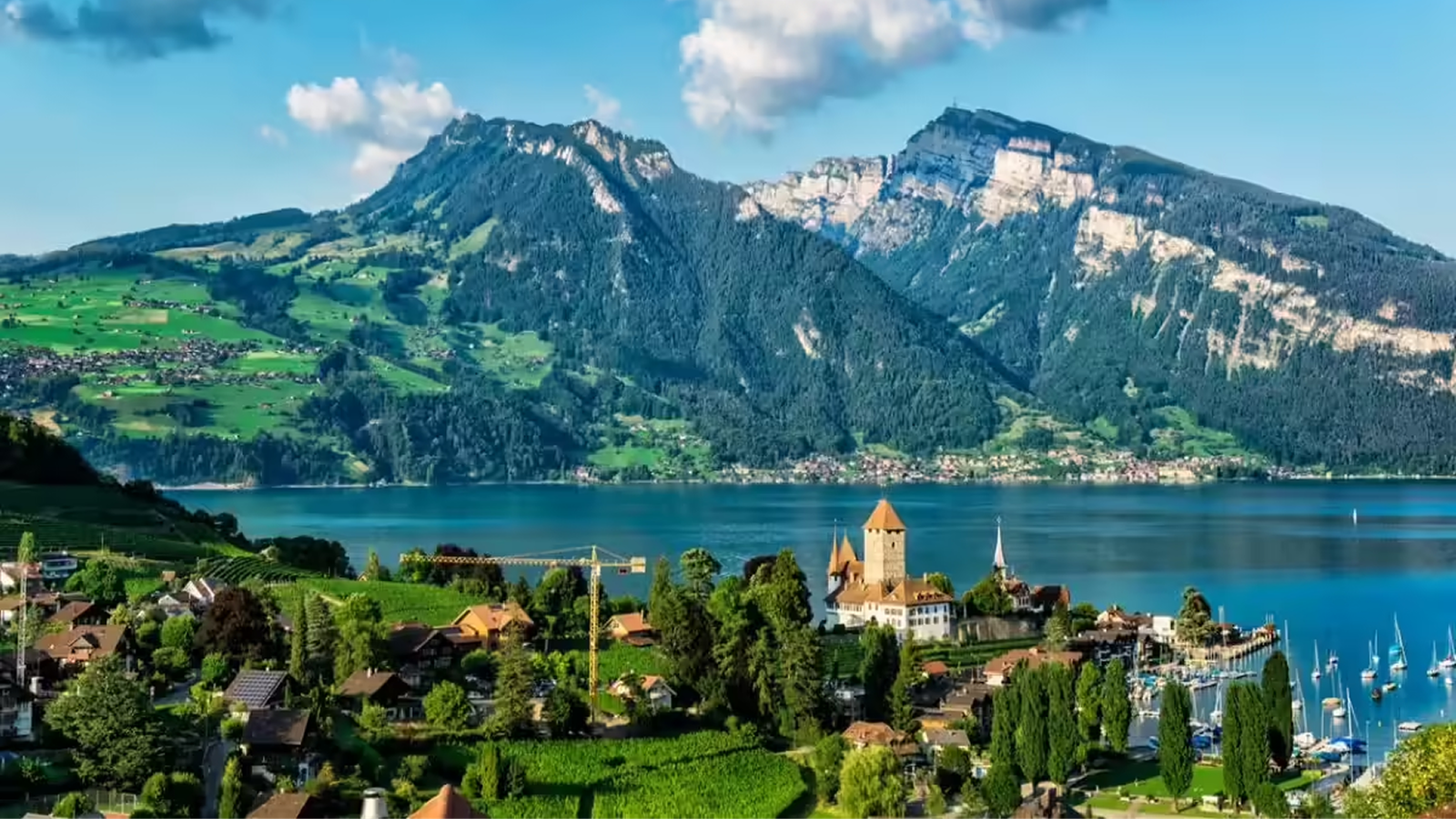
Switzerland is one of Europe’s most scenic destinations, with snow-covered mountains, turquoise lakes, charming villages, historic cities, and some of the world’s most famous scenic train journeys.
A first trip can feel difficult to plan because Switzerland has so many beautiful places to visit. Instead of trying to cover the entire country, this 7-day itinerary focuses on Zurich, Lucerne, Interlaken, Lauterbrunnen, Grindelwald, and Zermatt.
It combines cities, mountains, villages, scenic trains, and outdoor experiences while keeping the route relatively practical.
Switzerland at a Glance
Trip length: 7 days
Best for: First-time visitors
Main destinations: Zurich, Lucerne, Interlaken, Lauterbrunnen, Grindelwald, Zermatt
Travel style: Scenic + nature + cities + mountains
Recommended transport: Swiss public transportation
Day 1 — Arrive in Zurich and Explore the City
Start your Switzerland trip in Zurich, the country’s largest city and an important international transportation hub.
After checking into your hotel, spend the afternoon exploring the Old Town.
Walk along the narrow streets around Altstadt, visit the Grossmünster, and explore the area around the Limmat River.
You can also walk along Lake Zurich if you have enough time.
Zurich is easy to explore on foot, so you don’t need to pack your first afternoon with attractions.
Things to see
- Old Town
- Grossmünster
- Fraumünster
- Limmat River
- Bahnhofstrasse
- Lake Zurich
In the evening, enjoy a traditional Swiss meal before getting an early night.
Overnight
Zurich
Day 2 — Zurich to Lucerne
After breakfast, take a train from Zurich to Lucerne.
The journey is relatively short, giving you plenty of time to explore the city.
Lucerne is one of Switzerland’s most attractive cities, with a historic center surrounded by mountains and Lake Lucerne.
Start with Chapel Bridge, one of the city’s most recognizable landmarks.
Then explore the Old Town and walk along the waterfront.
If the weather is clear, consider taking a boat ride on Lake Lucerne.
Things to see
- Chapel Bridge
- Water Tower
- Lucerne Old Town
- Lake Lucerne
- Jesuit Church
- Lion Monument
In the evening, enjoy dinner around the Old Town.
Overnight
Lucerne
Day 3 — Mount Pilatus or Mount Titlis
Use your third day for a mountain experience.
You have two popular options from Lucerne.
Option 1: Mount Pilatus
Mount Pilatus provides impressive views over Lake Lucerne and the surrounding Alps.
You can reach the mountain using a combination of boat, train, cable car, or other mountain transportation depending on your chosen route.
Option 2: Mount Titlis
Mount Titlis offers a higher alpine experience, with glaciers and mountain scenery.
The journey takes longer, but the dramatic landscapes make it a popular choice.
Choose one rather than trying to do both in the same day.
Return to Lucerne in the evening.
Overnight
Lucerne
Day 4 — Lucerne to Interlaken
After breakfast, travel from Lucerne toward Interlaken.
This journey is an experience in itself because the route passes through beautiful mountain and lake landscapes.
Interlaken sits between Lake Thun and Lake Brienz and is surrounded by the Swiss Alps.
After checking in, spend the afternoon exploring the town.
If you have time, visit Harder Kulm for panoramic views over Interlaken.
From the viewpoint, you can see the surrounding lakes and mountains.
Overnight
Interlaken
Day 5 — Lauterbrunnen and Grindelwald
Day five is one of the most scenic days of the itinerary.
Start with Lauterbrunnen, a valley surrounded by dramatic cliffs and waterfalls.
The landscape is one of the most recognizable in Switzerland.
Spend some time walking through the valley and enjoying the scenery.
From Lauterbrunnen, continue toward Grindelwald.
Grindelwald is a beautiful mountain village surrounded by peaks and hiking trails.
Depending on the season, you can enjoy:
- Hiking
- Cable cars
- Mountain viewpoints
- Scenic walks
- Snow activities
- Alpine restaurants
Don’t rush the day. Both Lauterbrunnen and Grindelwald deserve time to explore.
Return to Interlaken in the evening.
Overnight
Interlaken
Day 6 — Interlaken to Zermatt
Travel from Interlaken toward Zermatt.
Zermatt is one of Switzerland’s most famous mountain destinations and is particularly known for the Matterhorn.
The village itself is largely car-free, creating a very different atmosphere from many other destinations.
After checking into your accommodation, explore the village and surrounding area.
If the weather is clear, consider taking a mountain railway or cable car for views of the Matterhorn.
The exact mountain experience you choose will depend on the season and weather.
Overnight
Zermatt
Day 7 — Matterhorn Experience and Departure
Start your final day with one last mountain experience.
Depending on your interests and weather conditions, you could visit:
- Gornergrat
- Matterhorn Glacier Paradise
- Sunnegga
- Nearby hiking trails
Gornergrat is particularly popular for panoramic views of the Matterhorn and surrounding peaks.
After returning to Zermatt, collect your luggage and begin your journey toward your departure city.
If your international flight is from Zurich, allow plenty of time for the train journey.
For a more relaxed trip, consider adding an extra night in Zurich before your flight.
Alternative 7-Day Switzerland Route
If you want to reduce hotel changes, you can simplify the itinerary.
Days 1–2
Zurich + Lucerne
Days 3–5
Interlaken
Use Interlaken as a base for:
- Lauterbrunnen
- Grindelwald
- Jungfraujoch
- Harder Kulm
Days 6–7
Zermatt
This version gives you fewer hotel changes and can be easier for travelers carrying larger luggage.
How to Travel Around Switzerland
Switzerland is extremely well connected by train.
For a first trip, public transportation is often more convenient than renting a car.
Trains connect major cities, towns, and mountain destinations, while buses, boats, cable cars, and mountain railways connect many attractions.
Swiss Travel Pass
Depending on your itinerary, investigate whether a Swiss Travel Pass makes financial sense for your trip.
Compare the cost with individual tickets before purchasing.
Your exact route, travel frequency, and mountain excursions will affect which option is most suitable.
Where to Stay
Zurich
Stay around the Old Town or near Zurich Hauptbahnhof if convenient transportation is your priority.
Lucerne
Staying near the Old Town or lakefront makes it easier to explore the city on foot.
Interlaken
Interlaken is useful as a base for exploring Lauterbrunnen and Grindelwald.
Another option is to stay directly in Lauterbrunnen or Grindelwald if you prefer a mountain-village atmosphere.
Zermatt
Stay within walking distance of the village center or near the railway station if you want easy access to transportation.
Best Time for This Switzerland Itinerary
Switzerland can be visited throughout the year.
Summer
June through August is excellent for hiking, mountain excursions, scenic trains, and outdoor activities.
It is also a popular travel period.
Autumn
September and October can provide beautiful autumn scenery and comfortable conditions for sightseeing.
Winter
December through February is ideal for snow, skiing, winter landscapes, and Christmas markets.
Zermatt and other mountain resorts become particularly popular during the winter season.
Spring
Spring brings changing weather conditions.
Lower-altitude destinations may become greener while mountain areas can still have significant snow.
What to Pack for Switzerland
Pack according to the season, but layers are useful throughout the year.
Important items include:
- Comfortable walking shoes
- Waterproof jacket
- Warm layers
- Sunglasses
- Sunscreen
- Small daypack
- Reusable water bottle
- Portable power bank
Mountain weather can be very different from conditions in the cities.
Always check the forecast before heading into alpine areas.
How Much Does a Switzerland Trip Cost?
Switzerland is generally considered an expensive European destination.
Your main expenses will usually include:
- Accommodation
- Transportation
- Mountain excursions
- Food
- Activities
You can reduce costs by staying in apartments or budget accommodation, buying groceries for some meals, using public transportation efficiently, and choosing free hiking and sightseeing activities.
Mountain excursions can add significantly to the cost, so include them in your budget before finalizing your itinerary.
Switzerland Travel Tips
Start your mountain days early
Popular mountain destinations can become busy later in the day, particularly during peak seasons.
Check the weather
Mountain visibility can change quickly.
A clear forecast can make a major difference to your experience.
Don’t overpack
You will probably change trains several times during a Switzerland itinerary.
Traveling with lighter luggage makes transfers much easier.
Keep some flexibility
If bad weather affects a mountain day, switch your plans rather than forcing the experience.
Don’t try to see everything
Switzerland is small compared with some European countries, but the mountains make travel slower than it appears on a map.
Choose a few regions and enjoy them properly.
Final Thoughts
A 7-day Switzerland itinerary can provide an excellent introduction to the country.
Zurich offers an easy international arrival point, Lucerne combines historic streets with a beautiful lake setting, Interlaken provides access to the Bernese Oberland, and Zermatt offers some of Switzerland’s most iconic mountain scenery.
The biggest mistake is trying to fit too much into one week.
Give yourself time to enjoy the train journeys, mountain views, lakes, villages, and unexpected stops along the way.
If you have more than seven days, simply slow the itinerary down rather than adding destinations every day.
Switzerland is best experienced at a comfortable pace, with enough time to look out the train window and appreciate the landscape around you.