
Egypt is one of those destinations where ancient history, vibrant cities, desert landscapes, and the Nile River come together in a way that feels completely different from anywhere else.
For a first visit, it can be difficult to decide where to go. Egypt has famous archaeological sites in Cairo and Luxor, temples along the Nile, desert landscapes, and Red Sea resorts.
The good news is that you can experience many of the country’s highlights in one week if you plan your route carefully.
This 7-day Egypt itinerary focuses on Cairo, Giza, Luxor, and the Nile Valley, giving you a combination of ancient history, local culture, temples, and memorable landscapes without trying to cover too much.
Egypt at a Glance
Recommended trip length: 7 days
Main destinations: Cairo, Giza, Luxor
Best for: History, culture, archaeology, food, photography, and adventure
Ideal travel style: City sightseeing + historical attractions + guided experiences
A seven-day trip will not cover all of Egypt, but it is enough for a strong introduction to the country’s most famous ancient sites.
Day 1 — Arrive in Cairo
Start your Egypt trip in Cairo, the country’s largest city and one of the best places to experience modern Egyptian life.
After arriving, keep your first day relatively relaxed. Depending on your arrival time, check into your hotel, rest, and explore the area around your accommodation.
If you arrive early enough, spend the evening walking around a local neighborhood or enjoying your first Egyptian meal.
What to do
- Check into your hotel
- Explore your neighborhood
- Try traditional Egyptian food
- Visit a local café
- Rest after your journey
Don’t try to fit major sightseeing into your first evening if you arrive tired. Cairo can be busy and overwhelming at first, so giving yourself time to settle in can make the rest of the trip more enjoyable.
Where to stay
For easy sightseeing, consider staying in central Cairo, Zamalek, or around Giza depending on your priorities.
Day 2 — Pyramids of Giza and the Great Sphinx
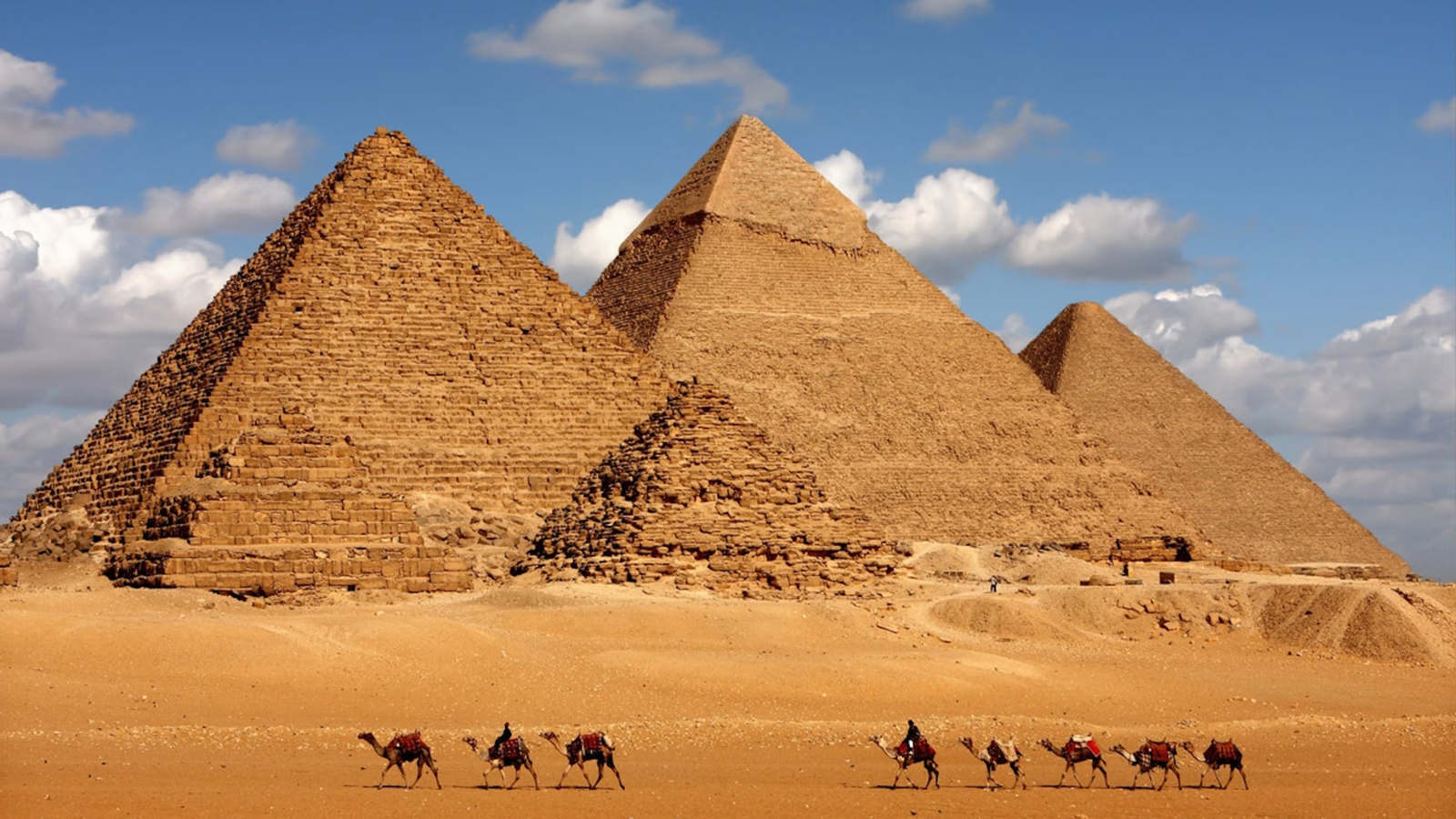
Day two is dedicated to one of the world’s most famous archaeological landscapes.
Start early and head to the Pyramids of Giza.
The complex includes the Great Pyramid of Giza and the other major pyramids, along with the famous Sphinx.
Arriving early can make the experience more comfortable, particularly if you are visiting during a warmer period.
Spend your morning exploring
Take time to see the pyramids from different viewpoints rather than simply arriving, taking photographs, and leaving.
You can also consider entering one of the pyramids if access is available and you are comfortable with enclosed spaces.
After exploring the pyramid complex, visit the Great Sphinx.
Afternoon
Return toward Cairo for lunch and some rest.
Later in the afternoon, you can explore more of the city or visit a local market.
Evening
Enjoy a traditional Egyptian dinner.
Some dishes worth trying include:
- Koshari
- Ful medames
- Ta’ameya
- Grilled meats
- Egyptian bread
- Local desserts
Day 3 — Old Cairo and Egyptian Museum
Spend your third day exploring Cairo’s history beyond the pyramids.
Start with the Egyptian Museum or another major museum available on your travel dates.
Allow several hours because Egypt’s archaeological collections are extensive.
After the museum, explore Old Cairo.
This part of the city offers a very different atmosphere from the modern areas and provides an opportunity to see historic religious architecture and traditional streets.
Afternoon
Take a break for lunch before continuing your sightseeing.
You can explore areas around historic Cairo and visit traditional markets.
Evening
End the day with a relaxed dinner.
If you enjoy photography, Cairo is particularly interesting around sunset when the city begins to transition from daytime activity into its evening rhythm.
Day 4 — Travel to Luxor
On day four, leave Cairo and travel south toward Luxor.
Luxor is one of the most important destinations for travelers interested in ancient Egypt.
The city sits along the Nile and is surrounded by some of the country’s most significant archaeological sites.
Depending on your transportation and arrival time, keep your first afternoon relatively light.
After arriving
Check into your hotel and explore the Nile waterfront.
A sunset walk or relaxed meal overlooking the river can be a good way to begin your Luxor stay.
Optional experience
If available during your visit, consider a short Nile boat ride around sunset.
The Nile has shaped Egyptian civilization for thousands of years, and seeing the river from the water provides a completely different perspective.
Day 5 — Valley of the Kings and West Bank
Start early for one of the most important days of your Egypt trip.
Cross to the West Bank of Luxor and explore the ancient sites surrounding the Valley of the Kings.
The area contains numerous ancient tombs and is one of the most important archaeological landscapes in Egypt.
Visit the Valley of the Kings
The exact tombs open to visitors can vary, so check current access information when planning your visit.
The interiors can be impressive, with decorated walls and ancient artwork.
Continue to other West Bank sites
Depending on your schedule, you can also visit:
- Temple of Hatshepsut
- Colossi of Memnon
- Other archaeological sites in the surrounding area
A knowledgeable guide can be particularly useful in Luxor because understanding the history makes the monuments much more meaningful.
Evening
Return to your hotel and relax.
You will have an early start again the following day, so avoid planning a very late night.
Day 6 — Karnak Temple and Luxor Temple
Your final full day in Luxor focuses on the East Bank.
Start with Karnak Temple, one of the largest ancient religious complexes in the world.
The site is enormous, so give yourself plenty of time to explore its courtyards, columns, halls, and monuments.
The scale of the complex is one of the things that makes it so impressive.
Afternoon
After lunch and a short break, visit Luxor Temple.
The temple is located close to the modern city and is particularly atmospheric later in the day.
If you have enough time, return around sunset or in the evening when the illuminated architecture creates a different experience.
Evening
Spend your final evening in Luxor enjoying dinner beside the Nile.
Day 7 — Return to Cairo and Departure
On your final day, return to Cairo according to your departure schedule.
If your flight is later in the day, you may have time for a relaxed breakfast and some last-minute shopping.
If your flight is early, arrange your transportation the night before and leave enough time to reach the airport.
Avoid planning a major attraction on departure day. Egypt’s cities can be busy, and transportation can take longer than expected.
Alternative: Add a Red Sea Beach Stay
If ancient history isn’t the only reason you are visiting Egypt, you can modify this itinerary.
Instead of spending the full seven days between Cairo and Luxor, you could add a short stay in a Red Sea destination.
Popular options include Hurghada and Sharm El Sheikh.
These destinations are known for beaches, resorts, snorkeling, diving, and warm-water activities.
A possible alternative would be:
Days 1–2: Cairo and Giza
Days 3–4: Luxor
Days 5–7: Red Sea resort
This version gives you a better balance between sightseeing and relaxation.
Best Time to Visit Egypt
Egypt can be visited throughout much of the year, but temperatures are an important consideration.
The cooler months are generally more comfortable for sightseeing, particularly when visiting archaeological sites where you may spend several hours outdoors.
Summer can be extremely hot in many parts of the country.
If you visit during a warmer period, plan major outdoor attractions for the morning and carry water, sun protection, and lightweight clothing.
How to Get Around Egypt
Your transportation choices will depend on your itinerary.
Cairo
Cairo is large and busy. Organized tours, taxis, ride-hailing services, and private drivers can all be useful depending on your plans.
Cairo to Luxor
You can travel between Cairo and Luxor by air or other long-distance transportation options.
For a one-week itinerary, flying can save valuable time.
Around Luxor
Private drivers, taxis, organized tours, and guides can make it easier to visit sites on both sides of the Nile.
For archaeological sightseeing, having a knowledgeable guide can significantly improve the experience.
What to Eat in Egypt
Food should be part of your Egypt experience.
Try:
Koshari
A filling combination of rice, pasta, lentils, chickpeas, tomato sauce, and other toppings.
Ful Medames
A traditional dish made from cooked fava beans and commonly served for breakfast.
Ta’ameya
An Egyptian version of falafel, traditionally made using fava beans.
Molokhia
A popular dish made using finely chopped leafy greens and served in different ways.
Egyptian Desserts
Look for traditional sweets such as basbousa and other syrup-based desserts.
Egypt Travel Tips for First-Time Visitors
Start sightseeing early
Many major attractions are outdoors, so early mornings can be more comfortable.
Carry water
Hydration is particularly important when visiting archaeological sites.
Dress appropriately
Light, breathable clothing is useful for the climate, while more conservative clothing is appropriate when visiting religious and traditional areas.
Use reputable guides
A good guide can provide historical context and make archaeological sites much easier to understand.
Don’t rush
Egypt has an enormous amount of history. You will enjoy the experience more if you give yourself enough time at each major site.
Keep some flexibility
Transportation and sightseeing schedules can change. Avoid making every hour of your trip dependent on perfect timing.
How Much Does a 7-Day Egypt Trip Cost?
The total cost depends heavily on your travel style.
A budget traveler can use simple hotels, local restaurants, and public transportation.
A mid-range traveler can choose comfortable hotels, private transfers, and guided sightseeing.
Luxury travelers can stay in high-end hotels, use private guides and drivers, and add premium Nile or Red Sea experiences.
Your biggest costs are likely to come from accommodation, domestic transportation, guides, attraction tickets, and flights.
Final Thoughts
A week in Egypt is enough to experience some of the country’s greatest highlights, but it is only an introduction.
This itinerary gives you time in Cairo and Giza, followed by several days exploring Luxor and the ancient sites along the Nile.
If you want more relaxation, replace part of the Luxor experience with a Red Sea stay. If ancient history is your main interest, give yourself more time in Luxor.
The most important thing is to avoid trying to see every part of Egypt in seven days. Focus on a few destinations and allow yourself time to appreciate the history, food, landscapes, and everyday life along the way.
Egypt is a destination that can feel overwhelming at first, but with a well-planned route, your first trip can be both manageable and unforgettable.