
Germany is one of Europe’s most rewarding countries to explore, combining historic cities, fairytale castles, medieval towns, scenic countryside, impressive museums and a strong food culture.
A 10-day Germany itinerary gives you enough time to experience several different sides of the country without trying to see everything at once. For a first trip, a route connecting Berlin, Dresden, Nuremberg, Munich and the Bavarian Alps offers a good mix of history, culture, architecture and scenery.
This itinerary is designed for travelers visiting Germany for the first time and works well whether you travel by train or combine trains with short regional journeys.
Germany at a Glance
Trip length: 10 days
Best for: First-time visitors
Main destinations: Berlin, Dresden, Nuremberg, Munich and Bavarian Alps
Travel style: Culture, history, food and scenic experiences
Recommended transport: Train
Best suited to: Couples, solo travelers, families and first-time visitors
Day 1 — Arrive in Berlin
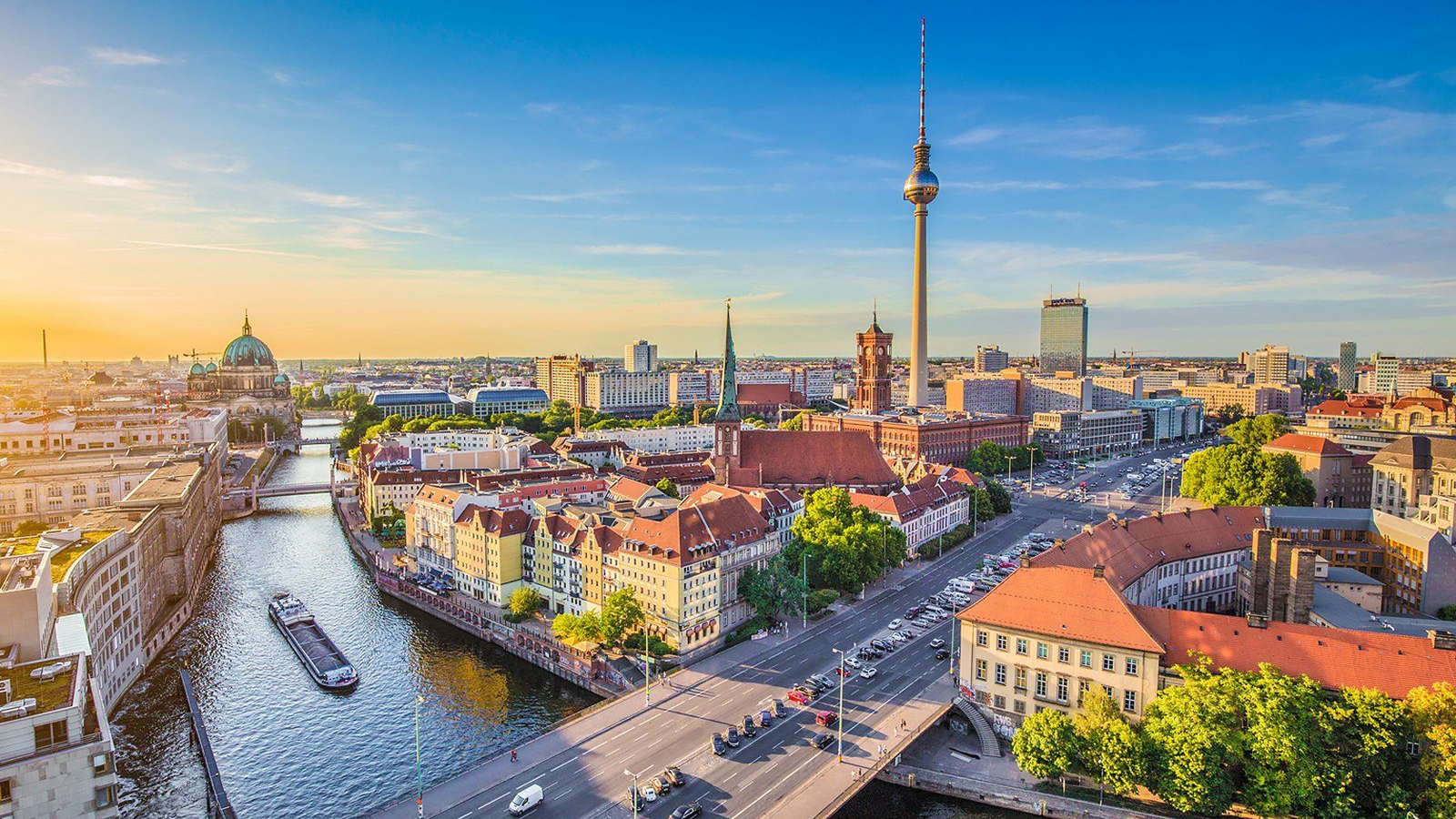
Begin your Germany trip in Berlin, the country’s capital and one of Europe’s most historically significant cities.
After checking into your accommodation, keep your first day relatively relaxed. Berlin is a large city, and giving yourself time to settle in will make the rest of the itinerary more enjoyable.
Start around Brandenburg Gate, one of Berlin’s most recognizable landmarks. From here, you can walk toward the Reichstag Building and explore the surrounding government district.
Later, walk along Unter den Linden toward Museum Island and central Berlin.
Don’t miss
- Brandenburg Gate
- Reichstag Building
- Unter den Linden
- Museum Island
- Berlin Cathedral
Spend your first evening enjoying traditional German food at a local restaurant.
Day 2 — Explore Berlin’s History
Use your second day to explore Berlin’s complex history.
Begin at the Berlin Wall Memorial, where you can learn about the division of the city during the Cold War.
Continue toward Checkpoint Charlie and explore the surrounding streets before visiting the Topography of Terror, which documents the history of Nazi Germany.
In the afternoon, visit the Holocaust Memorial near Brandenburg Gate.
If you still have energy, spend the evening exploring Berlin’s neighborhoods, cafés and restaurants.
Suggested schedule
Morning: Berlin Wall Memorial
Late morning: Checkpoint Charlie
Afternoon: Topography of Terror and Holocaust Memorial
Evening: Central Berlin
Berlin deserves at least two full days on a first visit because its historical attractions are spread across different parts of the city.
Day 3 — Dresden
Take a morning train from Berlin to Dresden.
The journey is relatively straightforward, and Dresden makes an excellent stop between Berlin and southern Germany.
Known for its impressive architecture and cultural heritage, Dresden’s historic center can be explored largely on foot.
Start at Neumarkt and visit the famous Frauenkirche.
Continue toward the Zwinger Palace, one of the city’s most important Baroque landmarks.
Places to see
- Frauenkirche
- Zwinger Palace
- Dresden Castle
- Semperoper
- Brühl’s Terrace
- Elbe River
Spend the evening walking through Dresden’s historic center before enjoying dinner.
Day 4 — Nuremberg
Travel from Dresden to Nuremberg, a city with a fascinating medieval heritage and an important place in modern European history.
Begin by exploring the Old Town, where you will find historic buildings, churches, squares and traditional restaurants.
Visit Nuremberg Castle for views over the city.
You can also explore the Documentation Center Nazi Party Rally Grounds to better understand the city’s role during the Nazi period.
Highlights
- Nuremberg Castle
- Old Town
- Hauptmarkt
- St. Lorenz Church
- Documentation Center
- Pegnitz River
Try some local Nuremberg specialties during dinner, including the city’s famous small sausages.
Day 5 — Travel to Munich
Continue south toward Munich, the capital of Bavaria.
Munich combines historic architecture with a lively modern atmosphere and is an excellent base for exploring southern Germany.
Start your afternoon at Marienplatz, the city’s central square.
Visit the New Town Hall and watch the famous Glockenspiel if the timing works with your visit.
From there, walk through the historic center and explore nearby churches and traditional Bavarian streets.
Evening
Visit a traditional beer hall or Bavarian restaurant and try local specialties such as:
- Pretzels
- Weißwurst
- Schnitzel
- Roast pork
- Apple strudel
Day 6 — Explore Munich
Spend a full day discovering Munich.
Begin with the Residenz, the former royal palace of Bavaria. Its rooms and collections provide an insight into the region’s royal history.
Continue toward the English Garden, one of the world’s large urban parks.
You can spend several hours walking through the park, relaxing beside the river or stopping at one of its traditional beer gardens.
In the afternoon, explore more of Munich’s central streets.
Places to visit
- Munich Residenz
- English Garden
- Marienplatz
- Viktualienmarkt
- Frauenkirche
- Odeonsplatz
Munich’s compact historic center makes it easy to explore several attractions without spending much time on transportation.
Day 7 — Neuschwanstein Castle
Take a day trip from Munich to Neuschwanstein Castle, one of Germany’s most famous landmarks.
The castle sits dramatically above the village of Hohenschwangau in the Bavarian Alps.
Arrive early if possible, particularly during busy travel periods.
After visiting the castle, spend some time exploring the surrounding landscape. The mountain scenery and nearby lakes make this one of the most scenic days of the itinerary.
What to see
- Neuschwanstein Castle
- Hohenschwangau
- Marienbrücke
- Bavarian Alps
- Alpsee
Return to Munich in the evening.
Day 8 — Bavarian Alps
Use your eighth day for a slower experience in the Bavarian Alps.
One option is to visit Garmisch-Partenkirchen, a mountain resort town close to the Austrian border.
The area is known for dramatic Alpine scenery and outdoor activities.
Depending on the season, you can hike, take mountain cable cars, explore the town or simply enjoy the surrounding landscapes.
Things to do
- Explore Garmisch-Partenkirchen
- Visit Partnach Gorge
- Take a mountain cable car
- Enjoy an Alpine lunch
- Walk through the surrounding countryside
If you’re visiting during winter, the region also offers opportunities for skiing and other snow activities.
Return to Munich or stay overnight in the mountains if you prefer a slower trip.
Day 9 — Munich’s Markets and Local Life
Keep your ninth day flexible.
Start at Viktualienmarkt, Munich’s famous food market. It’s an excellent place to sample local ingredients, snacks and regional specialties.
After breakfast, explore neighborhoods away from the main tourist attractions.
You can also visit one of Munich’s museums depending on your interests.
For art lovers, the Pinakothek museums offer several collections covering different periods.
Spend your final evening enjoying a relaxed Bavarian dinner.
Day 10 — Final Morning in Munich
Keep your final morning simple.
Have breakfast at a local café before taking one last walk through Munich’s historic center.
You can use the remaining time for shopping, photography or visiting any attraction you missed earlier in the trip.
If you’re flying home from Munich, allow plenty of time to reach the airport.
If your return flight is later in the evening, you can use the extra hours to enjoy one final meal in the city.
Germany Itinerary at a Glance
| Day | Destination | Main Experiences |
|---|---|---|
| 1 | Berlin | Brandenburg Gate, Reichstag, Museum Island |
| 2 | Berlin | Berlin Wall, Checkpoint Charlie, Holocaust Memorial |
| 3 | Dresden | Frauenkirche, Zwinger, Old Town |
| 4 | Nuremberg | Castle, Old Town, historic sites |
| 5 | Munich | Marienplatz, Old Town, Bavarian food |
| 6 | Munich | Residenz, English Garden, Viktualienmarkt |
| 7 | Neuschwanstein | Castle and Bavarian Alps |
| 8 | Garmisch-Partenkirchen | Mountains, hiking and Alpine scenery |
| 9 | Munich | Markets, museums and local neighborhoods |
| 10 | Munich | Final sightseeing and departure |
How to Travel Around Germany
Germany’s railway network makes this itinerary relatively easy to complete without renting a car.
For the major city-to-city sections, trains can save time and allow you to avoid parking and city traffic.
For destinations in the Bavarian Alps, however, local trains, buses or organized day trips may be more convenient depending on your plans.
If you’re traveling during busy periods, booking popular long-distance train journeys ahead of time can make planning easier.
When to Visit Germany
Germany can be visited throughout the year, but the experience changes considerably by season.
Spring brings greener landscapes and generally comfortable conditions for city sightseeing.
Summer offers long daylight hours and is particularly appealing for outdoor activities and exploring the Alps.
Autumn brings colorful landscapes and a strong cultural atmosphere, particularly in Bavaria.
Winter is ideal for travelers interested in Christmas markets, festive city centers and winter landscapes.
For a first trip combining cities and mountains, the best season depends on whether you prioritize outdoor activities, festivals, sightseeing or winter experiences.
What to Eat in Germany
Germany has a much broader food culture than sausages and pretzels.
During your trip, consider trying:
- Bratwurst
- Currywurst
- Schnitzel
- Weißwurst
- Sauerbraten
- Maultaschen
- Pretzels
- Kartoffelpuffer
- Black Forest cake
- Apple strudel
Each region also has its own specialties, so trying local dishes as you travel can become part of the experience.
How Much Time Do You Need in Germany?
Ten days is a good starting point for a first visit, but Germany is large enough to support much longer trips.
If you have only five days, focus on Berlin and Munich.
With seven days, you can add Dresden or a Bavarian Alps excursion.
With two weeks, consider adding destinations such as Hamburg, Cologne, Heidelberg, the Rhine Valley or the Black Forest.
The key is to avoid trying to visit too many cities in a short period. Spending more time in fewer destinations often gives you a better sense of the country.
Final Thoughts
A 10-day Germany itinerary can combine some of the country’s most interesting cities with its spectacular southern landscapes.
Starting in Berlin gives you an introduction to Germany’s modern culture and complex history. Dresden and Nuremberg add architectural and historical depth before the journey continues to Munich and Bavaria.
The final days provide an opportunity to experience the mountains, castles, traditional food and slower pace of southern Germany.
Whether you’re interested in history, architecture, food, culture or outdoor adventures, Germany offers plenty of variety for a first European trip.