
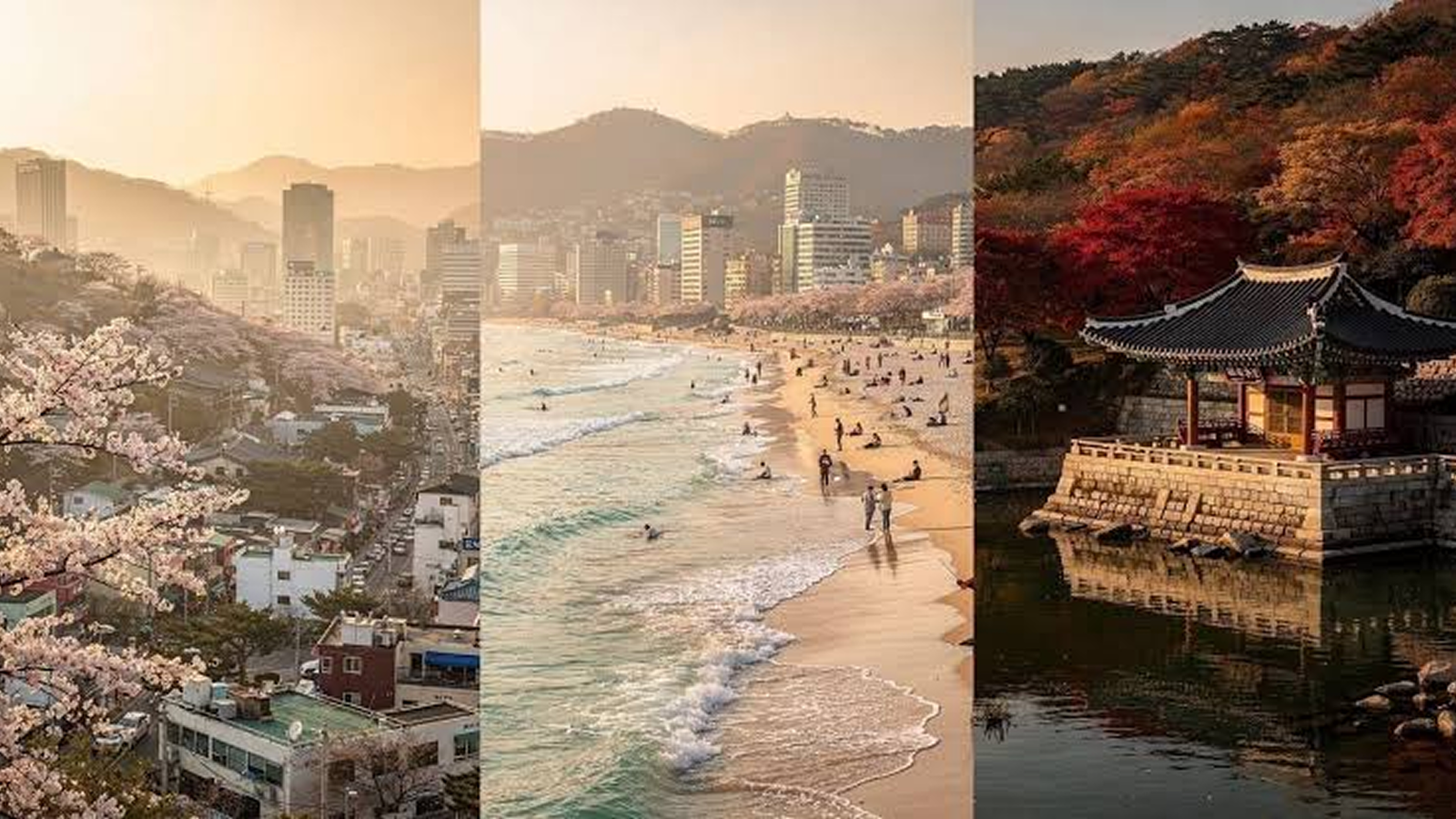
South Korea offers a fascinating mix of ancient palaces, modern cities, mountain landscapes, coastal towns, traditional markets, and world-famous food. From exploring Seoul’s historic neighborhoods to seeing cherry blossoms in spring or colorful autumn mountains, the experience can change dramatically depending on when you visit.
The best time to visit South Korea depends on what you want from your trip. Spring and autumn are especially popular for comfortable weather and beautiful scenery, while summer is ideal for travelers who enjoy beaches and festivals. Winter brings cold temperatures but also snow-covered landscapes and excellent conditions for skiing.
This month-by-month guide will help you choose the right time for your South Korea trip.
South Korea at a Glance
Best overall seasons: Spring and autumn
Best for cherry blossoms: March–April
Best for autumn foliage: October–November
Best for beaches: July–August
Best for skiing and snow: December–February
Best for fewer crowds: Late autumn and winter
Main destinations: Seoul, Busan, Jeju Island, Gyeongju, Incheon
March: The Beginning of Spring
March marks the transition from winter into spring.
Temperatures gradually become more comfortable, although early March can still feel cold, particularly in northern areas.
It is a good month for travelers who want to explore cities without the intense summer heat.
Things to do in March
- Explore Seoul’s historic palaces
- Walk through Bukchon Hanok Village
- Visit Gyeongbokgung Palace
- Explore traditional markets
- Take a day trip to Nami Island
- Visit Busan’s coastal attractions
Cherry blossoms generally become more prominent later in the season, so if seeing them is your priority, April is often a better choice.
April: Cherry Blossom Season
April is one of the most popular months to visit South Korea.
The weather becomes more pleasant and spring flowers transform parks, streets, and riverbanks.
Seoul is particularly beautiful during this period, while destinations throughout the country offer opportunities to see spring blossoms.
Popular places for spring scenery include:
- Yeouido in Seoul
- Seoul Forest
- Jinhae
- Gyeongju
- Jeju Island
Because cherry blossom timing varies from year to year and by location, check local forecasts closer to your trip.
May: Comfortable Weather and Green Landscapes
May is another excellent month for exploring South Korea.
Temperatures are generally comfortable, landscapes become increasingly green, and outdoor activities become easier.
This is a great month for combining cities with nature.
Consider visiting:
Seoul: Palaces, museums, cafés and neighborhoods
Gyeongju: Historic temples, tombs and traditional Korean architecture
Busan: Beaches, markets and coastal scenery
Jeju Island: Hiking, waterfalls and volcanic landscapes
May can be a particularly good choice if you want spring weather without making your entire trip dependent on cherry blossom timing.
June: Early Summer
June marks the beginning of summer.
Temperatures become warmer, while rainfall can increase as the summer monsoon period approaches.
The first part of June can be a comfortable time for sightseeing.
If you’re visiting during this month, plan a mixture of indoor and outdoor activities.
In Seoul, you can combine palaces and markets with museums, cafés, shopping districts, and cultural attractions.
For nature lovers, Jeju Island is another attractive option.
July: Hot and Humid Summer
July is generally hot and humid across much of South Korea, with increased rainfall during the summer monsoon season.
This doesn’t mean you should avoid visiting, but you’ll want to plan around the weather.
If you’re traveling during July:
- Carry lightweight clothing
- Keep rain protection available
- Allow flexibility in your itinerary
- Plan indoor attractions during heavy rain
- Leave enough time between outdoor activities
Summer can also be a good period for travelers interested in South Korea’s coastal destinations.
August: Beaches and Summer Travel
August remains hot and humid.
For travelers who enjoy beaches and summer activities, this can be an appealing time to visit destinations such as Busan and Jeju Island.
Haeundae Beach in Busan is one of South Korea’s best-known coastal destinations.
However, August can also bring high humidity and periods of heavy rain, so flexibility is important.
If your main goal is hiking, sightseeing, and walking around cities for long periods, spring or autumn may be more comfortable.
September: The Start of Autumn
September brings a gradual transition away from summer.
Temperatures begin to become more comfortable, making it a good month for exploring cities and outdoor attractions.
The first part of the month can still feel summery, while conditions generally become more pleasant as the month progresses.
Consider combining Seoul with:
- Gyeongju
- Busan
- Jeju Island
- Seoraksan National Park
September is particularly useful for travelers who want outdoor experiences without visiting during the coldest months.
October: Autumn Foliage
October is one of the most visually impressive times to visit South Korea.
The weather is generally comfortable, while mountains and parks begin displaying autumn colors.
Seoraksan National Park is particularly famous for its autumn scenery.
Other destinations worth considering include:
- Seoul
- Nami Island
- Gyeongju
- Jeju Island
- Naejangsan National Park
Autumn is also a great time for long walking days, photography, hiking, and exploring historic neighborhoods.
November: Late Autumn
November continues the autumn season, although temperatures become cooler.
Early November can still offer beautiful foliage depending on the region and year.
The later part of the month begins to feel much more like winter, particularly in northern areas.
This can be a good option for travelers who prefer cooler temperatures and want to avoid the peak summer season.
Pack layers so you can adjust to changing temperatures throughout the day.
December: Winter Begins
December brings cold weather and shorter daylight hours.
Seoul can feel particularly chilly, but winter also gives the city a completely different atmosphere.
You can explore:
- Gyeongbokgung Palace
- Myeongdong
- Insadong
- Bukchon Hanok Village
- Traditional markets
- Cafés and cultural attractions
If you’re interested in winter sports, December can also mark the beginning of the ski season in mountain regions.
January: Coldest Winter Conditions
January is typically one of the coldest months in South Korea.
Snow is possible, especially in mountainous areas, while Seoul can experience freezing temperatures.
For travelers who don’t mind the cold, January offers a different experience from the busy spring and autumn seasons.
Winter activities can include:
- Skiing
- Snowboarding
- Visiting winter festivals
- Exploring traditional markets
- Enjoying Korean hot-pot dishes
- Visiting spas and jjimjilbangs
Warm clothing is essential.
February: Winter With a Hint of Spring
February remains cold but marks the final stage of winter.
Snow and winter conditions can still occur, especially in mountainous regions.
Towards the end of the month, temperatures gradually begin moving toward spring.
This can be an interesting time for travelers who want winter experiences without visiting during the holiday-heavy period.
When Is the Best Time to Visit South Korea?
For most travelers, April–May and September–October offer a comfortable combination of weather and sightseeing opportunities.
However, your ideal month depends on your travel priorities.
| Travel Goal | Suggested Period |
|---|---|
| Cherry blossoms | March–April |
| Comfortable sightseeing | April–May |
| Beaches | July–August |
| Hiking | April–May / September–October |
| Autumn foliage | October–November |
| Skiing and snow | December–February |
| Winter atmosphere | December–February |
| Cooler weather | October–November |
Best Time to Visit Seoul
Seoul can be visited throughout the year, but spring and autumn are particularly comfortable for walking around the city.
Spring is ideal for parks and palace grounds, while autumn brings colorful foliage.
Summer can be hot and humid, and winter can be very cold.
If you’re planning your first Seoul trip, consider spending at least 4–5 days in the city so you have enough time to explore its historic, modern, and culinary sides.
Best Time to Visit Busan
Busan is particularly appealing from spring through autumn.
The city combines beaches, seafood markets, colorful neighborhoods, temples, and coastal walks.
Summer is popular for beach trips, while spring and autumn can be more comfortable for exploring the city on foot.
Best Time to Visit Jeju Island
Jeju Island is a year-round destination, but spring and autumn offer particularly attractive conditions for outdoor exploration.
The island is known for volcanic landscapes, waterfalls, hiking trails, beaches, and coastal scenery.
If hiking Hallasan is part of your plan, check seasonal trail conditions before your trip.
What to Pack for South Korea
Your packing list should change depending on the season.
Spring
- Light jacket
- Comfortable walking shoes
- Layers
- Compact umbrella
Summer
- Lightweight clothing
- Comfortable shoes
- Sun protection
- Rain jacket or umbrella
Autumn
- Light sweater
- Jacket
- Comfortable walking shoes
- Layers
Winter
- Warm coat
- Thermal layers
- Gloves
- Hat
- Warm footwear
Regardless of the season, comfortable walking shoes are important because many Korean cities are best explored on foot.
How Long Should You Spend in South Korea?
For a first trip, 7–10 days gives you enough time to experience several major destinations.
A possible route is:
Days 1–4: Seoul
Days 5–6: Gyeongju
Days 7–8: Busan
Days 9–10: Jeju Island or additional time in Seoul
If you have only one week, focus on Seoul and Busan rather than trying to cover too much ground.
Final Thoughts
South Korea is a destination that changes dramatically throughout the year.
Spring brings flowers and fresh green landscapes. Summer is warm and coastal. Autumn adds spectacular colors to the country’s mountains and parks, while winter transforms the landscape with cold weather and snow.
For travelers who want comfortable sightseeing conditions, spring and autumn are particularly attractive seasons.
But there isn’t one perfect month for everyone. The best time to visit South Korea depends on whether your priority is cherry blossoms, beaches, hiking, autumn foliage, winter sports, food, or simply exploring the country’s cities at your own pace.