
Spain is one of those countries where a single trip can combine historic cities, Mediterranean beaches, incredible food, lively neighborhoods, art, architecture, and unforgettable evenings. From the grand avenues of Madrid to the narrow streets of Seville and the coastal atmosphere of Barcelona, Spain offers a huge variety of experiences within a relatively compact country.
If it is your first time visiting Spain, 10 days is a good amount of time to experience several of its most famous destinations without trying to see everything at once.
This itinerary focuses on Madrid, Seville, and Barcelona, with a day trip to Toledo. It works particularly well for first-time visitors who want a balance of culture, sightseeing, food, and relaxed exploration.
Spain at a Glance
Recommended trip length: 10 days
Best for: First-time visitors, couples, solo travelers, families, culture lovers
Main destinations: Madrid, Toledo, Seville, Barcelona
Travel style: City sightseeing, food, culture and history
Best way to travel between cities: High-speed trains where practical
Days 1–3: Madrid
Start your Spanish adventure in Madrid, the country’s capital and one of Europe’s most interesting cities.
Madrid combines grand architecture with lively plazas, museums, parks, markets, and neighborhoods filled with restaurants and cafés. It is also an excellent introduction to Spanish food and culture.
Day 1: Explore Central Madrid
Begin around Puerta del Sol, one of Madrid’s best-known gathering places.
From here, walk toward Plaza Mayor, the historic square surrounded by elegant buildings and arcades. Take your time exploring the surrounding streets before continuing toward the Royal Palace of Madrid.
The palace is one of the city’s major landmarks and is surrounded by beautiful gardens and historic buildings.
In the evening, explore the La Latina neighborhood. Its narrow streets, traditional restaurants, and lively atmosphere make it a great place to experience Madrid after dark.
Try some classic Spanish dishes such as:
- Tortilla española
- Croquetas
- Jamón ibérico
- Patatas bravas
- Churros with chocolate
Day 2: Museums and Retiro Park
Spend your second day exploring Madrid’s art and cultural side.
The Prado Museum is one of Europe’s most important art museums and is home to an impressive collection of European paintings.
After the museum, walk toward Retiro Park, one of Madrid’s most beautiful green spaces.
You can spend several hours walking through the park, visiting the Crystal Palace area, and relaxing around the lake.
Later, head toward Gran Vía, Madrid’s famous central avenue. The area is particularly atmospheric in the evening when the buildings and theaters light up.
Day 3: Madrid at a Slower Pace
Use your third day to experience Madrid beyond the major attractions.
Explore neighborhoods such as Malasaña and Chueca, where you’ll find independent shops, cafés, restaurants, and local street life.
You can also visit Mercado de San Miguel for a variety of Spanish food and small plates.
Keep the evening relatively relaxed because the next morning you’ll travel south to Seville.
Day 4: Toledo Day Trip
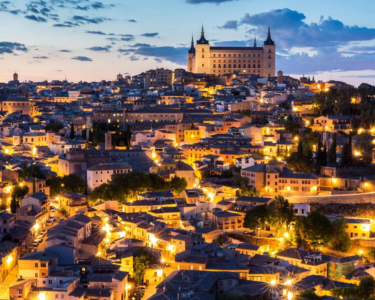
From Madrid, take a day trip to Toledo, a historic city known for its medieval architecture and multicultural heritage.
The city sits on a hill surrounded by the Tagus River, creating some beautiful viewpoints from outside the historic center.
Spend the day walking through the old town and exploring its narrow streets.
Some of the highlights include:
- Toledo Cathedral
- Alcázar of Toledo
- Jewish Quarter
- Monastery of San Juan de los Reyes
- Historic city walls
- Mirador del Valle
Toledo is compact enough to explore largely on foot.
Return to Madrid in the evening and prepare for your journey to Seville.
Days 5–6: Seville
Take a high-speed train from Madrid to Seville.
Seville feels very different from Madrid. The Andalusian capital is known for its architecture, orange-tree-lined streets, flamenco traditions, courtyards, and relaxed pace.
Day 5: Historic Seville
Start your day around the Seville Cathedral and La Giralda.
The cathedral is one of the city’s defining landmarks, while La Giralda provides one of the most recognizable views of Seville.
Continue to the Real Alcázar of Seville, a spectacular palace complex with ornate rooms, courtyards, and gardens.
After sightseeing, simply walk through the historic center.
The Santa Cruz neighborhood is particularly enjoyable for wandering without a strict itinerary.
In the evening, consider attending a traditional flamenco performance.
Day 6: Plaza de España and Triana
Begin your morning at Plaza de España, one of Seville’s most recognizable architectural landmarks.
The enormous semicircular complex combines colorful tiles, bridges, towers, and open spaces.
Afterward, spend some time in María Luisa Park.
Later, cross the Guadalquivir River into Triana, a neighborhood famous for its ceramics, traditional atmosphere, and connection to flamenco culture.
Enjoy a long Spanish lunch before spending your final evening in Seville.
Days 7–10: Barcelona
Take a flight or suitable rail connection from Seville to Barcelona.
Barcelona brings another completely different side of Spain, with Mediterranean beaches, Catalan culture, modernist architecture, markets, and vibrant neighborhoods.
Day 7: Gothic Barcelona
Start in the Gothic Quarter, where narrow medieval streets lead to historic squares, churches, shops, and cafés.
Walk toward La Rambla and continue to La Boqueria, one of Barcelona’s best-known food markets.
Later, explore the waterfront around Port Vell.
Finish the day with dinner in one of the city’s neighborhoods rather than staying only around the main tourist streets.
Day 8: Gaudí and Modernist Barcelona
Dedicate the day to Barcelona’s famous architecture.
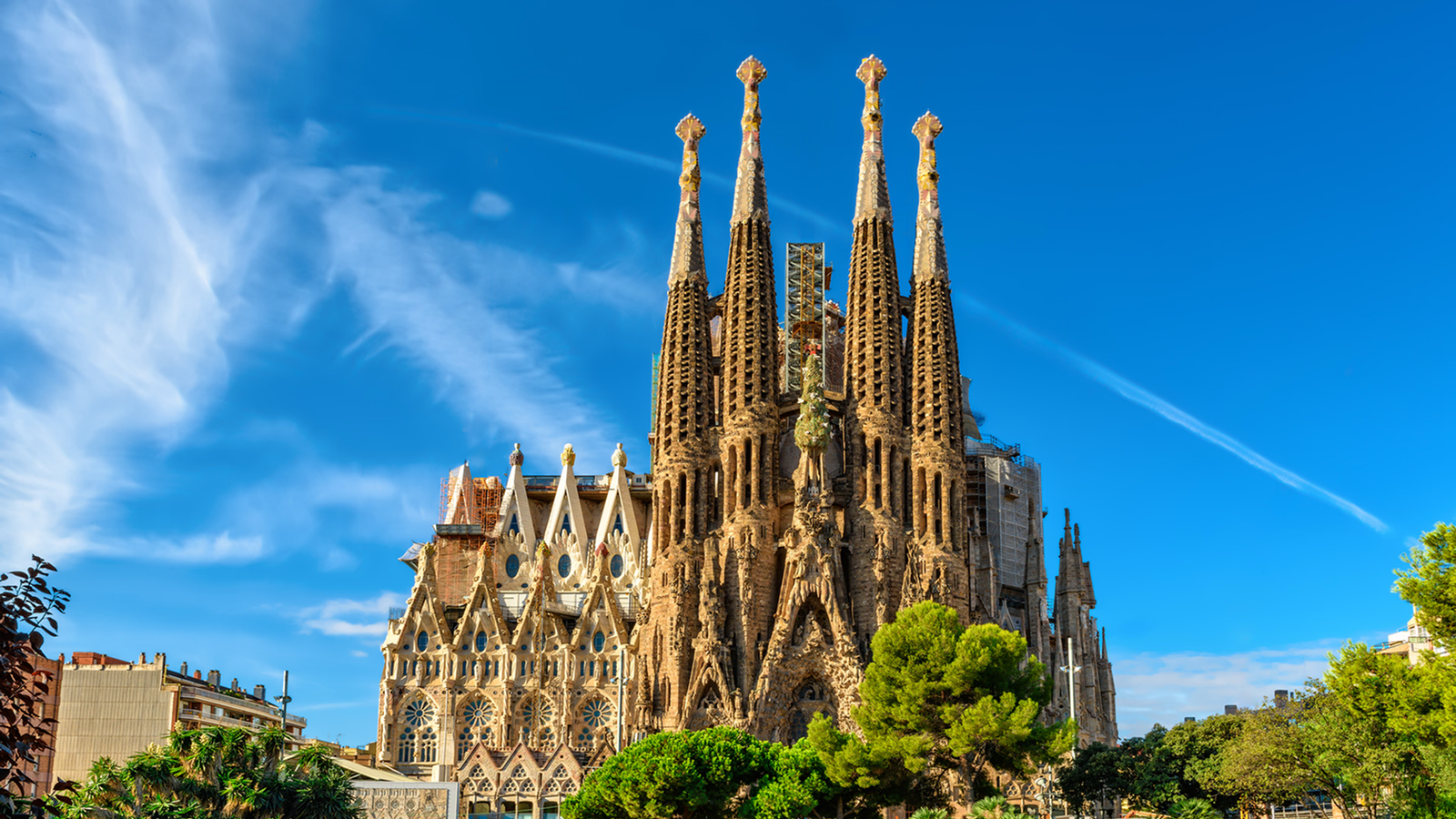
Begin with Sagrada Família, Antoni Gaudí’s extraordinary basilica and one of Spain’s most recognizable landmarks.
Continue to Park Güell, another major Gaudí creation.
Depending on your interests, you can also visit Casa Batlló or Casa Milà along Passeig de Gràcia.
These buildings demonstrate why Barcelona has such a distinctive architectural identity.
Day 9: Montjuïc and the Mediterranean
Spend your ninth day exploring a different side of Barcelona.
Visit Montjuïc, a hill overlooking the city and Mediterranean coastline.
The area includes gardens, cultural attractions, viewpoints, and historic sites.
Later, head toward Barceloneta and enjoy some time beside the Mediterranean.
This is a good day to slow down rather than filling every hour with sightseeing.
For dinner, explore beyond the immediate beachfront and look for a local restaurant serving Catalan cuisine.
Day 10: Barcelona Your Way
Keep your final day flexible.
Depending on what you enjoyed most during the trip, you could:
- Explore Gràcia
- Visit another Gaudí building
- Spend time at the beach
- Shop along Passeig de Gràcia
- Visit a museum
- Explore local food markets
- Return to your favorite neighborhood
Avoid scheduling too many major attractions on your final day, especially if you have an evening flight.
Where to Stay in Spain
For a first trip, staying relatively close to central neighborhoods can make the itinerary easier.
Madrid
Consider areas around:
- Centro
- Sol
- Malasaña
- Chueca
- Retiro
Seville
Look around:
- Santa Cruz
- Centro
- El Arenal
- Triana
Barcelona
Popular areas include:
- Eixample
- Gothic Quarter
- El Born
- Gràcia
- Barceloneta
The best neighborhood depends on whether you prioritize sightseeing, nightlife, food, beaches, or a quieter atmosphere.
How to Travel Around Spain
Spain has an extensive transportation network, and high-speed trains are particularly useful between major cities.
For this itinerary, rail travel can work well for:
Madrid → Seville
For Barcelona, compare rail and flight options based on your schedule.
Within the cities, public transportation combined with walking is usually the easiest way to get around.
One important tip: don’t underestimate walking time. Historic neighborhoods in Madrid, Seville, and Barcelona are often best experienced on foot.
What to Eat in Spain
Food should be part of your itinerary rather than something you fit in between attractions.
Depending on where you travel, look for regional specialties such as:
- Tortilla española
- Jamón ibérico
- Croquetas
- Gazpacho
- Paella
- Patatas bravas
- Churros
- Tapas
- Catalan dishes
- Andalusian specialties
Spain’s cuisine varies considerably from region to region, so try local dishes rather than eating the same things throughout your trip.
Best Time for This Spain Itinerary
Spring and autumn are particularly appealing for a multi-city trip because temperatures can be more comfortable for walking and sightseeing.
Summer can be very hot, especially in southern Spain. Seville and other Andalusian destinations can experience particularly high temperatures.
Winter can offer a quieter experience in many destinations, although weather and daylight hours should be considered when planning outdoor activities.
If your priority is comfortable city exploration, consider traveling during the shoulder seasons.
How Much Time Do You Need in Spain?
Ten days gives you a strong introduction to several major destinations, but Spain is large enough that you could easily spend several weeks exploring it.
If you have more time, consider adding destinations such as:
- Granada
- Córdoba
- Valencia
- Málaga
- San Sebastián
- Bilbao
- Mallorca
- Tenerife
- Santiago de Compostela
For a first trip, however, Madrid + Seville + Barcelona gives you a varied introduction to Spain’s history, architecture, food, culture, and Mediterranean character.
Final Thoughts
A 10-day Spain itinerary should balance sightseeing with time to simply enjoy the destination.
Madrid introduces you to Spain’s capital, museums, parks, and urban culture. Toledo adds a fascinating historic day trip. Seville brings Andalusian architecture, flamenco, and a slower rhythm, while Barcelona finishes the journey with Gaudí architecture, Catalan culture, and the Mediterranean coast.
Rather than trying to see every landmark, leave some room for long lunches, evening walks, neighborhood cafés, and unexpected discoveries.
Spain is best experienced at a pace that leaves room for both the places you planned to visit and the moments you didn’t.