
Croatia is a destination that changes considerably throughout the year. Summer brings warm weather, busy coastal towns and ideal conditions for swimming and island trips, while spring and autumn offer comfortable temperatures for sightseeing and outdoor exploration.
The country combines the Adriatic coastline with historic cities, national parks, islands, vineyards and mountain landscapes. That means the best time to visit Croatia depends largely on what you want to experience.
If your priority is beaches and island hopping, summer is the traditional choice. If you prefer sightseeing and road trips with fewer crowds, spring and autumn can be more comfortable.
Here’s a month-by-month guide to help you plan your Croatia trip.
Croatia in January
January is one of the quietest months in Croatia.
Coastal destinations such as Dubrovnik and Split are much calmer than during summer. Temperatures along the Adriatic are generally milder than inland areas, while Zagreb and northern Croatia can experience much colder winter conditions.
This is not the ideal period for a traditional Croatian beach holiday, but it can work well for travelers interested in cities, local culture and a quieter atmosphere.
Best for: City breaks, museums and avoiding peak-season crowds.
Croatia in February
February remains part of Croatia’s winter season.
Coastal areas are relatively quiet, while inland Croatia can be cold. Some seasonal businesses on the islands and coast may operate on reduced schedules.
Zagreb can be an interesting winter city destination, with cafés, museums and historic neighborhoods to explore.
If your main goal is swimming, sailing or island hopping, however, February is generally not the season to choose.
Best for: Zagreb, cultural travel and quieter city experiences.
Croatia in March
March marks the beginning of the transition toward spring.
Temperatures gradually become more comfortable, particularly along the coast. Tourist numbers remain relatively low compared with the summer months.
It’s a useful period for exploring historic cities such as Dubrovnik, Split and Zadar without the intensity of the peak season.
Nature destinations also begin transitioning into spring, although weather can still be unpredictable.
Best for: Sightseeing, photography and quieter city exploration.
Croatia in April
April brings more noticeable signs of spring.
Days become longer and temperatures generally become more comfortable for walking and sightseeing.
This can be an appealing month for exploring Croatia’s historic towns and national parks.
Plitvice Lakes and other natural attractions can be particularly attractive during spring, when vegetation becomes greener and waterfalls and lakes provide a beautiful backdrop.
The sea can still be too cool for many travelers to comfortably swim.
Best for: National parks, sightseeing, road trips and photography.
Croatia in May
May is one of the more comfortable months for exploring Croatia.
The weather becomes warmer, outdoor activities become more enjoyable and coastal destinations begin to feel increasingly lively.
It’s possible to combine sightseeing with time along the Adriatic, although sea temperatures can vary.
May can also work well for a Croatia road trip because you can explore destinations such as Split, Zadar, Dubrovnik and the national parks without relying entirely on the busiest summer period.
Best for: Road trips, sightseeing, hiking and early-season coastal travel.
Croatia in June
June brings the beginning of the main summer travel season.
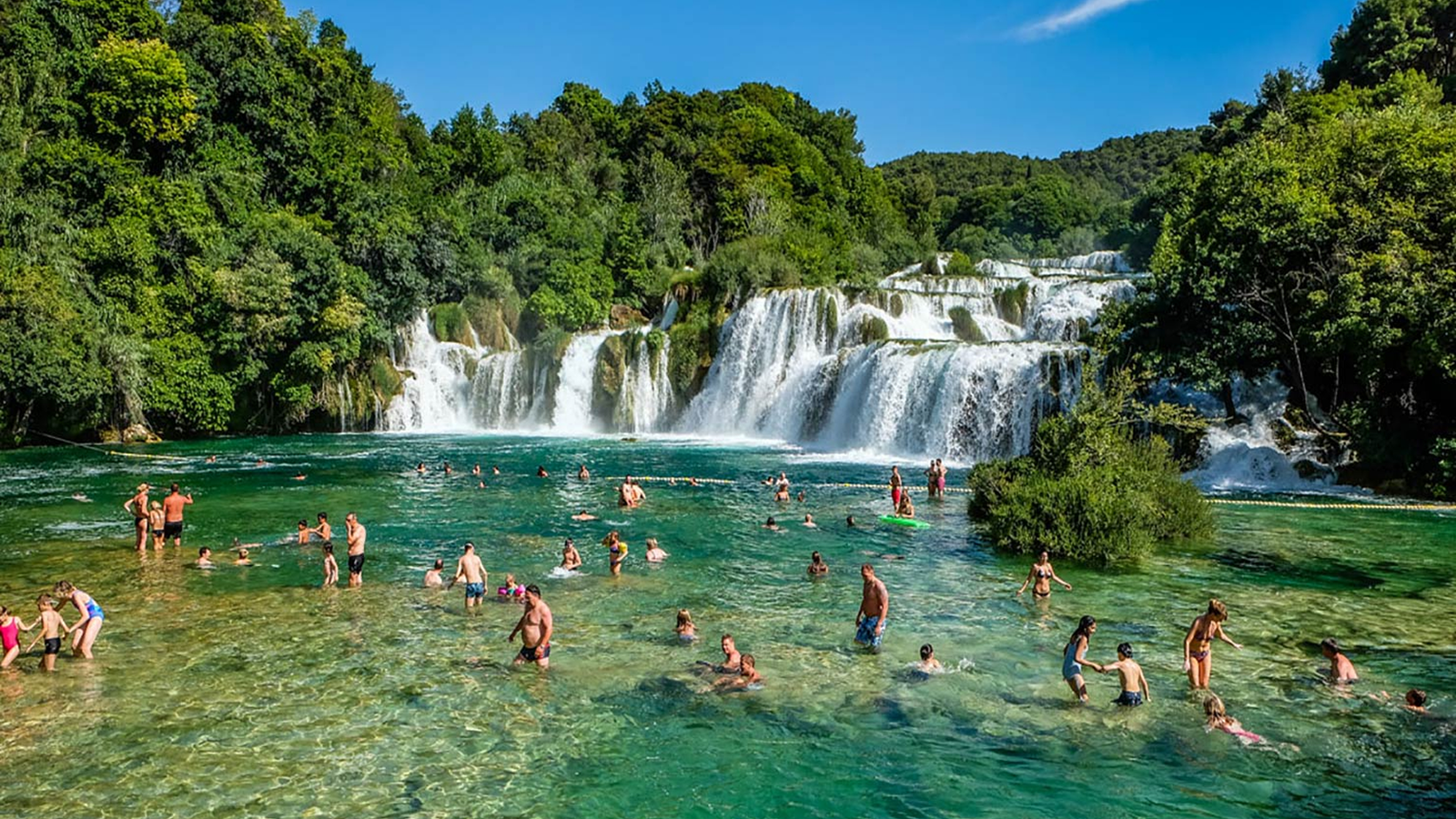
The Adriatic coast becomes increasingly popular, and conditions are generally well suited to swimming, boating and island hopping.
Destinations such as Hvar, Brač and Korčula become much livelier.
June is also a good month for combining beach time with sightseeing because the weather is generally suitable for spending long days outdoors.
Best for: Beaches, islands, sailing and sightseeing.
Croatia in July
July is one of Croatia’s busiest travel months.
The Adriatic coastline is in full summer mode, with warm weather, busy beaches, restaurants and popular island destinations.
It’s a great month for travelers whose main priority is a traditional Mediterranean summer holiday.
However, popular places such as Dubrovnik, Split and Hvar can become crowded.
Accommodation and transportation can also be more expensive than during the shoulder seasons.
Best for: Beaches, swimming, island hopping and summer holidays.
Croatia in August
August continues the peak summer season.
Warm weather makes it popular for swimming, sailing and exploring the islands.
The major coastal destinations can be particularly busy during this period, so booking accommodation and transportation ahead of time is important.
If you’re visiting during August, consider staying slightly outside the busiest historic centers or including less-visited islands and coastal towns in your itinerary.
Best for: Adriatic beaches, sailing and island holidays.
Croatia in September
September is one of the most attractive months for a balanced Croatia trip.
The summer season begins to wind down, but the Adriatic remains suitable for swimming and coastal activities.
The combination of warmer weather and a somewhat calmer atmosphere can make it easier to explore cities, islands and national parks in the same trip.
September also works particularly well for couples and travelers who want a mixture of relaxation and sightseeing.
Best for: Beaches, island hopping, sightseeing and road trips.
Croatia in October
October brings a clear shift toward autumn.
Temperatures become cooler, especially later in the month, but many coastal destinations remain pleasant for sightseeing.
The sea may still be suitable for swimming earlier in the month, depending on conditions.
It’s also an excellent time for exploring Istria and Croatia’s inland regions, particularly if food, wine and countryside landscapes are part of your trip.
Best for: Food and wine travel, road trips, hiking and sightseeing.
Croatia in November
November is a quieter period throughout much of Croatia.
Rain becomes more common and temperatures are lower, particularly inland.
Many seasonal coastal businesses reduce their opening hours, but major cities continue to operate throughout the year.
If you enjoy slower travel, local restaurants, historic attractions and cultural experiences, November can still be rewarding.
Best for: Cultural travel, local experiences and quiet city breaks.
Croatia in December
December brings winter to Croatia.
Zagreb can be particularly atmospheric during the holiday season, while coastal destinations are much quieter than during summer.
The Adriatic coast generally has milder winter conditions than many parts of central Europe, although rain and cool weather are possible.
December is better suited to city experiences and Christmas markets than to beaches and island hopping.
Best for: Zagreb, Christmas markets, winter city breaks and cultural experiences.
Best Months for Beaches in Croatia
If your main goal is swimming and enjoying Croatia’s Adriatic coastline, the warmer months are generally the most suitable.
June
Good balance between warm weather and the beginning of the summer season.
July
Hot summer conditions and excellent opportunities for beach and island activities, but expect busy destinations.
August
Peak summer atmosphere with warm sea temperatures and extensive coastal activity.
September
A useful shoulder-season option for combining swimming with sightseeing.
Best Time for Island Hopping
For island hopping around destinations such as Hvar, Brač, Korčula and Vis, the main season generally runs through the warmer months.
June through September provides the most convenient conditions for spending time on the water.
September can be particularly appealing if you want a combination of warm coastal weather and a somewhat calmer atmosphere.
Best Time to Visit Dubrovnik
Dubrovnik can be visited throughout much of the year, but the experience changes significantly by season.
May to June: Comfortable for walking around the Old Town and exploring the coast.
July to August: Hotter and busier, with peak summer tourism.
September: Warm conditions with opportunities for both sightseeing and coastal activities.
October: Cooler but potentially pleasant for exploring historic attractions.
If sightseeing is your priority, the shoulder seasons can make long walks around the historic city more comfortable.
Best Time to Visit Plitvice Lakes
Spring, summer and autumn all offer different experiences at Plitvice Lakes National Park.
Spring brings fresh greenery and flowing waterfalls.
Summer provides longer daylight hours and warm conditions but can also bring more visitors.
Autumn offers changing foliage and a different atmosphere across the park.
If you’re planning to hike or explore the park extensively, check the latest weather and trail conditions before visiting.
Best Time for a Croatia Road Trip
For a road trip combining Croatia’s cities, coastline and national parks, May, June, September and October can be particularly convenient.
These months allow you to explore places such as:
- Zagreb
- Plitvice Lakes
- Zadar
- Split
- Dubrovnik
- Istria
- Krka National Park
A road trip also gives you greater flexibility to explore smaller towns and scenic coastal routes rather than staying only in major tourist destinations.
Best Time to Visit Croatia for Different Travelers
| Traveler Type | Good Period |
|---|---|
| Beach lovers | June–September |
| Island hopping | June–September |
| Families | June or September |
| Couples | May–June or September |
| Road trips | May–June or September–October |
| Hiking | April–June or September–October |
| National parks | April–June or September–October |
| Food & wine | September–October |
| City sightseeing | April–June or September–October |
| Christmas markets | December |
How Many Days Do You Need in Croatia?
For a first trip, 7–10 days can provide enough time to experience several of Croatia’s major destinations.
A 10-day itinerary could include:
Days 1–2: Zagreb
Day 3: Plitvice Lakes
Day 4: Zadar
Days 5–6: Split
Day 7: Hvar
Days 8–9: Dubrovnik
Day 10: Departure
With more time, consider adding Korčula, Brač, Istria or additional national parks.
Final Thoughts
There isn’t one single best month for every type of Croatia trip.
For beaches, swimming and island hopping, the summer months offer the warmest conditions and the liveliest atmosphere.
For sightseeing, hiking, road trips and national parks, spring and autumn can offer comfortable conditions and a different pace of travel.
If you want a combination of coastal scenery, historic cities, outdoor experiences and relatively comfortable weather, consider planning your Croatia trip around May, June, September or early October.
Whatever season you choose, Croatia offers plenty of opportunities to experience the Adriatic coast, historic towns, beautiful islands and spectacular natural landscapes.