
Spain is one of the easiest European countries to explore by combining historic cities, world-famous architecture, local food, beautiful landscapes, and vibrant neighborhoods.
For a first trip, trying to see the entire country in 10 days would mean spending too much time traveling. A better approach is to focus on Madrid, Seville, Córdoba, and Granada, creating a route through central and southern Spain.
This itinerary combines major landmarks with local food, historic neighborhoods, and enough free time to enjoy each destination without constantly rushing.
Spain at a Glance
Trip length: 10 days
Best for: First-time visitors
Main destinations: Madrid, Seville, Córdoba, Granada
Travel style: History + culture + food + architecture
Recommended transport: High-speed trains and local transportation
Day 1 — Arrive in Madrid
Begin your Spain trip in Madrid, the country’s capital.
After checking into your hotel, keep the first day relatively relaxed.
Start by exploring the historic center around Puerta del Sol and Plaza Mayor.
From there, walk toward the Royal Palace area and explore some of the surrounding streets.
In the evening, find a traditional restaurant or tapas bar and try some Spanish dishes.
Don’t schedule too many attractions on arrival day. Give yourself time to adjust and enjoy your first evening in Spain.
Things to see
- Puerta del Sol
- Plaza Mayor
- Royal Palace area
- Mercado de San Miguel
- Gran Vía
Overnight
Madrid
Day 2 — Explore Madrid
Spend your second day discovering Madrid’s major attractions.
Start at the Prado Museum, one of Europe’s most important art museums.
Afterward, walk through Retiro Park.
The park is a great place to slow down after spending time inside museums.
Continue toward the historic center and explore neighborhoods, plazas, and cafés.
In the evening, experience Madrid’s food culture.
Try several small dishes rather than having one large meal.
Things to see
- Prado Museum
- Retiro Park
- Puerta de Alcalá
- Gran Vía
- Plaza de Cibeles
Overnight
Madrid
Day 3 — Madrid to Seville
Take a high-speed train from Madrid to Seville.
Once you arrive, check into your accommodation and begin exploring the historic center.
Seville has a completely different atmosphere from Madrid.
The city is known for its orange trees, courtyards, historic architecture, flamenco, and lively plazas.
Spend the afternoon walking through the Santa Cruz neighborhood.
Explore the narrow streets, small squares, traditional buildings, and local restaurants.
In the evening, enjoy dinner and consider attending a traditional flamenco performance.
Overnight
Seville
Day 4 — Explore Seville
Spend a full day discovering Seville.
Start with the Real Alcázar of Seville, one of the city’s most impressive historic attractions.
Then visit Seville Cathedral and climb the Giralda for views across the city.
After lunch, walk toward Plaza de España.
The surrounding María Luisa Park is a pleasant place to explore afterward.
End the day along the Guadalquivir River or in the Triana neighborhood.
Things to see
- Real Alcázar
- Seville Cathedral
- Giralda
- Plaza de España
- María Luisa Park
- Triana
Overnight
Seville
Day 5 — Explore More of Seville
Instead of immediately moving to another city, use your fifth day to experience Seville at a slower pace.
Visit Triana, known for its ceramics, traditional streets, and connection to flamenco culture.
You can also explore local markets and small shops.
Spend part of the afternoon relaxing at a café or enjoying a long Spanish lunch.
If you missed a major attraction earlier in the trip, this is a good opportunity to visit it.
Seville is a city where walking without a strict schedule can be just as rewarding as visiting famous landmarks.
Overnight
Seville
Day 6 — Seville to Córdoba
Travel from Seville to Córdoba by train.
Córdoba is one of the most historically fascinating cities in Andalusia.
After checking into your accommodation, explore the old town.
Walk through the Jewish Quarter, with its narrow streets and traditional whitewashed buildings.
Visit the Roman Bridge and explore the streets around the historic center.
In the evening, enjoy a traditional Andalusian dinner.
Things to see
- Jewish Quarter
- Roman Bridge
- Historic center
- Córdoba Synagogue
- Local courtyards
Overnight
Córdoba
Day 7 — Córdoba to Granada
Start your morning with the Mezquita-Catedral, Córdoba’s most famous landmark.
The building reflects centuries of architectural and religious history and is one of the city’s defining attractions.
After exploring the area, collect your luggage and travel to Granada.
Once you arrive, spend the evening exploring the Albaicín neighborhood.
The narrow hillside streets offer views across Granada toward the Alhambra.
Find a viewpoint around sunset and enjoy the changing light over the city.
Overnight
Granada
Day 8 — Explore the Alhambra
Day eight is dedicated to one of Spain’s most famous landmarks: the Alhambra.
The enormous palace and fortress complex sits above Granada and contains courtyards, gardens, historic buildings, and detailed architectural decoration.
Give yourself several hours to explore the complex.
The Nasrid Palaces, Generalife gardens, and surrounding areas all deserve time.
Afterward, return to Granada and spend the evening exploring local restaurants.
Granada is particularly famous for its tapas culture.
Overnight
Granada
Day 9 — Explore Granada
Use your final full day to experience more of Granada.
Return to the Albaicín if you didn’t have enough time on day seven.
You can also explore the Sacromonte area, known for its hillside caves and cultural history.
Spend time walking through Granada’s historic streets and visiting smaller attractions.
If you want a more relaxed afternoon, find a terrace or café and enjoy the views.
Don’t make the final day too busy.
Things to do
- Explore Albaicín
- Visit Sacromonte
- Visit local markets
- Try traditional Andalusian food
- Watch the sunset over Granada
Overnight
Granada
Day 10 — Departure
Your final day depends on your flight schedule.
If you’re flying from Granada, you can enjoy a relaxed morning before heading to the airport.
If your international flight departs from Madrid, allow enough time for the return journey.
Another option is to arrange an open-jaw flight, arriving in Madrid and departing from another nearby airport if it works with your travel plans.
Avoid scheduling a long sightseeing activity on your departure day.
Alternative Spain Itinerary
If you prefer a combination of cities and beaches, you can change the route.
Option 2
Days 1–3: Barcelona
Days 4–5: Valencia
Days 6–8: Madrid
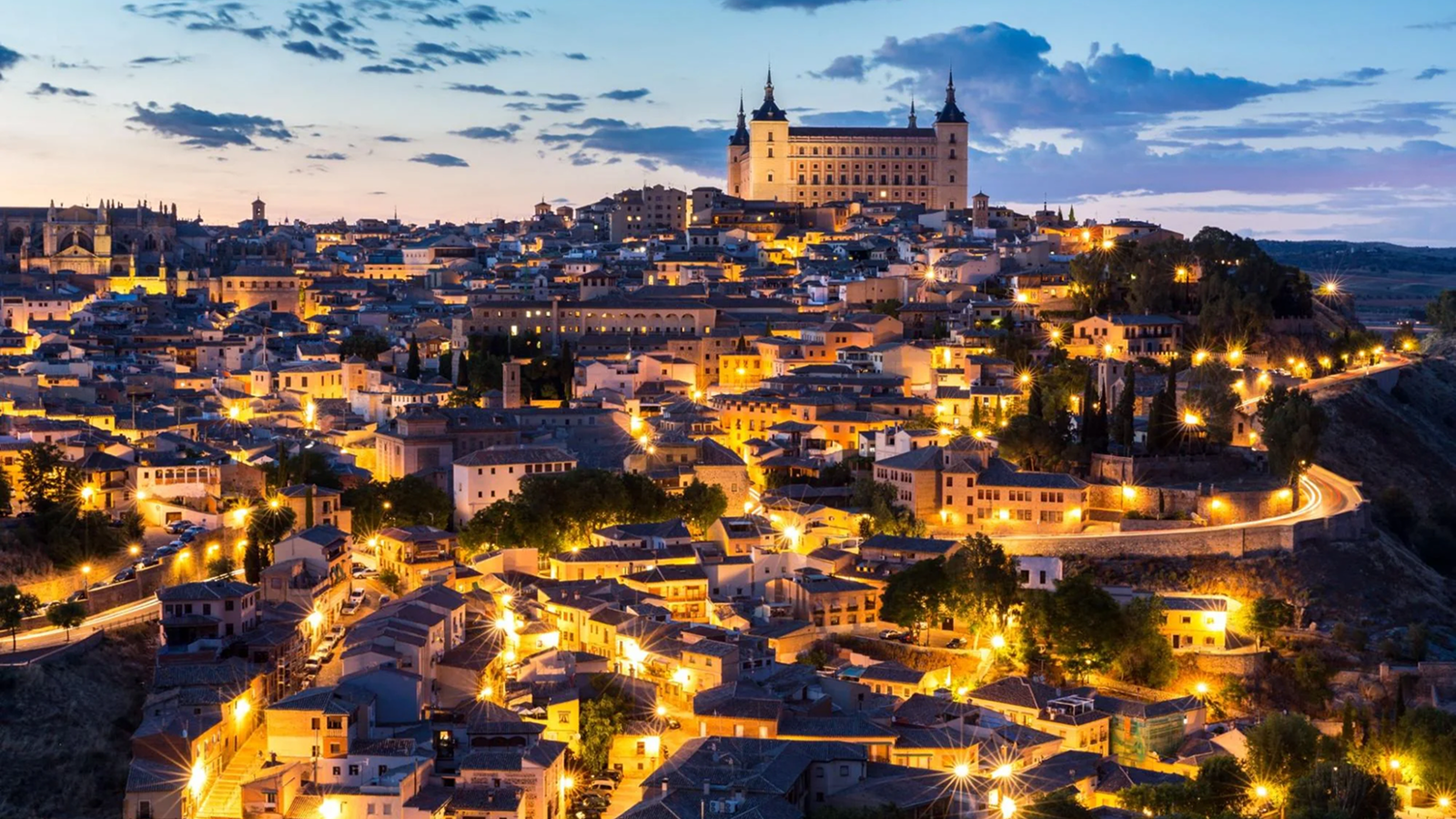
Days 9–10: Toledo
This route provides a different experience, combining Mediterranean architecture, food, major cities, and historic towns.
How to Travel Around Spain
Spain has an extensive high-speed rail network connecting many major cities.
For this itinerary, trains are generally a practical option because Madrid, Seville, Córdoba, and Granada are connected by rail services.
You won’t need a rental car for the main route.
Within cities, walking and public transportation are usually sufficient.
For smaller towns and countryside destinations, renting a car can provide more flexibility.
Where to Stay
Madrid
Stay around:
- Centro
- Sol
- Gran Vía
- Retiro
Choose based on whether you want nightlife, sightseeing, or a quieter atmosphere.
Seville
The historic center, Santa Cruz, and areas around the cathedral are convenient for sightseeing.
Córdoba
Stay near the historic center if you want to explore the old town mostly on foot.
Granada
The city center is convenient for restaurants and transportation, while the Albaicín offers a more historic atmosphere and views toward the Alhambra.
Best Time for This Spain Itinerary
For this particular route, spring and autumn can be particularly comfortable.
March to May
Spring brings pleasant conditions for walking and exploring historic cities.
Seville and Córdoba can be especially attractive during spring.
June to August
Summer can be very hot in Andalusia.
If traveling during this period, plan outdoor sightseeing early in the morning and later in the evening.
September to October
Autumn offers comfortable conditions and is a good time for city sightseeing.
November to February
Winter can be quieter and cooler, making it suitable for travelers who don’t mind shorter days.
Spanish Food to Try
Food should be an important part of your itinerary.
Try regional dishes rather than ordering the same meals everywhere.
Some foods worth looking for include:
- Tortilla española
- Gazpacho
- Jamón
- Croquetas
- Patatas bravas
- Salmorejo
- Churros
- Paella
- Tapas
Andalusia has its own food traditions, so take advantage of being in the region.
Spain Travel Tips
Book major attractions ahead
The Alhambra is particularly important to plan in advance.
Don’t rush between cities
The train network makes travel relatively easy, but every hotel change still takes time.
Start sightseeing early
This is especially important during warmer months.
Wear comfortable shoes
Historic neighborhoods often have cobblestone streets and uneven surfaces.
Leave room for food
Some of the best Spanish experiences happen during long lunches and relaxed evening meals.
Learn a few basic Spanish phrases
Simple phrases such as “Hola,” “Gracias,” and “Por favor” can make everyday interactions easier.
Final Thoughts
This 10-day Spain itinerary is designed to give first-time visitors a balanced introduction to the country.
Madrid provides major museums, parks, food, and city life.
Seville introduces you to Andalusian architecture, flamenco, and historic neighborhoods.
Córdoba adds another layer of Spanish history and architecture.
Granada finishes the trip with the Alhambra, mountain views, and one of Andalusia’s most distinctive atmospheres.
You could easily spend much longer exploring Spain, but ten days gives you enough time to experience several major destinations without turning the entire trip into a race.
The key is to slow down between the major attractions, enjoy local food, and leave some time for simply walking through the streets.