
Rome is one of Europe’s most rewarding cities to explore, but choosing the right neighborhood can make a big difference to your trip. The city combines ancient ruins, historic piazzas, Vatican City, lively food districts and quieter residential streets.
Whether you’re visiting for the first time, traveling with family, looking for nightlife or simply want to stay somewhere with great restaurants, Rome has a neighborhood to suit different travel styles.
Here are some of the best areas to stay in Rome and what each one offers.
1. Centro Storico — Best for First-Time Visitors
Rome’s historic center is one of the most convenient areas for a first visit.
You’ll be within walking distance of attractions such as the Pantheon, Piazza Navona, Trevi Fountain and Campo de’ Fiori.
The narrow streets are filled with cafés, restaurants, historic buildings and small shops, making the area enjoyable even when you aren’t visiting a specific attraction.
Best for: First-time visitors, sightseeing, couples and short trips.
2. Trastevere — Best for Food and Atmosphere
Trastevere sits across the Tiber River and is known for its narrow cobblestone streets, traditional restaurants and lively evening atmosphere.
The neighborhood feels more residential than some parts of the historic center while still being close enough to major attractions.
It’s particularly enjoyable in the evening when restaurants and piazzas become lively.
Best for: Food lovers, couples, nightlife and atmosphere.
3. Monti — Best for a Local Feel
Monti is located close to the Colosseum but has a more relaxed neighborhood atmosphere.
Its streets are lined with independent cafés, restaurants, wine bars and small boutiques.
Because of its location, you can combine a stay here with easy access to some of ancient Rome’s most important landmarks.
Best for: Couples, food, cafés and travelers seeking a neighborhood atmosphere.
4. Colosseum Area — Best for Ancient Rome
Staying near the Colosseum makes sense if ancient Roman history is the main reason for your trip.
The Roman Forum, Palatine Hill and Colosseum are all nearby, allowing you to explore some of Rome’s most famous archaeological sites without spending too much time traveling across the city.
Best for: History lovers, first-time visitors and sightseeing.
5. Prati — Best for the Vatican
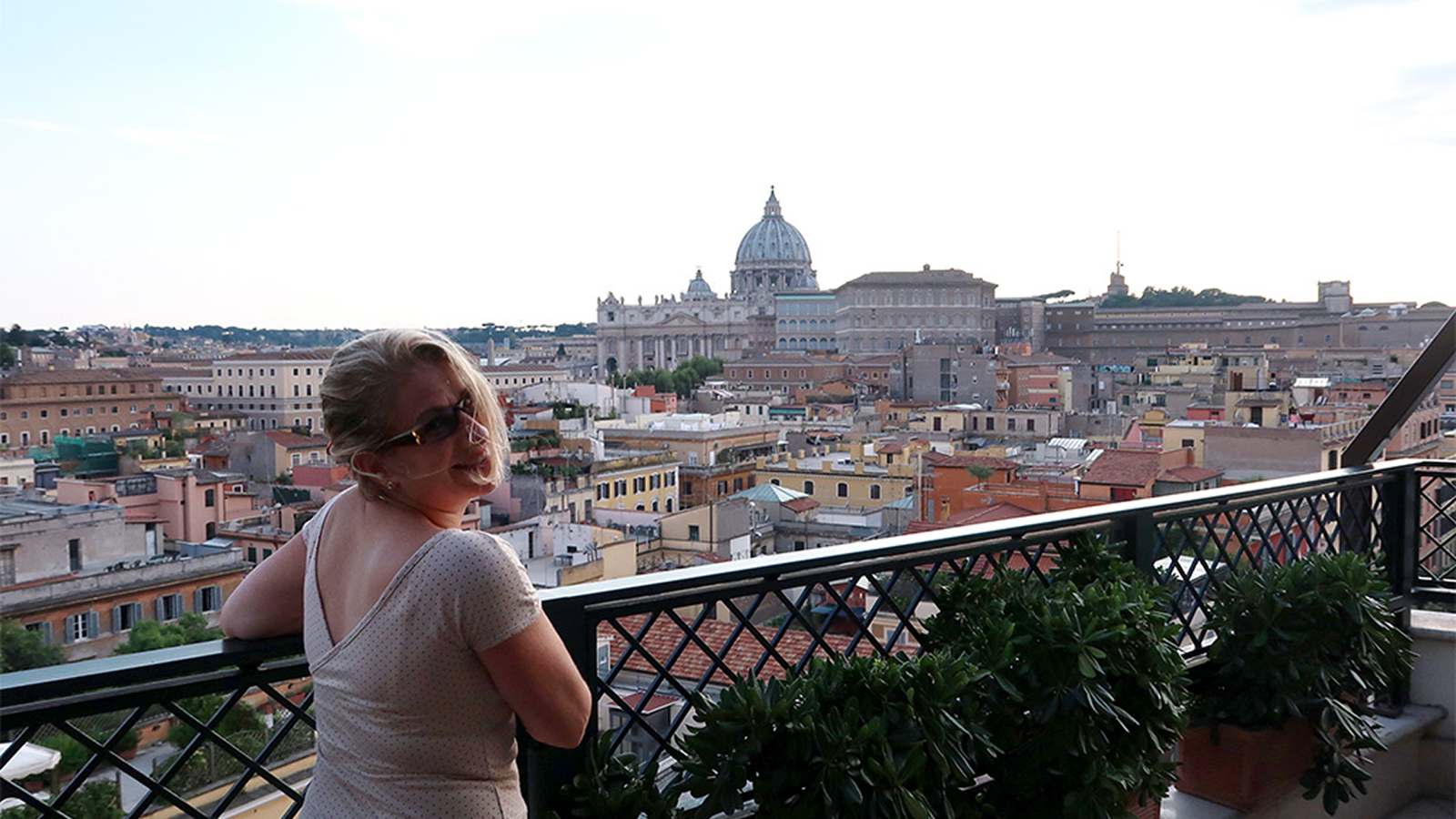
Prati is located north of Vatican City and is a popular choice for travelers planning to spend significant time around St. Peter’s Basilica and the Vatican Museums.
The neighborhood has broad streets, restaurants, cafés and shops, giving it a more orderly and residential feel than some historic districts.
Best for: Vatican visitors, families and quieter stays.
6. Vatican City Area — Best for Religious and Cultural Sightseeing
Staying around the Vatican allows easy access to St. Peter’s Basilica and the Vatican Museums.
The area is particularly convenient if these attractions are high on your itinerary.
Remember that Vatican City itself is a separate sovereign state, while most accommodation options are located in the surrounding Roman neighborhoods.
Best for: Vatican sightseeing, culture and short stays.
7. Piazza Navona — Best for Central Location
The area around Piazza Navona is one of the most picturesque parts of central Rome.
Historic architecture, fountains, restaurants and cafés surround the square, and several major attractions can be reached on foot.
It can be particularly convenient for travelers who want to spend most of their trip walking between landmarks.
Best for: Couples, sightseeing and central locations.
8. Spanish Steps — Best for Luxury and Shopping
The area around the Spanish Steps offers a combination of elegant streets, luxury hotels, designer boutiques and central sightseeing.
Via Condotti and surrounding streets are particularly well known for high-end shopping.
The Trevi Fountain and Villa Borghese are also within relatively easy reach.
Best for: Luxury travel, shopping and couples.
9. Testaccio — Best for Food
Testaccio is a great option for travelers who want to explore Rome through its food.
The neighborhood is known for traditional Roman cuisine, markets and local restaurants. It feels more residential than the historic center and offers an opportunity to experience a less tourist-focused side of the city.
Best for: Food lovers, local experiences and longer stays.
10. Campo de’ Fiori — Best for Nightlife
Campo de’ Fiori is centrally located and particularly lively in the evening.
The surrounding streets contain restaurants, bars and cafés, while nearby attractions include Piazza Navona and the Pantheon.
Because of its central location and evening activity, it can work well for travelers who want to be close to Rome’s nightlife.
Best for: Nightlife, young travelers and central sightseeing.
11. Aventine Hill — Best for a Quiet Stay
Aventine Hill offers a quieter alternative to the busiest parts of central Rome.
The area is known for elegant streets, gardens and panoramic views. It is particularly appealing if you want a peaceful base after spending your days exploring crowded attractions.
Best for: Couples, relaxation and quieter trips.
12. San Giovanni — Best for Value and Families
San Giovanni is farther from the historic center but has good transport connections and a more residential character.
Accommodation can offer better value than some of the most central neighborhoods, while attractions such as the Basilica of San Giovanni in Laterano provide additional reasons to explore the area.
Best for: Families, longer stays and travelers seeking value.
Where Should You Stay in Rome?
| Area | Best For |
|---|---|
| Centro Storico | First-time visitors |
| Trastevere | Food and nightlife |
| Monti | Local atmosphere |
| Colosseum Area | Ancient Rome |
| Prati | Vatican visits |
| Vatican Area | Culture and sightseeing |
| Piazza Navona | Central location |
| Spanish Steps | Luxury and shopping |
| Testaccio | Food lovers |
| Campo de’ Fiori | Nightlife |
| Aventine Hill | Quiet stays |
| San Giovanni | Value and families |
Tips for Choosing a Rome Hotel
Think About Walking Distance
Rome’s historic center is very walkable, so staying centrally can save time and reduce your dependence on public transportation.
Check Transport Connections
If you choose a neighborhood farther from the center, make sure it has convenient access to Metro, buses or other transport.
Consider Your Evening Plans
If you want restaurants and nightlife outside your hotel door, Trastevere, Monti and Campo de’ Fiori can be useful areas to consider.
For a quieter evening, neighborhoods such as Aventine Hill or Prati may suit you better.
Don’t Stay Too Far Out Just to Save Money
A cheaper hotel can become less convenient if you spend significant time commuting to and from the historic center every day.
How Many Days Do You Need in Rome?
For a first visit, 3–4 days is a good starting point.
A three-day trip can cover major attractions such as:
- Colosseum
- Roman Forum
- Pantheon
- Trevi Fountain
- Piazza Navona
- Vatican Museums
- St. Peter’s Basilica
With four or five days, you’ll have more time for neighborhoods, food experiences and less hurried sightseeing.
Final Thoughts
There isn’t one perfect neighborhood for every Rome trip.
Centro Storico and the Colosseum area are convenient for first-time sightseeing, while Trastevere and Monti offer a stronger neighborhood and food experience. Prati works well for travelers focusing on the Vatican, while Testaccio is particularly interesting for food lovers.
Before booking, consider the attractions on your itinerary, your preferred evening atmosphere and how much walking or public transportation you’re comfortable with.
The right neighborhood can turn a busy Rome itinerary into a much more comfortable trip.