
Spain is one of Europe’s most exciting food destinations, with a cuisine shaped by regional traditions, Mediterranean ingredients, historic influences and a strong culture of sharing meals.
From tapas and paella to pintxos, jamón and churros, Spanish food varies significantly from one region to another. A trip through Spain can therefore become a culinary journey as much as a sightseeing adventure.
Whether you’re visiting Madrid, Barcelona, Seville, Valencia, San Sebastián or Andalusia, these are 15 Spanish foods worth trying.
1. Paella
Paella is arguably Spain’s most internationally recognized dish.
The dish originated in the Valencia region and traditionally features rice cooked with ingredients such as vegetables, seafood, chicken or rabbit, depending on the style.
Authentic paella is generally cooked in a wide, shallow pan, allowing the rice to develop its characteristic texture.
If you’re visiting Valencia, trying a traditional local version is an essential food experience.
Where to try it: Valencia and other parts of eastern Spain.
2. Tortilla Española
Tortilla Española, also known as Spanish tortilla, is a simple but iconic Spanish dish.
It is traditionally made with eggs, potatoes and olive oil, with onions often included depending on the recipe.
You’ll find it served as a tapa, snack or part of a larger meal. The contrast between the soft interior and lightly browned exterior makes it a Spanish staple.
Where to try it: Madrid, Barcelona, Seville and throughout Spain.
3. Patatas Bravas
Patatas bravas are one of Spain’s most popular tapas.
Crispy fried potatoes are typically served with a spicy or flavorful sauce, with recipes varying from one restaurant to another.
They’re ideal for sharing and are often ordered alongside several other tapas.
Where to try it: Madrid and tapas bars throughout Spain.
4. Jamón Ibérico
Jamón Ibérico is one of Spain’s most famous cured meats.
It comes from Iberian pigs and is traditionally cured for an extended period, producing a distinctive flavor and texture.
You can find it served thinly sliced on its own, alongside bread or as part of a larger tapas selection.
Where to try it: Andalusia, Madrid and other regions known for traditional cured meats.
5. Gazpacho
Gazpacho is a chilled soup strongly associated with southern Spain.
The traditional preparation uses ingredients such as tomatoes, peppers, cucumber, garlic, olive oil and vinegar.
It is particularly refreshing during hot weather and is closely connected with the culinary traditions of Andalusia.
Where to try it: Seville, Córdoba and throughout Andalusia.
6. Salmorejo
Salmorejo is another cold soup from Andalusia, particularly associated with Córdoba.
It is thicker and creamier than traditional gazpacho and is generally made with tomatoes, bread, olive oil and garlic.
It is commonly topped with ingredients such as chopped egg and cured ham.
Where to try it: Córdoba and Andalusia.
7. Pulpo a la Gallega
Pulpo a la Gallega is a traditional Galician octopus dish.
The octopus is cooked until tender and commonly served with olive oil, paprika and salt, often alongside potatoes.
It is a great example of Galicia’s strong seafood traditions.
Where to try it: Galicia, especially Santiago de Compostela and coastal towns.
8. Gambas al Ajillo
Gambas al ajillo consists of shrimp cooked with garlic and olive oil, often served sizzling in a small dish.
The combination is simple but intensely flavorful, particularly when accompanied by fresh bread to enjoy the garlic-infused oil.
It’s a classic choice in Spanish tapas restaurants.
Where to try it: Madrid, Andalusia and tapas bars throughout Spain.
9. Croquetas
Spanish croquetas are small, crispy fried snacks with a creamy filling.
Common varieties include ham, chicken, cod, mushrooms and other regional ingredients.
They are popular as tapas and can be found in traditional restaurants as well as modern food establishments.
Where to try it: Madrid, Barcelona, San Sebastián and throughout Spain.
10. Pimientos de Padrón
Pimientos de Padrón are small green peppers traditionally associated with Galicia.
They are generally fried in olive oil and finished with salt. Most are mild, although occasionally one can be surprisingly spicy.
They’re a simple but enjoyable dish to order when sharing tapas.
Where to try it: Galicia and Spanish tapas restaurants.
11. Pintxos
Pintxos are closely associated with northern Spain, particularly the Basque Country.
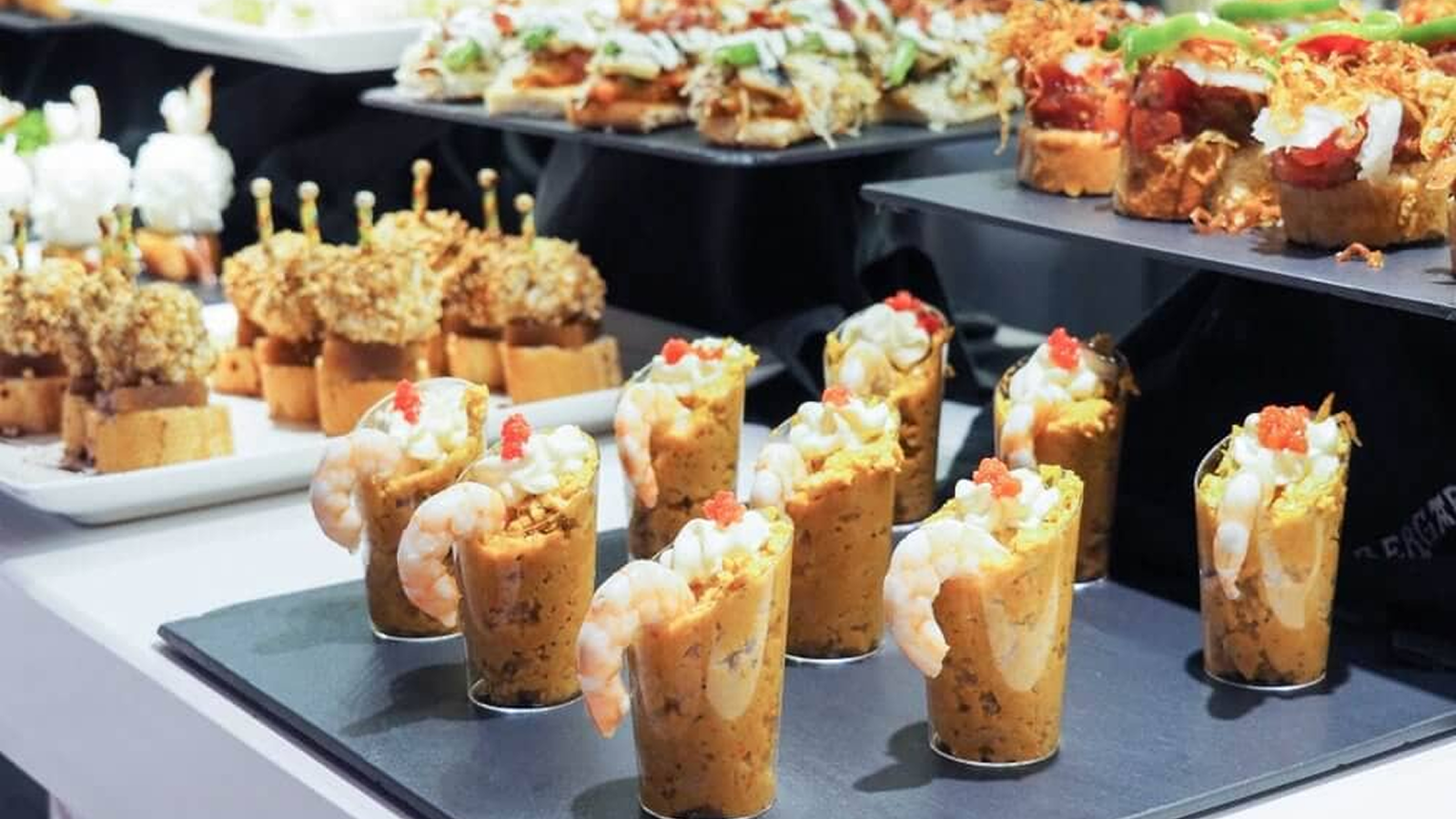
They are small portions of food often served on bread or presented as individual bites. Bars may offer a wide variety of combinations featuring seafood, meat, vegetables and local ingredients.
San Sebastián is particularly famous for its pintxos culture.
Where to try it: San Sebastián, Bilbao and the Basque Country.
12. Fabada Asturiana
Fabada Asturiana is a hearty bean stew from Asturias in northern Spain.
It traditionally contains large white beans along with ingredients such as chorizo, blood sausage and pork.
It is particularly satisfying during cooler weather and represents the rich culinary traditions of northern Spain.
Where to try it: Asturias.
13. Churros con Chocolate
Churros are one of Spain’s most recognizable sweet treats.
The fried dough is often served with thick hot chocolate for dipping. They can be enjoyed for breakfast, as a snack or as a late-night treat.
A visit to a traditional churrería is a simple way to experience this part of Spanish food culture.
Where to try it: Madrid and cities throughout Spain.
14. Crema Catalana
Crema Catalana is a traditional dessert associated with Catalonia.
It consists of a creamy custard topped with a thin layer of caramelized sugar.
The dessert has a delicate texture and is commonly flavored with citrus and spices.
Where to try it: Barcelona and Catalonia.
15. Tarta de Santiago
Tarta de Santiago is a traditional almond cake from Galicia.
The cake is made primarily with ground almonds, sugar and eggs and is traditionally decorated with the distinctive cross of Saint James.
It makes an excellent dessert or afternoon treat while exploring Galicia.
Where to try it: Santiago de Compostela and Galicia.
Best Spanish Food by Region
Spain’s food culture changes significantly from region to region.
Valencia
Look for traditional paella and other rice dishes.
Andalusia
Try gazpacho, salmorejo, tapas and seafood.
Basque Country
Explore pintxos and regional seafood dishes.
Galicia
Look for octopus, seafood and traditional dishes such as Tarta de Santiago.
Catalonia
Try crema catalana, seafood and traditional Catalan cuisine.
Asturias
Look for fabada and other hearty regional dishes.
Madrid
Explore tapas, tortilla Española, croquetas and traditional Spanish restaurants.
Best Cities in Spain for Food Lovers
Madrid
Madrid is an excellent place to experience traditional Spanish food alongside modern restaurants and lively tapas bars.
Barcelona
Barcelona combines Catalan cuisine with food traditions from across Spain and a large international dining scene.
San Sebastián
San Sebastián is particularly famous for its pintxos culture and is one of the most interesting destinations for food-focused travelers.
Valencia
Valencia is the place to explore the roots of paella and other rice-based dishes.
Seville
Seville offers an excellent introduction to Andalusian cuisine, tapas and traditional Spanish dining.
Tips for Eating in Spain
Eat Like a Local
Spanish meals can follow a different rhythm from what many international travelers are used to. Take your time and enjoy the experience rather than rushing between dishes.
Try Tapas
Ordering several small dishes allows you to experience a wider range of Spanish food during one meal.
Explore Local Markets
Markets are excellent places to discover regional ingredients, prepared foods and local specialties.
Eat Regional Food
Instead of looking for the same dishes everywhere, try specialties connected to the region you’re visiting.
Leave Room for Dessert
Spanish food isn’t only about savory dishes. Churros, crema catalana and regional cakes are worth trying.
Final Thoughts
Spanish cuisine is incredibly diverse.
A trip through Valencia, Andalusia, Catalonia, Galicia and the Basque Country can feel like several different culinary journeys within one country.
Try a traditional paella in Valencia, explore pintxos in San Sebastián, enjoy tapas in Seville and finish the day with churros and chocolate.
The best way to experience Spanish food is to stay curious, order a few local specialties and give yourself time to enjoy the meal.