Italy is a year-round destination, but the experience can change dramatically depending on when you visit. Spring brings comfortable sightseeing weather and blooming landscapes, summer offers long days and coastal escapes, autumn is ideal for food and countryside travel, while winter brings festive cities and quieter attractions.
Because Italy stretches from the Alps in the north to Mediterranean islands in the south, weather can vary significantly between regions.
The best time to visit Italy depends on where you’re going and what you want to do.
Italy in January
January is one of Italy’s quieter travel months.
Major cities such as Rome, Florence and Milan remain excellent for museums, architecture and food, while the Italian Alps are in the middle of the winter ski season.
Accommodation and attractions can be less crowded outside the major holiday period, although mountain resorts can be busy.
Best for:
- Museums and culture
- Rome and Florence
- Skiing in the Alps
- Quieter city trips
Weather:
Cold in northern Italy, cooler and generally milder in central and southern regions.
Italy in February
February continues the winter season, but it can be an especially interesting month for cultural travel.
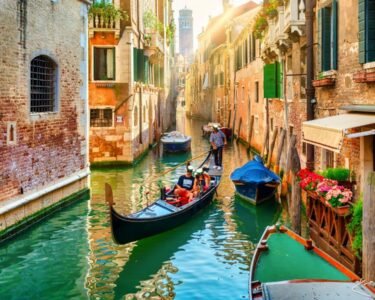
Venice becomes particularly lively during its famous Carnival period, although exact dates vary each year.
The Alps remain popular for winter sports, while cities can be easier to explore compared with the peak summer season.
Best for:
- Venice Carnival
- Skiing
- Museums
- Winter city breaks
Weather:
Cold in the north and generally cool in central and southern Italy.
Italy in March
March marks the transition toward spring.
Days become longer and temperatures gradually rise. Major cities are increasingly pleasant for walking, although weather can still be unpredictable.
It’s a useful month for travelers who want to explore Italy before the main spring and summer crowds arrive.
Best for:
- Rome
- Florence
- Venice
- Cultural sightseeing
- Early spring travel
Weather:
Cool to mild, with regional variation.
Italy in April
April is one of the most popular months for sightseeing in Italy.
Spring flowers begin appearing, outdoor cafés become more inviting and temperatures are generally comfortable for exploring historic cities.
Popular attractions can still become busy around Easter, depending on the year.
Best for:
- Rome
- Florence
- Tuscany
- Walking tours
- Spring photography
Weather:
Mild, although rain showers are possible.
Italy in May
May offers some of the best conditions for exploring much of Italy.
Temperatures are generally comfortable, daylight hours are long and the countryside is vibrant.
The Amalfi Coast, Tuscany and Italian lakes become particularly attractive during this period.
Best for:
- Tuscany
- Amalfi Coast
- Italian lakes
- Road trips
- Food and wine travel
Weather:
Mild to warm.
Italy in June
June marks the beginning of the summer travel season.
Days are long and many coastal destinations become increasingly popular. Cities such as Rome and Florence can be warm, while northern mountain areas remain excellent for outdoor activities.
Best for:
- Coastal holidays
- Sicily
- Sardinia
- Tuscany
- Outdoor activities
Weather:
Warm to hot, depending on the region.
Italy in July
July is one of Italy’s busiest travel months.
Popular cities and coastal destinations can become crowded, particularly around major landmarks and beaches.
However, the long days and warm weather make it a good period for travelers planning a traditional summer holiday.
Best for:
- Beaches
- Islands
- Coastal road trips
- Summer vacations
- Outdoor dining
Weather:
Generally hot, especially in central and southern Italy.
Italy in August
August is peak summer.
Coastal destinations and islands can be extremely popular, while some smaller inland towns may feel quieter as residents take their own summer holidays.
If you’re traveling during August, advance accommodation planning is particularly important.
Best for:
- Beach holidays
- Sardinia
- Sicily
- Amalfi Coast
- Mediterranean travel
Weather:
Hot and generally sunny, with regional differences.
Italy in September
September is one of the most attractive months for traveling through Italy.
Summer heat begins to ease, while many coastal destinations remain enjoyable. The countryside also starts moving toward autumn, making this an excellent period for food and wine travel.
Best for:
- Tuscany
- Wine regions
- Rome
- Florence
- Coastal destinations
- Road trips
Weather:
Warm to mild, gradually becoming cooler.
Italy in October
October brings beautiful autumn scenery to many parts of Italy.
Tuscany, Piedmont and other countryside regions become particularly appealing, while major cities remain comfortable for sightseeing.
It’s also a strong month for travelers interested in seasonal food and wine experiences.
Best for:
- Food and wine
- Tuscany
- Piedmont
- Countryside
- Photography
Weather:
Mild to cool, with increasing rainfall possible.
Italy in November
November is generally quieter than the main tourist seasons.
The weather becomes cooler and wetter, but museums, galleries, churches and restaurants make cities such as Rome and Florence worthwhile.
Travelers interested in food can also enjoy seasonal regional cuisine.
Best for:
- Museums
- Food travel
- Cultural trips
- Quieter city breaks
Weather:
Cool and variable.
Italy in December
December brings a festive atmosphere to Italian cities and towns.
Christmas markets, decorations and seasonal food create a different side of Italy. Northern destinations can also offer winter and mountain experiences.
Rome, Florence and Venice remain attractive for cultural travel, although the Christmas and New Year periods can become busy.
Best for:
- Christmas markets
- Winter city breaks
- Food experiences
- Skiing
- Festive travel
Weather:
Cold in the north and generally cooler in central and southern regions.
Best Time to Visit Italy by Travel Style
For a First Trip
April to June and September to October provide a useful balance of sightseeing weather and seasonal variety.
For Rome, Florence and Venice
Spring and autumn are particularly comfortable for walking-heavy itineraries.
For the Amalfi Coast
Late spring and early autumn can provide a good combination of pleasant weather and coastal travel.
For Tuscany
Spring and autumn are particularly appealing for countryside landscapes, food and wine.
For Skiing
Winter is the main season for Italy’s Alpine and Dolomite ski resorts.
For Beaches
June through September is the main period for Mediterranean coastal travel, with July and August generally being the busiest.
For Food and Wine
Autumn is particularly attractive for travelers interested in regional cuisine, vineyards and seasonal produce.
Italy Weather by Season
| Season | Months | Typical Experience |
|---|---|---|
| Spring | March–May | Mild weather, flowers and sightseeing |
| Summer | June–August | Hot weather, beaches and busy destinations |
| Autumn | September–November | Mild weather, food, wine and countryside |
| Winter | December–February | Cold weather, skiing and festive travel |
Italy’s geography means the north can be considerably cooler than the south, particularly during winter.
Where to Visit in Italy by Season
Spring
Consider Rome, Florence, Tuscany, the Italian Lakes and the Amalfi Coast.
Summer
Focus on the Mediterranean coast, Sardinia, Sicily, the Dolomites and northern lakes.
Autumn
Tuscany, Piedmont, Umbria and other food and wine regions become particularly appealing.
Winter
Consider Rome, Florence, Venice and the Italian Alps.
How Long Should You Spend in Italy?
For a first trip, 7–10 days can provide a good introduction to Italy.
A 10-day itinerary could combine:
- Rome
- Florence
- Tuscany
- Venice
With two weeks or more, you can add destinations such as the Amalfi Coast, Milan, Sicily, Sardinia or the Italian Lakes.
Italy is best experienced at a comfortable pace, so avoid trying to visit too many cities during a short trip.
What to Pack for Italy
Your packing list should depend on the season and regions you’re visiting.
Spring and Autumn
- Lightweight layers
- Comfortable walking shoes
- Light jacket
- Waterproof layer
- Compact umbrella
Summer
- Lightweight clothing
- Comfortable shoes
- Sunglasses
- Sunscreen
- Light evening layer
Winter
- Warm coat
- Sweaters
- Waterproof shoes
- Scarf and gloves
- Additional layers
If you’re visiting churches and religious sites, bring clothing suitable for places that may require shoulders and knees to be covered.
Final Thoughts
There is no single best month to visit Italy.
Spring and autumn are particularly useful for travelers focused on sightseeing, food, wine and comfortable temperatures. Summer is ideal for beaches and Mediterranean destinations, while winter offers skiing, festive experiences and quieter city breaks.
The most important factor is matching the season to your itinerary.
Whether you want to explore ancient Rome, walk through Tuscan vineyards, relax on the Amalfi Coast or ski in the Dolomites, choosing the right time can make your Italian journey much more enjoyable.