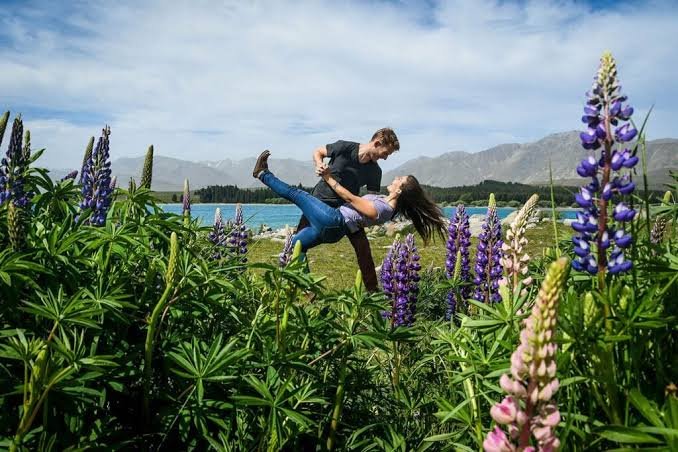
New Zealand is a destination where every season offers something different. From dramatic mountains and turquoise lakes to rugged coastlines, vineyards, forests, and lively cities, the country is ideal for travelers who enjoy both outdoor adventures and scenic road trips.
Because New Zealand lies in the Southern Hemisphere, its seasons are opposite to those in North America and Europe. Summer runs from December to February, autumn from March to May, winter from June to August, and spring from September to November.
The best time to visit New Zealand depends on what you want to experience. Summer is popular for hiking and road trips, winter is ideal for skiing, and the shoulder seasons can offer a quieter travel experience.
New Zealand at a Glance
| Season | Months | Best For |
|---|---|---|
| Summer | December–February | Hiking, beaches, road trips |
| Autumn | March–May | Scenic drives, photography, wine regions |
| Winter | June–August | Skiing, snow, winter landscapes |
| Spring | September–November | Hiking, waterfalls, fewer crowds |
December to February: Summer in New Zealand
Summer is generally the most popular season for exploring New Zealand.
The longer daylight hours make it easier to fit hiking, sightseeing, road trips, and outdoor activities into each day.
The South Island is particularly appealing during this season, with popular destinations including Queenstown, Wanaka, Fiordland, Mount Cook, and the West Coast.
The North Island is also excellent for beaches, geothermal attractions, and outdoor activities.
Best experiences
- Hiking national park trails
- Exploring Milford Sound
- Road-tripping through the South Island
- Visiting beaches
- Exploring Queenstown and Wanaka
- Visiting vineyards
- Exploring Mount Cook National Park
What to expect
Summer is also the busiest travel period. Popular accommodation and activities can book up quickly, especially around Christmas and New Year.
If you’re planning a summer road trip, booking important accommodation ahead of time is sensible.
Best for: First-time visitors, hiking, road trips, families, and outdoor adventures.
March to May: Autumn
Autumn is one of the most beautiful times to explore New Zealand.
Temperatures gradually become cooler, and landscapes can take on warm autumn colors.
The South Island is particularly attractive during this period. Places such as Queenstown, Wanaka, Arrowtown, and Central Otago can be especially scenic.
Autumn can also be a good season for travelers who want to experience New Zealand without the peak summer atmosphere.
Best experiences
- Scenic road trips
- Photography
- Exploring Queenstown
- Visiting Central Otago
- Wine experiences
- Hiking
- Exploring small towns
Why consider autumn?
You can often enjoy a good balance between outdoor conditions and a more relaxed travel atmosphere.
However, weather can become less predictable as winter approaches, particularly in mountainous areas.
Best for: Couples, photographers, road trippers, wine travelers, and travelers seeking a quieter trip.
June to August: Winter
Winter transforms New Zealand’s mountain regions into snowy landscapes.
Queenstown, Wanaka, and other parts of the South Island become popular destinations for skiing and snowboarding.
The South Island generally offers the strongest winter experience, particularly around the Southern Alps.
Even if you don’t ski, winter can be a beautiful time to visit. Snow-covered mountains surrounding lakes create some of the country’s most dramatic scenery.
Best experiences
- Skiing
- Snowboarding
- Winter photography
- Exploring Queenstown
- Visiting alpine towns
- Scenic mountain drives where conditions allow
- Relaxing in lodges and hotels
What to expect
Mountain weather can change quickly during winter.
Road conditions can also become challenging, particularly on alpine routes. If you’re planning a self-drive trip, check local road and weather conditions before setting out.
Best for: Skiers, snowboarders, winter travelers, and mountain lovers.
September to November: Spring
Spring brings longer days, warming temperatures, blooming flowers, and increased water flow in many waterfalls.
It can be an excellent time for travelers interested in landscapes and nature.
The South Island’s mountains can still have snow while lower elevations begin turning green.
Spring also tends to feel less busy than the peak summer season.
Best experiences
- Waterfalls
- Hiking
- Photography
- Wildlife experiences
- Gardens
- Scenic drives
- Exploring cities
What to expect
Weather can be changeable, so packing layers is important.
Higher mountain areas may still have winter conditions early in the season.
Best for: Nature lovers, photographers, hikers, and travelers seeking a quieter trip.
Best Time to Visit New Zealand by Activity
Your ideal travel month depends largely on what you want to do.
For Hiking
December to March generally provides some of the most favorable conditions for many hiking trips.
Popular areas include:
- Fiordland
- Mount Cook
- Tongariro
- Abel Tasman
- West Coast
Always check track conditions before starting a hike, particularly in mountainous areas.
For Skiing
June to August is the main winter period for skiing and snowboarding.
Queenstown and Wanaka are popular bases for accessing ski fields in the Southern Alps.
For Road Trips
December to April can be a particularly appealing period for a New Zealand road trip because of longer daylight hours and generally more favorable conditions.
Autumn road trips can also be beautiful, particularly around Central Otago.
For Beaches
Summer is the natural choice for travelers prioritizing beaches.
The North Island offers many coastal destinations, while the South Island also has beautiful beaches and coastal landscapes.
For Photography
New Zealand can be photographed beautifully throughout the year.
However, autumn colors and winter snow can provide particularly dramatic landscapes.
For Wine Travel
New Zealand’s wine regions can be visited throughout much of the year.
Autumn can be especially interesting for travelers who want to experience vineyards during the harvest period, although exact timing varies by region and year.
Best Time to Visit the North Island
The North Island has a generally milder climate than much of the South Island.
Popular destinations include:
- Auckland
- Rotorua
- Wellington
- Taupō
- Bay of Islands
- Hobbiton
- Tongariro National Park
For outdoor sightseeing, December through March can be particularly convenient.
However, the North Island can be visited throughout the year, especially if your itinerary focuses on cities, geothermal attractions, food, culture, and shorter outdoor activities.
Best Time to Visit the South Island
The South Island is where many travelers go for dramatic mountain landscapes and outdoor adventures.
Popular destinations include:
- Queenstown
- Wanaka
- Christchurch
- Lake Tekapo
- Aoraki / Mount Cook
- Milford Sound
- Franz Josef and Fox Glacier areas
- Abel Tasman
For hiking and scenic road trips, the warmer months are generally more convenient.
For skiing and snow-covered landscapes, winter is the obvious choice.
Is New Zealand Expensive to Visit?
New Zealand can be an expensive destination, particularly during peak travel periods.
Your budget will depend on your accommodation, transportation, activities, and dining choices.
A road trip can offer flexibility, but rental vehicles, fuel, and accommodation can add up quickly.
Travelers looking to control costs can consider:
- Traveling during shoulder seasons
- Booking accommodation in advance
- Using self-catering accommodation
- Combining free outdoor activities with paid experiences
- Comparing transportation options
- Spending longer in fewer destinations
Planning your route carefully can also reduce unnecessary driving.
How Long Should You Spend in New Zealand?
New Zealand is difficult to experience fully in a short trip.
For a first visit, 10 to 14 days can work well if you focus primarily on either the North Island or South Island.
If you want to explore both islands, around 2 to 3 weeks gives you considerably more flexibility.
A longer trip allows you to slow down, take scenic detours, and spend more time in smaller towns and natural areas.
Instead of trying to check off every major attraction, choose a route that matches your interests.
What to Pack for New Zealand
New Zealand’s weather can change quickly, particularly in mountainous and coastal areas.
Regardless of the season, consider packing:
- Lightweight layers
- Waterproof jacket
- Comfortable walking shoes
- Sun protection
- Warm layer
- Small daypack
- Reusable water bottle
- Basic outdoor clothing
For winter travel, add proper cold-weather clothing and footwear suitable for the activities you’re planning.
Final Thoughts
There isn’t one perfect month to visit New Zealand.
Summer is ideal for hiking, road trips, beaches, and outdoor exploration. Autumn offers beautiful landscapes and a quieter atmosphere. Winter is the season for skiing and dramatic snowy scenery, while spring brings waterfalls, flowers, and changing landscapes.
For a first trip focused on exploring the country’s natural beauty, December through March can be a practical choice. But if skiing or winter landscapes are your priority, June through August offers a completely different experience.
The best approach is to choose your travel season based on the experiences you want most—and then build your itinerary around them.