
The United Kingdom can be visited throughout the year, but each season offers a different experience. Spring brings longer days and blooming gardens, summer offers the best opportunity for outdoor sightseeing, autumn adds colorful landscapes, and winter creates a festive atmosphere in cities and historic towns.
Because the UK includes England, Scotland, Wales and Northern Ireland, weather and travel conditions can vary considerably between regions.
The best time to visit depends on whether you’re interested in cities, countryside, hiking, festivals, castles or a classic road trip.
United Kingdom in January
January is one of the quietest periods for tourism in the UK.
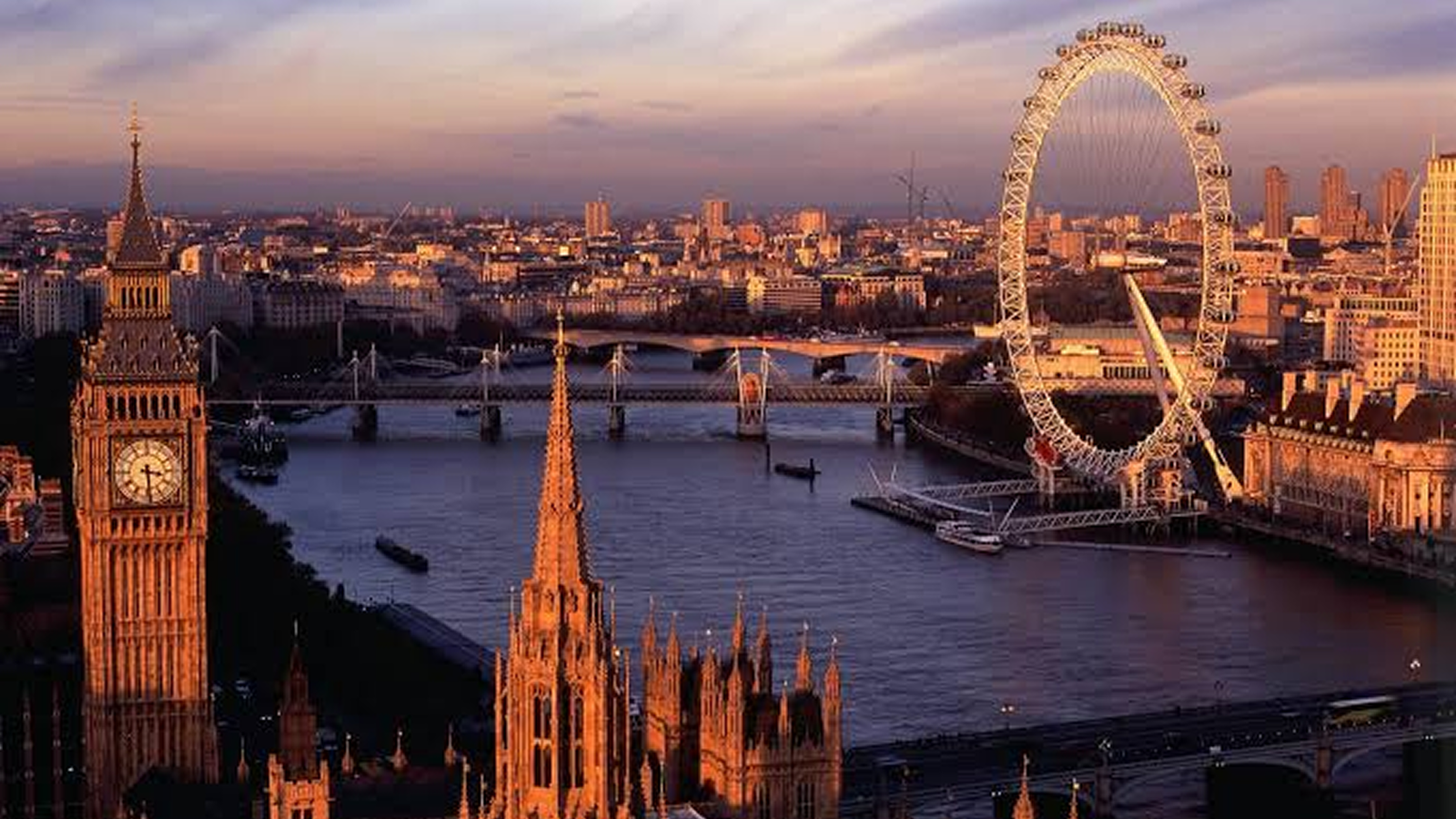
London and other major cities remain active, with museums, galleries, historic attractions and restaurants providing plenty to do indoors. Scotland and northern areas can be particularly cold, while mountain regions may experience snow.
Best for:
- Museums and cultural attractions
- Quiet city breaks
- Winter landscapes
- Lower-season travel
Weather:
Cold, with short daylight hours and a higher chance of rain.
United Kingdom in February
February remains a winter month, but the days gradually begin getting longer.
It’s a good time for travelers who prefer fewer crowds. London, Edinburgh and other major cities can be explored without the intensity of the summer season.
Best for:
- City breaks
- Museums
- Historic attractions
- Winter travel
Weather:
Generally cold and changeable.
United Kingdom in March
March marks the beginning of spring, although temperatures can still be cool.
Parks and gardens begin showing signs of new growth, and daylight hours increase noticeably. It’s also a useful month for exploring cities before the main spring and summer travel periods.
Best for:
- City sightseeing
- Gardens
- Historic sites
- Early spring trips
Weather:
Cool to mild, with possible rain.
United Kingdom in April
April is a popular spring month for exploring the UK.
Gardens and parks become increasingly colorful, while longer daylight hours make sightseeing easier. The countryside also begins looking greener.
Rain remains possible, so travelers should be prepared for changing conditions.
Best for:
- London
- Countryside
- Gardens
- Walking tours
- Historic towns
Weather:
Mild but unpredictable.
United Kingdom in May
May is one of the most appealing months for a UK trip.
Days are longer, temperatures are generally comfortable and outdoor attractions become more enjoyable. This is also a good period for exploring the countryside and taking road trips.
Scotland, Wales and England’s national parks become particularly attractive for hiking and scenic travel.
Best for:
- Road trips
- Hiking
- Countryside
- Gardens
- City sightseeing
Weather:
Generally mild, although rain is still possible.
United Kingdom in June
June brings long daylight hours and the beginning of the summer travel season.
This is an excellent period for exploring Scotland, Wales and England’s countryside because you can spend more time outdoors.
Cities also become lively, with outdoor dining, events and longer evenings.
Best for:
- Hiking
- Road trips
- Scotland
- Wales
- Countryside
- Outdoor sightseeing
Weather:
Mild to warm, depending on location.
United Kingdom in July
July is one of the busiest travel months.
Long days make it possible to fit a lot into a sightseeing itinerary, while coastal destinations and countryside areas become popular.
London and other major cities can be particularly busy, so accommodation and major attractions should be planned ahead.
Best for:
- Family holidays
- Road trips
- Outdoor activities
- Coastal destinations
- Scotland and Wales
Weather:
Generally mild to warm, with changeable conditions.
United Kingdom in August
August continues the peak summer season.
It’s a popular month for visiting the UK, especially for travelers planning school-holiday trips. Scotland, Wales and coastal England can be particularly busy.
Edinburgh is especially lively during its major August festival season.
Best for:
- Festivals
- Family travel
- Scotland
- Coastal holidays
- Road trips
Weather:
Mild to warm, with rain possible.
United Kingdom in September
September is an excellent month for exploring the UK.
Summer crowds begin to decline, while temperatures often remain comfortable. The countryside starts transitioning toward autumn, creating attractive landscapes for road trips and photography.
Best for:
- Road trips
- Countryside
- Hiking
- Historic towns
- Photography
Weather:
Mild, gradually becoming cooler.
United Kingdom in October
October brings classic autumn scenery.
Forests, parks and countryside areas begin displaying autumn colors, while cities remain excellent destinations for museums, restaurants and cultural experiences.
The weather becomes cooler and wetter, but travelers who don’t mind changing conditions can enjoy a quieter atmosphere.
Best for:
- Autumn landscapes
- Photography
- Countryside
- Historic towns
- Food travel
Weather:
Cool and changeable.
United Kingdom in November
November is a quieter travel month.
Days become shorter and temperatures drop, but major cities continue to offer plenty of indoor attractions.
Toward the end of the month, Christmas decorations and seasonal events begin appearing in many cities.
Best for:
- Museums
- City breaks
- Historic attractions
- Early Christmas travel
Weather:
Cool, often wet and windy.
United Kingdom in December
December brings a festive atmosphere to many parts of the UK.
London, Edinburgh, Manchester, Birmingham and other cities host seasonal markets, decorations and holiday events. Historic towns can also be particularly atmospheric during this time.
The Scottish Highlands and other mountainous regions can experience winter conditions.
Best for:
- Christmas markets
- Festive city breaks
- Winter photography
- Skiing and snow experiences
Weather:
Cold, with short daylight hours.
Best Time to Visit the UK by Travel Style
For First-Time Visitors
May, June and September offer a useful balance of comfortable conditions, long days and broad sightseeing opportunities.
For London
Spring and early autumn can be particularly pleasant for combining walking, museums, landmarks and outdoor attractions.
For Scotland
Late spring through early autumn is useful for road trips, hiking and exploring the Highlands.
For Wales
Late spring and summer are good periods for hiking, coastal trips and exploring national parks.
For Countryside and Road Trips
May through September generally provides the longest daylight hours and more opportunities for outdoor sightseeing.
For Christmas Markets
December is the ideal period for travelers interested in festive markets and holiday atmosphere.
For Fewer Crowds
Late autumn, winter and early spring generally have fewer international visitors outside major holiday periods.
UK Weather by Season
| Season | Months | Typical Experience |
|---|---|---|
| Spring | March–May | Blooming gardens, longer days, mild weather |
| Summer | June–August | Long days, outdoor activities, busy destinations |
| Autumn | September–November | Colorful landscapes, cooler weather |
| Winter | December–February | Cold weather, festive events, shorter days |
The UK has a maritime climate, so rain can occur at any time of year. Weather can also change quickly, particularly in mountainous areas.
England vs Scotland vs Wales vs Northern Ireland
The United Kingdom offers considerable geographic variety.
England
Best known for London, historic cities, countryside, coastal destinations and attractions such as the Lake District and Cotswolds.
Scotland
Ideal for dramatic landscapes, castles, whisky regions, islands and the Highlands.
Wales
Known for mountains, castles, national parks and rugged coastline.
Northern Ireland
Offers dramatic coastal scenery, historic sites and landscapes such as the Causeway Coast.
How Long Should You Spend in the UK?
For a first visit focused mainly on England, 7–10 days can provide a good introduction.
If you want to combine England with Scotland or Wales, 10–14 days gives you more flexibility.
For a broader UK trip covering several countries, two to three weeks allows you to spend more time traveling between destinations rather than rushing through them.
What to Pack for the UK
Because weather can change quickly, layers are useful throughout the year.
Spring and Autumn
- Lightweight jacket
- Sweater
- Comfortable walking shoes
- Compact umbrella
- Waterproof outer layer
Summer
- Light clothing
- Comfortable walking shoes
- Light jacket
- Sunglasses
- Waterproof layer
Winter
- Warm coat
- Sweaters
- Waterproof footwear
- Gloves
- Scarf
- Warm layers
If you’re hiking in Scotland or Wales, pack specifically for outdoor conditions rather than relying on a typical city wardrobe.
Final Thoughts
There is no single best month to visit the United Kingdom.
May, June and September can work particularly well for travelers who want a combination of sightseeing and outdoor exploration. July and August offer long days and a lively summer atmosphere, while autumn is excellent for countryside scenery. December offers a completely different experience with festive markets and winter traditions.
The most important thing is to choose the season based on the places you want to visit and the type of trip you want to have.