
Japan is one of the most rewarding countries to explore for first-time travelers. Ancient temples, futuristic cities, traditional neighborhoods, incredible food, peaceful gardens, mountain landscapes, and efficient rail connections make it possible to experience several very different sides of the country in one trip.
With 10 days in Japan, you won’t be able to see everything, but you can build a balanced itinerary covering Tokyo, Kyoto, Osaka, and Mount Fuji.
This route combines major attractions with enough flexibility to enjoy Japan without spending every day rushing between destinations.
Japan at a Glance
Trip length: 10 days
Best for: First-time visitors, couples, families, solo travelers
Main destinations: Tokyo, Mount Fuji, Kyoto, Osaka
Travel style: Cities, culture, food, history, nature
Recommended transportation: Trains and local public transportation
For a first trip, it’s usually better to concentrate on a few destinations rather than trying to cover the entire country.
Day 1: Arrive in Tokyo
Begin your Japan adventure in Tokyo, one of the world’s largest and most fascinating cities.
After checking into your hotel, keep your first day relatively relaxed.
Depending on your arrival time, explore the neighborhood around your accommodation and have your first Japanese meal.
Easy first-day activities
- Explore a local neighborhood
- Try ramen or sushi
- Visit a convenience store
- Walk through a shopping district
- Explore Tokyo at night
Don’t try to visit major attractions immediately after a long international flight.
Your first evening is about adjusting to Japan and getting comfortable with the city’s transportation system.
Day 2: Explore Traditional Tokyo
Start your first full day in Tokyo with one of the city’s most historic areas: Asakusa.
Visit Sensō-ji, one of Tokyo’s most famous temples, and explore the surrounding streets.
Continue toward Ueno
After Asakusa, travel toward Ueno and explore its parks, museums, and markets.
Suggested route
Asakusa → Sensō-ji → Nakamise-dori → Ueno → Ameyoko
Finish your day with dinner at a local restaurant.
Try dishes such as:
- Ramen
- Tempura
- Yakitori
- Sushi
- Donburi
Day 3: Modern Tokyo
Day three is about experiencing Tokyo’s modern side.
Start in Shibuya, one of the city’s most famous districts.
See Shibuya Crossing, explore the surrounding streets, and visit the area’s shops and cafés.
Then continue toward Harajuku.
Explore
- Shibuya Crossing
- Hachikō Statue
- Meiji Jingu
- Harajuku
- Takeshita Street
- Omotesando
In the evening, head toward Shinjuku.
Shinjuku offers an entirely different atmosphere, with skyscrapers, restaurants, entertainment venues, and thousands of illuminated signs.
Day 4: Tokyo Neighborhoods and Hidden Corners
Use your fourth day to explore Tokyo beyond its most famous attractions.
You could visit neighborhoods such as:
Shimokitazawa
Known for independent shops, cafés, music, and vintage stores.
Daikanyama
A quieter neighborhood with stylish cafés, bookstores, and boutiques.
Yanaka
A more traditional area with old streets, small temples, and a slower pace.
Alternatively, spend the day exploring Tokyo’s museums or shopping districts.
The goal is to experience the city beyond the standard tourist route.
Day 5: Tokyo to Mount Fuji Area
Leave Tokyo and travel toward the Mount Fuji region.
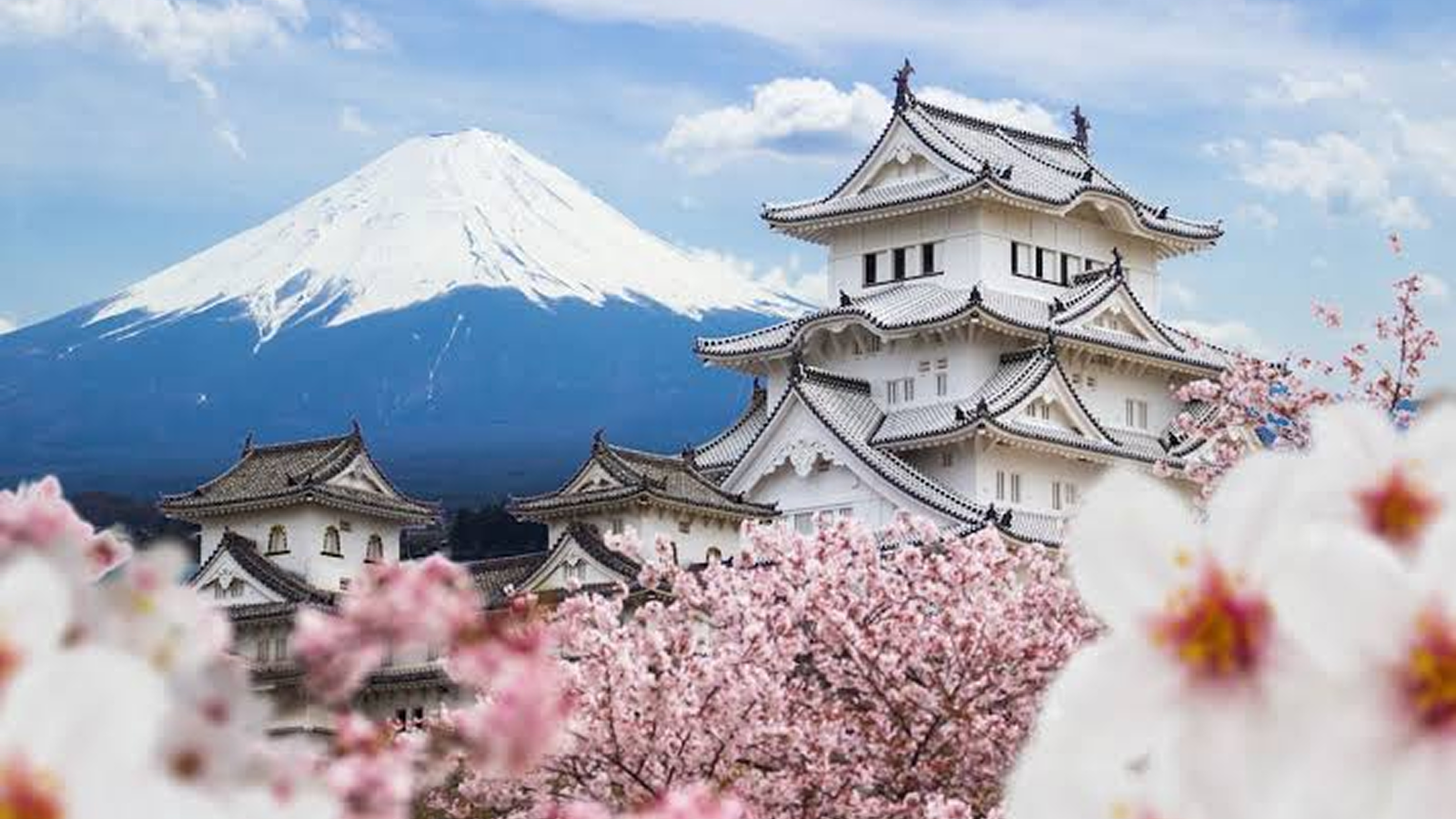
The Fuji Five Lakes area provides some of the best opportunities to see Mount Fuji, although visibility depends heavily on weather.
Lake Kawaguchi is particularly popular because of its views and accessibility.
Things to do
- See Lake Kawaguchi
- Photograph Mount Fuji
- Explore nearby viewpoints
- Visit local shrines
- Relax at an onsen
- Walk around the lake
If the weather is clear, sunset can provide beautiful views of the mountain.
Stay overnight in the Fuji area rather than returning to Tokyo immediately.
Day 6: Mount Fuji to Kyoto
Continue your journey toward Kyoto, Japan’s former imperial capital.
Depending on your route, you can travel through the broader Fuji region before continuing by train.
Once you arrive in Kyoto, explore the area around your hotel.
Kyoto feels dramatically different from Tokyo.
Instead of skyscrapers dominating the skyline, you’ll find traditional wooden houses, temples, gardens, narrow streets, and historic neighborhoods.
Evening idea
Walk through Gion and explore the atmospheric streets around the traditional district.
Day 7: Kyoto’s Temples and Shrines
Start early because Kyoto’s most famous attractions can become busy during the day.
Begin with Fushimi Inari Taisha, famous for its thousands of vermilion torii gates.
Then explore other historic areas of Kyoto.
Suggested route
Fushimi Inari → Kiyomizu-dera → Higashiyama → Gion
The Higashiyama area is particularly enjoyable on foot.
Take time to explore the traditional streets rather than rushing from one attraction to another.
Day 8: Arashiyama and Western Kyoto
Spend day eight exploring Arashiyama.
The area is famous for its bamboo grove, temples, gardens, and mountain scenery.
Things to see
- Arashiyama Bamboo Grove
- Tenryu-ji
- Togetsukyo Bridge
- Arashiyama’s traditional streets
- Nearby temples and gardens
Arrive early if you want a quieter experience at the bamboo grove.
After exploring the main area, spend some time wandering through the surrounding streets.
Day 9: Kyoto to Osaka
Travel to Osaka, one of Japan’s best destinations for food and nightlife.
Osaka has a completely different personality from Kyoto.
The city is energetic, modern, and famous for its food culture.
Explore Dotonbori
Dotonbori is one of Osaka’s most recognizable areas, filled with restaurants, illuminated signs, shops, and entertainment.
Try local specialties such as:
- Takoyaki
- Okonomiyaki
- Kushikatsu
- Udon
- Ramen
Spend the evening exploring the city rather than trying to fit too many attractions into one day.
Day 10: Osaka and Departure
Depending on your departure time, use your final morning to explore more of Osaka.
You could visit:
- Osaka Castle
- Kuromon Market
- Umeda
- Namba
- Shinsekai
If you’re flying internationally, allow plenty of time to reach the airport.
If your return flight is from Tokyo, consider planning your final night in Tokyo instead of Osaka to reduce the risk of transportation problems on departure day.
How to Travel Around Japan
Japan’s railway network makes this itinerary relatively straightforward.
For long-distance journeys, high-speed trains can significantly reduce travel time.
Main transportation pattern
Tokyo → Fuji area → Kyoto → Osaka
Within cities, trains and subways are usually the most practical options.
Use an IC transportation card where available for convenient payment on local public transportation.
Before buying a nationwide rail pass, compare its cost with the individual tickets required for your exact itinerary. A rail pass isn’t automatically the cheapest option for every traveler.
Where to Stay in Japan
Tokyo
Consider Shinjuku, Shibuya, Asakusa, or Ueno depending on your priorities.
Mount Fuji
Lake Kawaguchi is a convenient choice for mountain views and access to local attractions.
Kyoto
Stay around Gion, Kawaramachi, or Kyoto Station depending on whether you prioritize atmosphere or transportation.
Osaka
Namba is particularly convenient for food, nightlife, shopping, and access to transportation.
What to Eat in Japan
Food should be a major part of your itinerary.
Don’t limit yourself to sushi.
Try regional specialties and everyday Japanese food throughout the trip.
Tokyo
- Sushi
- Ramen
- Tempura
- Yakitori
Kyoto
- Kaiseki
- Tofu dishes
- Matcha desserts
- Traditional sweets
Osaka
- Takoyaki
- Okonomiyaki
- Kushikatsu
Japan’s convenience stores are also worth experiencing. They offer a surprisingly wide selection of affordable food and snacks.
Best Time to Visit Japan
Japan can be visited throughout the year, but each season offers a different experience.
Spring
Spring is famous for cherry blossoms and comfortable sightseeing weather, although popular destinations can become extremely busy.
Summer
Summer brings festivals and lush landscapes but can be hot and humid.
Autumn
Autumn is known for colorful foliage and generally comfortable temperatures.
Winter
Winter offers snow, winter sports, hot springs, and fewer crowds in some major cities.
If cherry blossoms or autumn foliage are your priority, plan around the seasonal timing for the specific regions you’re visiting, as dates vary each year.
Japan Travel Tips for First-Time Visitors
Learn a few basic Japanese phrases
Simple phrases such as “arigatou” and “sumimasen” can be useful and appreciated.
Carry some cash
Although card payments are widely accepted, cash remains useful in smaller businesses and some traditional establishments.
Be quiet on public transportation
Japanese trains generally have a calm atmosphere. Keep conversations quiet and avoid loud phone calls.
Don’t block sidewalks or train entrances
Tokyo and other major cities can become extremely crowded. Be mindful of pedestrian flow.
Remove shoes when required
Some traditional restaurants, homes, temples, and accommodation require shoes to be removed.
Don’t rush meals
Japanese dining is part of the travel experience. Give yourself time to enjoy regional dishes.
How Much Does a 10-Day Japan Trip Cost?
Japan can accommodate different travel budgets.
Your total cost will depend on accommodation, transportation, dining choices, activities, and travel season.
To control costs
- Stay near convenient train stations
- Use local restaurants
- Book accommodation early
- Use public transportation
- Mix paid attractions with free sightseeing
- Compare individual train fares before purchasing rail passes
Tokyo and Kyoto can become expensive during busy travel periods, so early planning can help.
Can You See Japan in 10 Days?
You can experience a good introduction to Japan in 10 days, but you won’t see the entire country.
This itinerary focuses on:
Tokyo → Mount Fuji → Kyoto → Osaka
It gives you a combination of modern city life, traditional culture, mountains, temples, food, and Japanese nightlife.
If you have additional time, consider extending the trip to destinations such as Hiroshima, Nara, Kanazawa, Takayama, or the Japanese Alps.
Final Thoughts
Japan rewards travelers who take time to notice the details.
The neon streets of Tokyo, peaceful temples of Kyoto, views of Mount Fuji, and food-filled streets of Osaka all offer completely different experiences.
For a first visit, don’t try to cover every famous destination.
Instead, spend several days in each major area and allow yourself time to wander, eat local food, explore small streets, and experience everyday Japanese life.
A route through Tokyo, Mount Fuji, Kyoto, and Osaka provides a strong introduction to Japan and leaves plenty of reasons to return for another trip.