
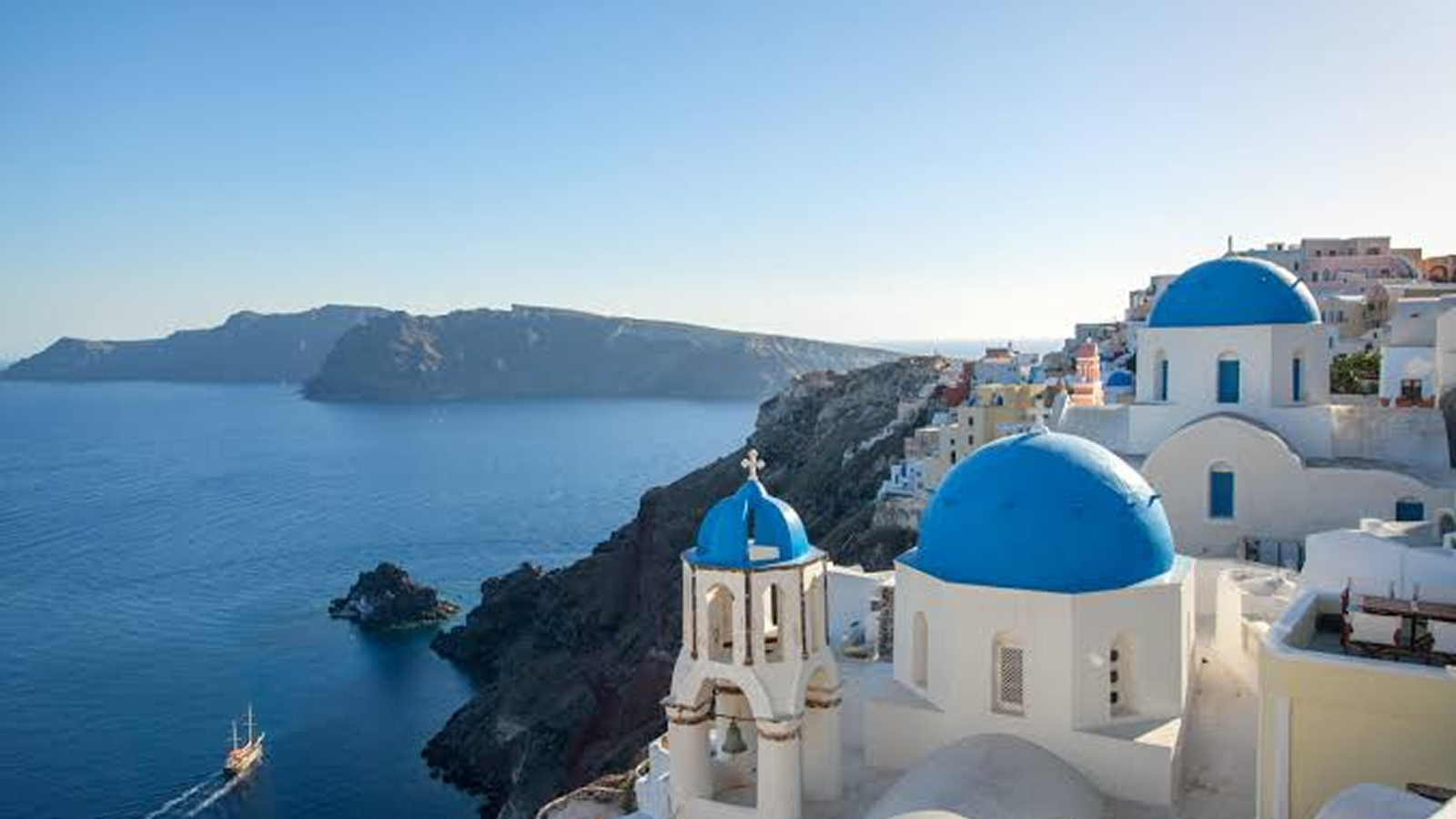
Greece is a destination that works in almost every season, but the experience can be very different depending on when you visit.
Summer brings warm Mediterranean weather, busy islands, and long beach days. Spring brings wildflowers and comfortable sightseeing conditions, while autumn offers warm seas and fewer visitors. Winter is quieter and can be an interesting time to explore Athens and mainland Greece.
Whether you’re planning to explore Athens, Santorini, Mykonos, Crete, Rhodes, or mainland Greece, choosing the right season can make a big difference.
Greece at a Glance
Best overall period: May–June and September–October
Best for beaches: June–September
Best for island hopping: May–October
Best for sightseeing: April–May and September–October
Best for fewer crowds: April–May and October
Best for nightlife: June–August
Best for hiking: April–May and September–October
Main destinations: Athens, Santorini, Mykonos, Crete, Rhodes, Corfu, Meteora
March: Early Spring
March marks the beginning of spring in Greece.
The weather starts becoming milder, although conditions can still be unpredictable, particularly on the islands.
Athens is a good choice during this period because you can explore archaeological sites without the intense summer heat.
Consider visiting:
- Acropolis
- Acropolis Museum
- Plaka
- Ancient Agora
- National Garden
The Greek islands are quieter in March, but many seasonal hotels, restaurants, tours, and beach businesses may not yet be operating at their summer schedule.
April: Comfortable for Sightseeing
April brings increasingly pleasant weather across Greece.
This can be an excellent period for travelers interested in history, architecture, hiking, and city exploration.
Athens is particularly enjoyable, while mainland destinations such as Meteora become attractive for outdoor exploration.
The islands begin preparing for the summer season, although the busiest atmosphere has not yet arrived.
If you’re interested in hiking or sightseeing rather than swimming, April can be a good choice.
May: One of the Best Months to Visit
May is one of the most versatile months for traveling around Greece.
Temperatures are generally comfortable, landscapes are green, and the major tourist season is beginning.
The sea may be suitable for swimming depending on the location and your preference, while the weather is usually comfortable for exploring ancient sites and walking through towns.
May is particularly useful for an itinerary combining:
Athens + Santorini + Naxos + Crete
You can enjoy the islands without the intensity of peak summer.
June: Summer Begins
June brings warmer weather and increasingly busy islands.
This is an excellent month for travelers who want a combination of sightseeing and beach time.
Popular destinations include:
- Santorini
- Mykonos
- Naxos
- Paros
- Crete
- Rhodes
- Corfu
The days are long, making it easier to combine morning sightseeing with afternoon beach time.
For many travelers, June provides a useful balance between summer weather and the busiest part of the season.
July: Peak Summer
July is one of the busiest months in Greece.
The weather is hot and generally dry in many areas, while the islands become particularly popular.
This is a great period for:
- Swimming
- Sailing
- Island hopping
- Beach holidays
- Outdoor dining
- Nightlife
However, popular destinations can become crowded.
If you’re visiting Santorini or Mykonos during July, book accommodation and major activities well in advance.
For sightseeing, try to start early in the morning and avoid the strongest afternoon heat.
August: Hot and Busy
August is peak summer across much of Greece.
It is particularly popular for beach holidays and island travel.
Expect:
- Hot temperatures
- Busy beaches
- Full restaurants
- Active nightlife
- High demand for accommodation
If you enjoy a lively atmosphere, August can be exciting.
If you prefer quiet villages, relaxed sightseeing, and fewer crowds, consider May, June, September, or October instead.
September: One of the Best Months for Greece
September is an excellent time to visit Greece.
The intense summer heat begins to ease, while the sea remains warm enough for swimming in many destinations.
The islands are still lively, but the atmosphere can feel more relaxed than during the peak summer months.
September works particularly well for:
- Island hopping
- Beaches
- Hiking
- Sailing
- Food trips
- Romantic vacations
It is one of the strongest months for combining different types of Greek travel.
October: Warm Autumn Travel
October brings cooler temperatures and fewer visitors.
Early October can still feel quite summery on some islands, while later in the month conditions become more autumn-like.
Athens and mainland Greece are particularly appealing because the weather can be comfortable for exploring historic sites.
Crete and Rhodes can also remain attractive for travelers looking for warmer conditions later in the season.
November: Quieter Greece
November marks a significant transition toward winter.
The weather becomes cooler and wetter, particularly in northern and mainland Greece.
Many seasonal island businesses reduce their hours or close for the winter.
However, Athens remains an interesting destination.
You can spend your time exploring:
- Museums
- Archaeological sites
- Historic neighborhoods
- Restaurants
- Cafés
- Markets
If your priority is culture rather than beaches, November can provide a quieter city experience.
December: Winter in Greece
December is one of the quieter periods for tourism.
Athens offers a mixture of historic attractions, restaurants, shopping, and seasonal events.
Northern Greece can experience colder weather and snow, while the islands are generally much quieter.
If you’re looking for a classic sunny island holiday, December isn’t the ideal period.
But if you want to explore Greece’s cities and cultural attractions without summer crowds, it can be an interesting alternative.
January: Quietest Period
January is one of the coldest months of the year.
The Greek islands are particularly quiet, while Athens continues to operate as a year-round city.
This is a good period for travelers who prioritize:
- Museums
- History
- Archaeology
- Local food
- City exploration
- Lower-season travel
Mountain destinations can also offer winter activities depending on weather and snow conditions.
February: Late Winter
February remains cool but begins moving gradually toward spring.
Athens is still the easiest destination for a winter trip, while northern Greece can offer snowy mountain scenery.
The islands remain quiet compared with summer.
For a first trip focused on beaches and island hopping, wait until later in spring.
When Is the Best Time to Visit Greece?
Your ideal travel period depends on what you want to experience.
| Travel Goal | Suggested Period |
|---|---|
| Best overall weather | May–June, September |
| Island hopping | May–October |
| Beaches | June–September |
| Athens sightseeing | April–May, September–October |
| Hiking | April–May, September–October |
| Fewer crowds | April–May, October |
| Nightlife | June–August |
| Warm sea | July–September |
| Winter culture trip | November–February |
Best Time to Visit Athens
Athens is a year-round destination, but spring and autumn are particularly comfortable.
April, May, September, and October are good choices for walking around the Acropolis, Plaka, Monastiraki, and other historic neighborhoods.
Summer can be very hot, especially during the middle of the day.
If visiting during July or August, start sightseeing early and leave the hottest hours for museums, lunch, or relaxation.
Best Time to Visit Santorini
Santorini is most popular between late spring and early autumn.
May and June offer warm weather without the height of peak summer.
July and August bring the busiest period.
September and early October can offer a particularly appealing combination of warm weather, sea temperatures, and a somewhat more relaxed atmosphere.
Outside the main season, the island becomes much quieter and some tourist businesses may close.
Best Time to Visit Crete
Crete has a longer tourist season than many smaller Greek islands.
Its larger size also means there is more to explore beyond beaches.
You can combine:
- Beaches
- Archaeological sites
- Mountain villages
- Hiking
- Food
- Historic towns
May, June, September, and early October are particularly useful months for exploring the island.
Best Time to Visit Mykonos
Mykonos is particularly popular for beaches, restaurants, nightlife, and luxury travel.
The main summer season runs from late spring into early autumn.
July and August are the busiest months.
If you want warm weather but a slightly less intense atmosphere, consider visiting in June or September.
What to Pack for Greece
Your packing list will depend on the season.
Spring
- Light jacket
- Comfortable walking shoes
- Layers
- Sun protection
Summer
- Lightweight clothing
- Sunglasses
- Sun protection
- Comfortable sandals
- Swimwear
- Light evening layer
Autumn
- Light jacket
- Layers
- Comfortable walking shoes
- Rain protection
Winter
- Warm jacket
- Layers
- Waterproof footwear
- Compact umbrella
For archaeological sites and island villages, comfortable footwear is particularly important.
How Long Should You Spend in Greece?
For a first trip, 10–14 days gives you enough time to combine mainland Greece with several islands.
A possible itinerary could be:
Days 1–3: Athens
Days 4–6: Santorini
Days 7–9: Naxos or Paros
Days 10–12: Crete
Days 13–14: Athens
If you have only one week, avoid trying to visit too many islands.
A simple Athens + one or two islands itinerary will usually be more relaxed.
Final Thoughts
Greece isn’t limited to summer beach holidays.
Spring can be ideal for hiking and sightseeing, summer brings classic island life and long beach days, autumn offers warm seas and fewer crowds, and winter provides a quieter opportunity to explore Athens and mainland Greece.
For a first trip that combines islands, beaches, history, and comfortable weather, May, June, September, and early October are particularly useful periods to consider.
Ultimately, the best time depends on the type of Greece you want to experience.